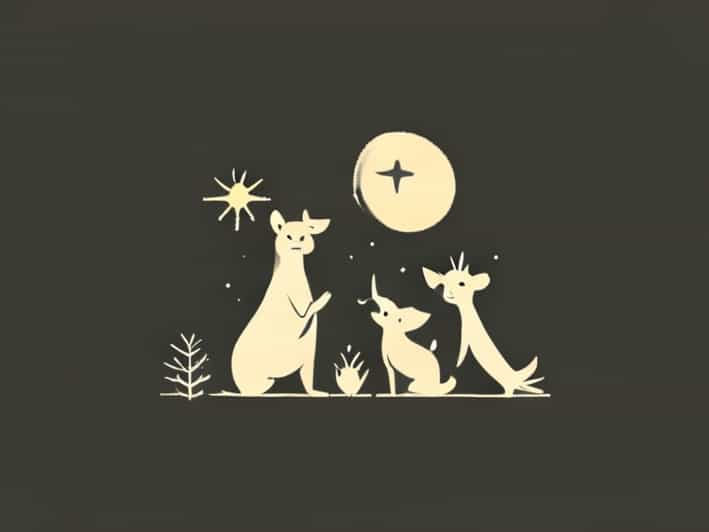
The story of the nativity is one of the most cherished narratives in Christian tradition, celebrated across the world during the Christmas season. While much attention is often given to Mary, Joseph, the baby Jesus, the shepherds, and the wise men, animals play a subtle yet meaningful role in the nativity scene. These animals are more than just background details; they add depth, symbolism, and a sense of realism to the story of Christ’s birth. By examining the types of animals traditionally included, their historical and symbolic significance, and the role they play in nativity displays, we can gain a deeper appreciation for their presence in this iconic scene.
Animals Commonly Found in the Nativity
Animals have been included in nativity depictions since the earliest representations of the scene, often inspired by biblical texts, apocryphal stories, and cultural traditions. Some of the most common animals found in nativity scenes include
- OxOften depicted close to the manger, the ox symbolizes patience, service, and strength. Its presence is thought to represent the people of Israel waiting for the Messiah.
- DonkeyThe donkey is frequently shown carrying Mary to Bethlehem or resting near the stable. It symbolizes humility, service, and the fulfillment of Old Testament prophecy.
- SheepSheep are associated with the shepherds, who were among the first to hear of Jesus’ birth. They represent innocence, purity, and the faithful who follow Christ.
- CamelThough not always present, camels are traditionally linked to the wise men or Magi, reflecting their long journey from the East and the exotic nature of their gifts.
- Other AnimalsIn some cultural depictions, additional animals such as goats, chickens, or even birds are included to convey the natural setting of the stable and to enhance the pastoral atmosphere.
Historical Origins of Animals in Nativity Scenes
The inclusion of animals in nativity scenes has roots in early Christian art and medieval tradition. Early Christians often depicted the nativity with animals to highlight the humility of Christ’s birth, showing that even animals recognized the importance of the event. St. Francis of Assisi, who is credited with creating the first live nativity scene in 1223 in Greccio, Italy, intentionally included animals such as oxen and donkeys to make the scene more relatable and to emphasize the simplicity and humility of Jesus’ arrival. This tradition spread throughout Europe and eventually to other parts of the world, establishing the presence of animals as a standard feature in nativity displays.
Symbolism of Animals in the Nativity
Each animal in the nativity scene carries specific symbolic meanings that enhance the spiritual message of the story
- OxRepresents patience, service, and the sacrificial nature of Christ.
- DonkeyEmbodies humility, endurance, and the fulfillment of prophecy.
- SheepSymbolize innocence, purity, and the faithful followers of God.
- CamelRepresents journey, perseverance, and the broader world acknowledging Christ’s birth.
The presence of these animals reinforces the idea that Jesus’ birth was a universal event, witnessed not only by humans but by all of creation.
The Role of Animals in Nativity Displays
Animals serve multiple purposes in nativity displays, from creating a realistic environment to conveying deeper spiritual meanings. In traditional live nativity scenes, actual animals are often used to engage audiences, especially children, making the story more tangible and memorable. In artistic depictions, animals add visual balance, guide the viewer’s eye toward the central figures of Mary, Joseph, and the infant Jesus, and provide contextual details that reflect the humble and pastoral setting of the stable. Their inclusion helps to transport viewers to the historical and symbolic moment of Christ’s birth.
Live Nativity Scenes
Live nativity scenes, popular during the Christmas season, often feature real animals such as donkeys, sheep, and goats. These animals not only create an immersive experience but also help audiences understand the conditions of the birth and the environment of a stable in Bethlehem. Children are particularly captivated by the presence of live animals, which encourages engagement with the story and fosters a deeper connection to the nativity’s message of humility and simplicity.
Artistic and Cultural Variations
Nativity scenes vary widely across cultures, and the animals included often reflect local traditions and symbolic interpretations. In some European countries, additional farm animals like pigs or geese are added to emphasize rural life. In Latin American depictions, vibrant representations of native animals may be incorporated, blending cultural heritage with the biblical narrative. These variations highlight the adaptability of the nativity story and demonstrate how animals continue to enrich the scene with cultural and spiritual significance.
Educational and Spiritual Importance
Animals in the nativity scene provide both educational and spiritual benefits. For children, seeing animals in the story can help them understand the historical and environmental context of Jesus’ birth. They also provide opportunities to teach values such as humility, service, and compassion for all living beings. Spiritually, the animals symbolize the recognition of Jesus’ significance by all creation, emphasizing themes of inclusivity, reverence, and divine order. This dual role of education and symbolism makes animals an integral part of nativity storytelling and celebrations.
Lessons from Animals in the Nativity
- Humility The donkey and ox remind viewers of the humble circumstances surrounding Jesus’ birth.
- Faithfulness Sheep represent the faithful followers who respond to God’s message.
- Universality Camels and exotic animals symbolize the recognition of Christ by distant peoples and the wider world.
- Connection to Creation Animals show that all of creation, not just humans, participates in God’s plan.
Animals in the nativity play a critical role in bringing the story of Jesus’ birth to life. They contribute realism, symbolic depth, and cultural richness to nativity displays, whether in live presentations or artistic interpretations. From the humble ox and donkey to the faithful sheep and majestic camels, each animal conveys important messages about humility, faith, and the universality of Christ’s arrival. By including animals in nativity scenes, artists, storytellers, and communities remind viewers of the profound simplicity and enduring spiritual significance of this cherished story. The animals not only enhance the visual and emotional impact of the nativity but also invite reflection on the interconnectedness of all creation in witnessing and honoring this pivotal moment in history.