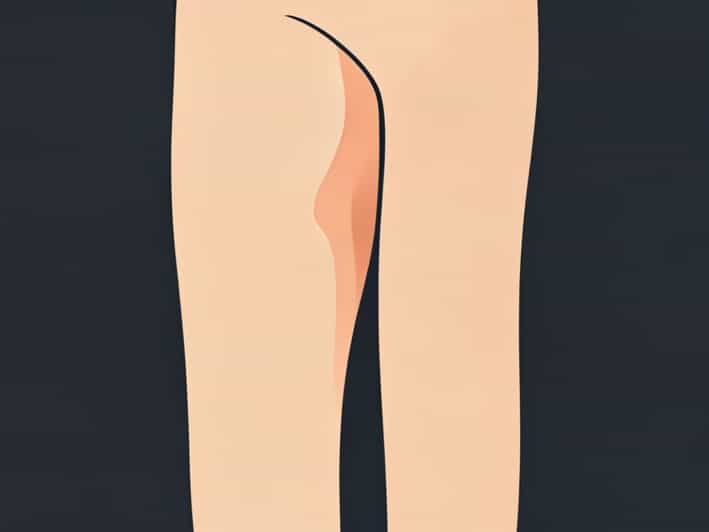
The human thigh is an essential part of the lower limb, responsible for supporting movement, balance, and posture. Among its three major compartments the anterior, medial, and posterior the anterior compartment of the thigh plays a particularly important role in walking, running, and maintaining stability. It contains a group of muscles, nerves, and blood vessels that work together to extend the leg at the knee and assist in hip flexion. Understanding the structure and function of the anterior compartment of the thigh provides valuable insight into how our body performs everyday movements and maintains lower limb strength.
Anatomy of the Anterior Compartment of the Thigh
The anterior compartment of the thigh lies at the front of the upper leg and is bounded by several fascial layers and neighboring compartments. It is separated from the medial compartment by the medial intermuscular septum and from the posterior compartment by the lateral intermuscular septum. The fascia lata, a thick layer of connective tissue, encloses all these compartments, maintaining the structure and efficiency of muscle movement.
This compartment primarily houses muscles that extend the knee and flex the hip. These actions are crucial for activities such as standing up, climbing stairs, or kicking. The compartment is supplied by the femoral nerve and receives blood from the femoral artery, both of which play essential roles in motor control and nourishment of the tissues.
Muscles of the Anterior Compartment
The anterior compartment of the thigh contains several key muscles, most notably the quadriceps femoris group and the sartorius. Each muscle contributes uniquely to lower limb movement and stability.
Quadriceps Femoris Group
The quadriceps femoris is the largest and most powerful muscle group in the anterior thigh. It consists of four individual muscles that share a common tendon inserting into the patella (kneecap). Together, they extend the knee joint and stabilize the patella during motion. The four parts include
- Rectus femorisLocated in the center of the thigh, this muscle originates from the anterior inferior iliac spine and also helps flex the hip joint.
- Vastus lateralisFound on the outer side of the thigh, it contributes to powerful knee extension.
- Vastus medialisPositioned on the inner side of the thigh, it stabilizes the patella and assists in knee extension.
- Vastus intermediusLies deep between the other vastus muscles and aids in smooth knee extension.
Together, the quadriceps play a vital role in walking, running, squatting, and maintaining posture. Weakness or injury to these muscles can significantly affect leg function and mobility.
Sartorius Muscle
The sartorius is the longest muscle in the human body. It runs diagonally across the anterior thigh, from the anterior superior iliac spine to the medial surface of the tibia. Its unique positioning allows it to assist in multiple movements, including hip flexion, abduction, and lateral rotation, as well as knee flexion. The sartorius helps in actions like crossing the legs or bringing the foot toward the opposite knee.
Although slender and less powerful than the quadriceps, the sartorius is important for fine motor control of the leg and contributes to coordinated lower limb movement.
Nerve Supply of the Anterior Compartment
The femoral nerve is the main nerve that supplies the anterior compartment of the thigh. It arises from the lumbar plexus, specifically from the L2, L3, and L4 spinal nerves. After passing beneath the inguinal ligament, it enters the thigh and divides into several branches that innervate the quadriceps, sartorius, and pectineus muscles.
The femoral nerve also gives off sensory branches that provide feeling to the anterior and medial surfaces of the thigh and the medial side of the leg through the saphenous nerve. This nerve network enables both voluntary control of movement and sensory feedback, which are essential for balance and coordination.
Blood Supply and Venous Drainage
The main artery supplying the anterior compartment of the thigh is thefemoral artery. It continues from the external iliac artery and runs down the front of the thigh. The femoral artery gives off several branches, including theprofunda femoris artery(deep artery of the thigh), which provides blood to the quadriceps and surrounding tissues.
Venous drainage mirrors the arterial pattern. Blood from the anterior thigh drains into the femoral vein, which eventually returns deoxygenated blood to the heart. Efficient blood circulation in this area ensures proper muscle performance and quick recovery after exercise or injury.
Functions of the Anterior Compartment
The muscles of the anterior compartment serve two major functions extension of the knee and flexion of the hip. These actions are fundamental for nearly all movements of the lower limb.
- Knee extensionThe quadriceps femoris is responsible for straightening the leg at the knee. This movement occurs when standing up from a seated position, climbing stairs, or kicking.
- Hip flexionThe rectus femoris and sartorius assist in lifting the thigh toward the abdomen, as seen when walking or running.
Additionally, these muscles play an important role in maintaining body posture, stabilizing the knee joint, and absorbing impact during movement. Without proper function of the anterior compartment, even simple actions like standing or walking would become difficult.
Clinical Relevance
Because the anterior compartment of the thigh is heavily used in everyday activities, it is susceptible to various injuries and medical conditions. Understanding these can help in early diagnosis and effective treatment.
Quadriceps Strain or Tear
Overuse, sudden acceleration, or excessive stretching can lead to partial or complete tears in the quadriceps muscles. Symptoms include sharp pain, swelling, and difficulty extending the knee. Athletes, especially runners and football players, are particularly prone to this type of injury.
Femoral Nerve Injury
Damage to the femoral nerve can cause weakness in the quadriceps and loss of sensation in the front of the thigh. Causes include trauma, compression during surgery, or diabetes-related neuropathy. Treatment often involves physical therapy, nerve stimulation, or surgical decompression in severe cases.
Compartment Syndrome
Compartment syndrome is a serious condition that occurs when excessive pressure builds up within the thigh compartments, reducing blood flow and damaging tissues. It can result from fractures, crush injuries, or prolonged compression. Symptoms include intense pain, swelling, and numbness. Emergency surgical intervention (fasciotomy) is often required to relieve the pressure and restore circulation.
Patellar Tracking Disorder
Weakness or imbalance in the quadriceps, especially the vastus medialis, can cause the patella (kneecap) to move out of alignment during knee movement. This condition leads to pain, instability, and increased wear on the cartilage behind the kneecap. Strengthening exercises targeting the quadriceps can help correct this issue.
Exercises to Strengthen the Anterior Compartment
Maintaining strong and flexible anterior thigh muscles is essential for knee health and overall leg stability. Regular exercise can prevent injury and improve performance. Some effective movements include
- Leg extensionsFocused on strengthening the quadriceps by extending the knee against resistance.
- SquatsEngage multiple muscles in the thigh, improving both strength and coordination.
- LungesCombine hip flexion and knee extension, enhancing functional mobility.
- Step-upsSimulate real-life movements like climbing stairs, promoting balance and endurance.
Stretching the quadriceps and hip flexors after exercise helps maintain flexibility and reduces the risk of strains or tightness. Balanced training that includes both strengthening and stretching ensures healthy muscle function and joint stability.
The anterior compartment of the thigh is a complex and vital region of the lower limb that allows humans to perform basic and advanced movements with strength and coordination. Comprising key muscles like the quadriceps femoris and sartorius, and supported by the femoral nerve and artery, it plays a central role in knee extension, hip flexion, and overall leg stability. Understanding its anatomy and functions not only enhances knowledge of human movement but also aids in recognizing and preventing common injuries. By maintaining strength, flexibility, and proper care, the anterior compartment of the thigh supports an active, balanced, and healthy lifestyle for people of all ages.