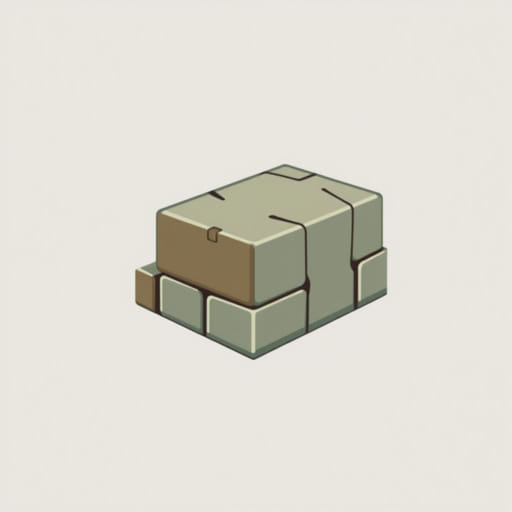
Protecting your world from corruption, crimson, and hallow spread in Terraria is one of the most important tasks if you want to preserve your builds and biomes. Many players underestimate how quickly the world can become overtaken by these evil biomes, especially in Hardmode. To keep everything safe, knowing the best non-corruptible blocks in Terraria is essential. These blocks not only resist biome spread, but also serve as effective barriers to halt the growth of harmful blocks across your world. Choosing the right materials early can save your builds and resources in the long run.
Understanding Corruption and Block Spread Mechanics
What Causes Corruption in Terraria?
Once a world enters Hardmode, after defeating the Wall of Flesh, corruption, crimson, and hallow begin spreading aggressively. These biomes convert adjacent blocks, especially stone, sand, and grass, into corrupted versions. Left unchecked, the corruption can overtake vast sections of your world, killing off unique biomes like jungle or mushroom and making certain resources harder to gather.
How Spread Works
Each evil or hallow block has the potential to convert other blocks within a radius, commonly up to three tiles away. This includes stone, grass, sand, and ice. However, not all blocks are vulnerable. Some blocks in Terraria are entirely immune to corruption spread and are frequently used by experienced players to contain or isolate harmful biomes.
Best Non-Corruptible Blocks in Terraria
1. Clay Block
Clay blocks are widely available and completely immune to all forms of biome spread. Found frequently underground or on the surface, clay is one of the easiest non-corruptible blocks to gather early in the game.
- Location: Commonly found near surface or underground dirt layers
- Best Use: Early-game tunnels and basic barriers
Clay blocks are also useful for crafting bricks, though plain clay works just as well for blocking corruption.
2. Gray Brick and Other Crafted Bricks
Most crafted bricks, such as gray brick, red brick, or mudstone brick, are completely safe from corruption. These blocks are created at a furnace or workbench and require base materials that may include stone or mud.
- Corruption-Proof: Yes, even when made from corruptible materials
- Decorative Value: High, ideal for aesthetically pleasing builds
Gray brick is a particularly popular choice because of its neutral tone and durability. It works well in both defensive and decorative builds.
3. Dungeon Bricks
All blocks originating from the dungeon such as pink, blue, and green dungeon brick are naturally immune to corruption, crimson, and hallow. These bricks are strong, dense, and can be mined only after defeating Skeletron.
- Hardness: High, especially before acquiring a strong pickaxe
- Availability: Limited to dungeon areas
Once you have access to dungeon bricks, they are a fantastic choice for creating permanent corruption barriers or secure structures within affected biomes.
4. Obsidian
Obsidian is formed when water contacts lava and is resistant to all biome spread. It’s one of the most valuable non-corruptible blocks thanks to its natural durability and resistance to explosions and lava damage.
- Use: Fire-resistant builds, biome quarantine walls
- Harvest: Requires a pickaxe with at least 55% power (Gold or better)
While time-consuming to mine in large quantities, obsidian is a great choice for building sealed chambers or fortresses within or near corruption.
5. Ash and Ash Blocks
Ash blocks from the Underworld are completely immune to corruption. While not the most visually appealing material, ash is abundant and easy to mine, making it excellent for bulk use in biome prevention projects.
- Biome: Found extensively in the Underworld
- Tip: Stack ash blocks vertically to form a strong anti-spread wall
Ash can be a bit fragile for above-ground builds but is perfect for underground containment zones or quick defenses.
6. Jungle Temple (Lihzahrd Bricks)
Lihzahrd bricks, found in the Jungle Temple, are incredibly strong and completely impervious to corruption. These blocks require a Picksaw (post-Golem) to mine, so they are only accessible in the late game.
- Best Use: Ultimate endgame quarantine barriers
- Hardness: Extremely durable
Once mined, Lihzahrd bricks can be reused to build unbreakable vaults or borders. Their limited availability is the only downside.
7. Living Wood and Leaf Blocks
These blocks come from Living Trees and are completely resistant to corruption spread. Though not practical in large builds, they are useful in specific environments or roleplay-style construction.
- Style: Unique natural look, blends well with forest biomes
- Obtain: Living Wood Wand or by digging through Living Trees
Use these blocks for decoration or light defense within forested regions.
8. Hive Blocks
Hive blocks, found inside beehives in the Jungle biome, do not spread or receive corruption. They are sticky and somewhat niche in use, but can be valuable for thematic builds or jungle defense.
- Sticky effect: Slows down movement
- Special Use: Creating unique, slippery barrier zones
Though less conventional, hive blocks provide another layer of creative flexibility for protecting or isolating structures.
How to Use Non-Corruptible Blocks for Biome Protection
Creating Barrier Walls
The most effective way to use non-corruptible blocks is by creating 3-tile-thick vertical or horizontal walls between your base and corrupted biomes. These blocks act as a physical buffer that prevents spread.
- Always make the wall at least three blocks wide.
- Extend the wall deep underground to prevent tunneling corruption.
- Use bricks or obsidian for visual appeal and strength.
Isolating Corruption Zones
If corruption already exists near your base, dig a trench and line it with clay, ash, or dungeon bricks. This stops spread even if the infected biome remains nearby. Consider teleporters to access quarantined zones safely without walking through them.
Protecting Key Biomes
Biomes like jungle and glowing mushroom are vulnerable to corruption. Surrounding them with non-corruptible blocks early in the game helps maintain biodiversity and access to rare resources like chlorophyte and glowing mushrooms.
Choosing the best non-corruptible blocks in Terraria is a critical part of world management, especially in Hardmode. Blocks like clay, obsidian, dungeon bricks, and ash provide practical and reliable defense against corruption, crimson, and hallow. By building walls, isolating dangerous zones, and protecting vital biomes, players can enjoy a safer and more balanced Terraria experience. Understanding which blocks resist biome spread allows for more strategic base building and long-term success in preserving your world from evil threats.