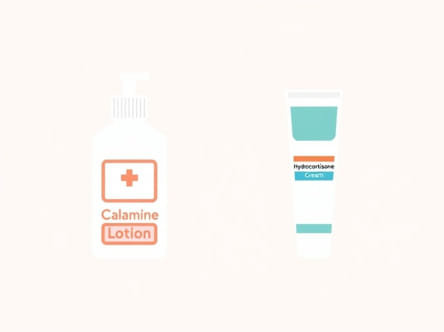
Calamine lotion and nonprescription hydrocortisone cream are widely used over-the-counter remedies for soothing various skin irritations. These topical treatments are particularly popular for managing symptoms caused by insect bites, rashes, poison ivy, sunburn, or minor allergic reactions. Each product works differently to relieve itching, redness, and discomfort, making them valuable tools for home first aid. Understanding the differences between calamine lotion and hydrocortisone cream, their uses, benefits, and precautions can help people choose the most appropriate treatment for their skin condition and improve overall comfort.
What Is Calamine Lotion?
Calamine lotion is a pink, milky topical preparation that has been used for decades to soothe skin irritation. Its active ingredients typically include zinc oxide and ferric oxide, which provide a mild astringent and protective effect on the skin. Calamine lotion works by cooling the skin, reducing itching, and creating a protective barrier that helps prevent further irritation. It is often applied to small, localized areas affected by rashes, insect bites, or minor burns.
Common Uses of Calamine Lotion
Calamine lotion is especially effective for certain types of skin issues. Some of the most common applications include
- Relief from itching caused by poison ivy, poison oak, or poison sumac
- Soothing insect bites and stings
- Reducing discomfort from mild sunburn
- Managing minor skin irritations and allergic reactions
Because it does not contain steroids or strong medications, calamine lotion is generally safe for use on children and adults, making it a first-line option for mild skin irritations.
What Is Nonprescription Hydrocortisone Cream?
Nonprescription hydrocortisone cream is a topical corticosteroid available in low concentrations, usually 0.5% to 1%, that helps reduce inflammation and itching. Hydrocortisone cream works by suppressing the immune response in the affected skin area, which reduces redness, swelling, and irritation. It is commonly used for rashes, eczema, dermatitis, and allergic reactions that are more persistent or severe than what calamine lotion can effectively manage.
Common Uses of Hydrocortisone Cream
Hydrocortisone cream is versatile and can be used in several situations where inflammation and itching are present. Typical uses include
- Reducing inflammation from eczema or dermatitis
- Relieving itching from insect bites or allergic reactions
- Managing rashes caused by contact with irritants
- Soothing minor skin irritations that do not improve with calamine lotion
It is important to use hydrocortisone cream according to directions, applying only a thin layer to affected areas, usually once or twice daily for a limited period, to avoid potential side effects.
Key Differences Between Calamine Lotion and Hydrocortisone Cream
While both calamine lotion and hydrocortisone cream are used to relieve itching and skin irritation, they work in different ways and are suited for different types of conditions. Understanding these differences helps ensure effective treatment
- Mechanism of ActionCalamine lotion acts as a soothing astringent and protective barrier, whereas hydrocortisone cream actively reduces inflammation through steroid action.
- StrengthHydrocortisone cream is stronger and more effective for inflamed or persistent rashes, while calamine lotion is milder and ideal for temporary or minor irritations.
- ApplicationCalamine lotion is often applied with a cotton ball and allowed to dry on the skin, creating a cooling effect. Hydrocortisone cream should be applied in a thin layer and gently rubbed in.
- Age ConsiderationsCalamine lotion is generally safe for all ages, including infants. Hydrocortisone cream should be used cautiously in children, especially under two years of age.
How to Use Calamine Lotion Safely
Proper application of calamine lotion ensures maximum relief and minimizes potential skin reactions. Key steps include
- Clean and dry the affected area before applying the lotion
- Use a cotton ball or clean fingers to apply a thin layer
- Allow the lotion to dry on the skin; avoid washing it off immediately
- Reapply as needed, typically up to several times a day
- Consult a healthcare provider if the rash worsens or does not improve within a few days
How to Use Nonprescription Hydrocortisone Cream Safely
Using hydrocortisone cream correctly helps reduce inflammation while preventing side effects. Guidelines include
- Apply a thin layer directly to the affected skin once or twice daily
- Wash hands before and after application to prevent spreading or accidental ingestion
- Avoid applying the cream to broken skin, eyes, or mucous membranes
- Use the cream only for short-term treatment, usually up to seven days, unless directed by a healthcare provider
- Discontinue use and seek medical advice if irritation occurs or symptoms persist
Potential Side Effects
Calamine lotion is generally safe and rarely causes side effects. Mild skin dryness or temporary irritation may occur, but serious reactions are uncommon. Hydrocortisone cream, being a corticosteroid, carries a slightly higher risk of side effects, especially with prolonged use. These may include
- Thinning of the skin in the treated area
- Discoloration or stretch marks with long-term use
- Burning or stinging sensation on application
- Potential systemic absorption if used over large areas or under occlusive dressings
Using hydrocortisone cream as directed minimizes the risk of these side effects.
When to Seek Medical Advice
Although calamine lotion and hydrocortisone cream are effective for many minor skin irritations, medical attention is necessary in certain cases
- Severe, widespread, or persistent rashes that do not respond to over-the-counter treatments
- Signs of infection, including pus, warmth, swelling, or fever
- Rashes accompanied by systemic symptoms such as difficulty breathing or swelling of the face
- Unknown rashes that appear suddenly or worsen rapidly
Consulting a healthcare provider ensures proper diagnosis and prevents complications.
Combination Use and Practical Tips
In some cases, calamine lotion and hydrocortisone cream may be used sequentially to manage skin irritation. For example, calamine lotion can provide initial cooling relief for mild rashes, while hydrocortisone cream may be applied later if inflammation persists. Practical tips include
- Apply calamine lotion first to dry skin and allow it to settle
- Use hydrocortisone cream sparingly on areas that remain inflamed
- Monitor the skin for improvement and discontinue use if irritation develops
- Maintain skin hydration with fragrance-free moisturizers to support healing
Calamine lotion and nonprescription hydrocortisone cream are valuable options for managing mild to moderate skin irritations. Calamine lotion offers soothing relief for temporary discomfort, insect bites, and rashes, while hydrocortisone cream provides stronger anti-inflammatory effects for more persistent or inflamed skin conditions. Proper application, awareness of potential side effects, and adherence to usage guidelines ensure effective and safe treatment. By understanding the differences and appropriate uses of these products, individuals can make informed decisions for skin care and maintain comfort and healing during minor dermatological issues.