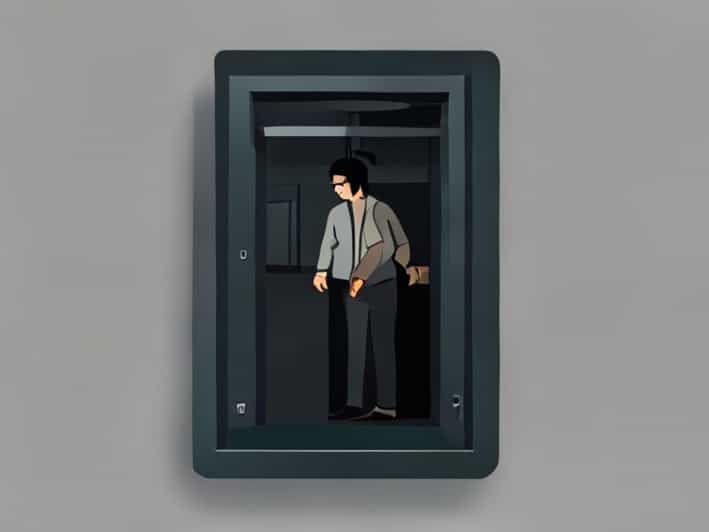
The idea of someone fitting inside a dumbwaiter often sparks curiosity, fueled by movies, TV shows, and urban legends where characters hide, escape, or travel through tiny service lifts. Dumbwaiters are small elevators designed to transport goods such as food, laundry, or small packages between floors in restaurants, hotels, or private homes. While the thought of a person entering a dumbwaiter might seem like a quirky prank or cinematic stunt, the reality involves serious safety risks, practical limitations, and legal considerations. Exploring whether a person can actually fit in a dumbwaiter requires understanding the design, dimensions, and regulations surrounding these devices, as well as the potential consequences of attempting to do so.
What Is a Dumbwaiter?
A dumbwaiter is a compact vertical lift intended for moving objects rather than people. Typically installed in multi-story buildings, these lifts are designed to save time and effort when transporting items such as dishes, laundry, documents, or small supplies. Unlike passenger elevators, dumbwaiters are not equipped with safety features such as emergency brakes, ventilation systems, or sufficient space for human use. Their construction prioritizes durability, speed, and functionality for cargo rather than accommodating a human body.
Typical Dimensions
The size of a standard dumbwaiter varies depending on its purpose and building design. Most residential or small commercial dumbwaiters have interior dimensions ranging from 18 inches to 36 inches in width and depth, with heights of around 24 to 60 inches. Larger industrial models can be slightly bigger, but even then, they are not designed to hold a person safely. The small size makes it theoretically possible for a very small adult or child to squeeze inside, but doing so would be extremely dangerous.
Can a Person Fit Inside?
Technically, a person might be able to fit into certain dumbwaiters, especially the larger models, but this does not mean it is safe or advisable. Attempting to enter a dumbwaiter can lead to serious injury or even death. The confined space can restrict movement, cause claustrophobia, and make it impossible to operate the lift safely. Moreover, most dumbwaiters are not rated for human weight, and overloading the system can lead to mechanical failure, falls, or entrapment.
Practical Limitations
- Space ConstraintsThe narrow width and depth of most dumbwaiters make it extremely uncomfortable and potentially dangerous to fit inside.
- Weight CapacityDumbwaiters are rated for cargo loads, often between 100 and 500 pounds. A person’s weight may exceed this limit, stressing cables or pulleys.
- Lack of Safety FeaturesUnlike passenger elevators, dumbwaiters typically lack emergency stops, ventilation, lighting, and communication systems.
- Restricted MovementSitting or crouching in a small dumbwaiter leaves little room to adjust or protect oneself during operation.
Safety Risks
Entering a dumbwaiter is highly dangerous. Some of the key safety risks include
Mechanical Failure
Dumbwaiters rely on cables, pulleys, and motorized lifts to move cargo. Exceeding the weight capacity can cause cables to snap, the platform to jam, or the lift to fall, resulting in severe injury or death.
Entrapment
A person inside a dumbwaiter can become trapped if the lift stops between floors, power fails, or the door mechanism malfunctions. Rescue in such cases can be difficult and time-consuming.
Physical Injury
Even if a person can squeeze inside, the tight space can cause cuts, bruises, or joint strain. Sudden stops or movements may result in the occupant being crushed against the walls or floor.
Legal and Liability Concerns
Using a dumbwaiter for human transport is illegal in many areas. Building codes and safety regulations explicitly prohibit passenger use, and violations can lead to fines, lawsuits, or criminal liability if an injury occurs. Businesses or homeowners could be held responsible for accidents if someone attempts to enter a dumbwaiter.
Alternatives and Safe Practices
Rather than attempting to fit inside a dumbwaiter, there are safer ways to achieve similar goals or satisfy curiosity
Observation Instead of Entry
Many dumbwaiters can be opened for inspection or observation without entering the lift. Studying the mechanisms and cargo transport process is educational and completely safe.
Simulation and Miniatures
For educational or recreational purposes, model dumbwaiters or virtual simulations can provide insight into how these lifts operate without risking injury.
Using Appropriate Lifts
If transporting people is necessary, it is essential to use lifts specifically designed for human use, such as passenger elevators or chair lifts, which are built to accommodate human weight safely.
Historical Curiosity and Fictional Depictions
Stories of people fitting into dumbwaiters often appear in novels, movies, and cartoons. These scenarios can be thrilling or humorous but should not be mistaken for practical advice. While the concept may spark imagination, real-life attempts are highly discouraged due to the extreme dangers involved. Historical accounts occasionally mention individuals using service lifts creatively, but such cases were rare, risky, and often illegal.
Pop Culture Examples
- Films and TV shows frequently show characters escaping through dumbwaiters in tight spaces, creating suspenseful or comedic effects.
- Cartoons exaggerate dimensions and ignore safety features, making it appear plausible that characters can ride in a dumbwaiter.
- These portrayals reinforce curiosity but should not influence real-world decisions about dumbwaiter use.
While the question of whether a person can fit in a dumbwaiter may seem intriguing, the reality is clear it is both unsafe and illegal. Dumbwaiters are specifically designed for cargo transport, with dimensions, weight capacities, and mechanical features suited only for objects, not humans. Attempting to enter one can lead to serious injury, entrapment, or legal consequences. Instead, curiosity should be satisfied through observation, simulation, or study of proper human-rated lifts. Understanding the limitations, risks, and regulations surrounding dumbwaiters ensures safety while fostering a practical appreciation for these unique devices. In the end, the compact design that makes dumbwaiters efficient for moving goods is exactly what makes them extremely dangerous for anyone attempting to ride inside, reinforcing that some ideas belong to fiction rather than real-life practice.