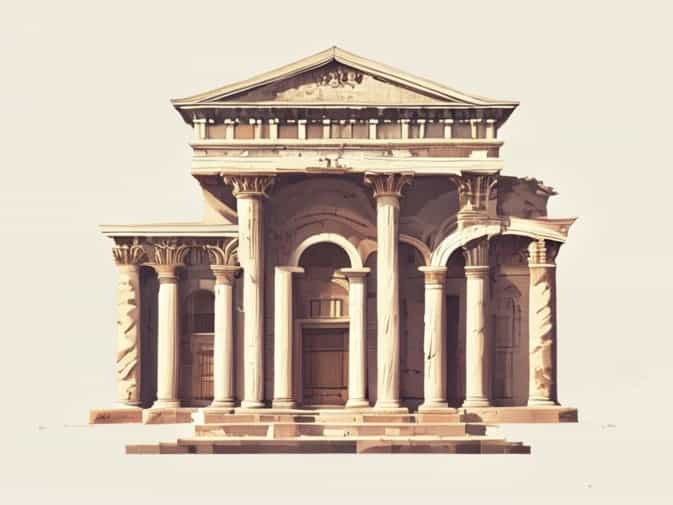
The cellars of Diocletian’s Palace, located in the heart of Split, Croatia, represent one of the most remarkable and well-preserved sections of this ancient Roman complex. Built in the early 4th century CE by the Roman Emperor Diocletian, the palace was originally intended as a luxurious retirement residence for the emperor, blending residential quarters with military and administrative functions. While the palace above ground showcases impressive Roman architecture and imperial grandeur, the subterranean cellars offer a unique glimpse into the engineering, storage, and service areas that supported the emperor’s opulent lifestyle. Exploring these cellars provides visitors with a fascinating perspective on Roman construction techniques, daily life in imperial residences, and the enduring legacy of Diocletian’s rule.
Historical Background of Diocletian’s Palace
Diocletian’s Palace was constructed between 295 and 305 CE during the late Roman Empire, designed to serve both as a retirement villa and a fortified complex. The palace was built using local limestone and marble, combining Roman architectural styles with practical defensive features. The cellars, situated directly beneath the imperial apartments, were integral to the palace’s functionality, storing provisions, housing service areas, and supporting the elaborate infrastructure of the complex. Unlike the grandiose residential halls above, the cellars were more utilitarian, reflecting the daily operations necessary for sustaining imperial life. Over centuries, these underground chambers have remained remarkably well-preserved, allowing modern visitors to step back into the world of ancient Rome.
Architectural Design of the Cellars
The cellars of Diocletian’s Palace span a vast area beneath the central part of the complex, originally designed to support the emperor’s living quarters above. These subterranean chambers are arranged in a network of vaulted corridors and rooms, demonstrating advanced Roman engineering techniques. Barrel vaults, robust stone walls, and well-planned spatial organization ensured structural stability for the upper floors. The symmetry and layout of the cellars mirror the imperial apartments above, suggesting that the Romans meticulously planned both function and aesthetics. The cellars not only stored food, wine, and supplies but also likely accommodated servants and guards who maintained the operations of the palace.
Purpose and Function of the Cellars
The primary purpose of the cellars was functional. They acted as storage spaces for essential goods, including grains, wine, olive oil, and other provisions needed to sustain the imperial household. Some rooms may have been used for mechanical or operational purposes, such as housing water storage systems or providing access to ventilation shafts. The cellars also played a crucial role in maintaining temperature regulation, offering a naturally cool environment to preserve perishable items. By supporting the complex above, these subterranean spaces were integral to both the comfort and security of the emperor and his retinue.
Wine and Food Storage
One of the most intriguing aspects of the cellars is their role in wine and food storage. Archaeological studies suggest that large jars, or amphorae, were placed within specific rooms to store wine and olive oil. The cool, stable conditions of the underground spaces allowed perishable goods to remain usable for extended periods, which was essential for a palace that housed hundreds of people. Modern exhibits often display replicas of these storage vessels, giving visitors a tangible sense of how food and drink were managed during Roman times.
Servant and Service Areas
The cellars likely housed servants and workers who were essential to the daily functioning of the palace. Kitchens, storage rooms, and corridors for moving supplies were all part of this underground network. While the emperor and high-ranking officials enjoyed lavish quarters above, the cellars were a bustling, utilitarian space where logistics and labor maintained the smooth operation of the palace. Understanding this functional aspect provides a fuller picture of life in the Roman Empire, emphasizing that imperial luxury depended on extensive infrastructure and human effort.
Visiting the Cellars Today
Today, the cellars of Diocletian’s Palace are one of Split’s most popular tourist attractions, offering a glimpse into Roman engineering and daily life that contrasts with the grandeur above. Visitors can walk through the vaulted corridors, explore individual rooms, and admire the structural ingenuity of ancient builders. The atmosphere in the cellars, dimly lit and echoing with history, provides a sense of stepping back in time. Guided tours often highlight both architectural details and historical anecdotes, enhancing the visitor experience.
Highlights for Tourists
- Walk through the expansive vaulted corridors and explore the network of rooms beneath the palace.
- Observe the stonework and architectural techniques that have preserved the cellars for centuries.
- Learn about Roman life, including food storage, wine preservation, and servant operations.
- Participate in guided tours that explain the historical and cultural significance of the cellars.
- Enjoy photography opportunities in a unique subterranean environment.
Connection to Modern Split
The cellars of Diocletian’s Palace are not only a historical site but also a foundational element of Split’s modern urban fabric. Over centuries, the palace transformed into a living city, with residents inhabiting various parts of the complex. The underground cellars have been repurposed for shops, exhibitions, and cultural events, blending ancient architecture with contemporary use. This living history allows visitors to see how Roman engineering continues to influence the city while providing a tangible link to the past.
Events and Exhibitions
Many of the cellars are used today for temporary exhibitions, art installations, and cultural events. These activities highlight the adaptability of the space and encourage engagement with history in a dynamic way. Visitors can experience ancient architecture while participating in modern cultural expressions, creating a bridge between past and present. The cellars’ atmosphere adds a dramatic backdrop to concerts, performances, and exhibitions, making each visit a unique experience.
Archaeological and Historical Significance
From an archaeological perspective, the cellars are invaluable. They provide insights into Roman construction methods, storage practices, and daily life in imperial palaces. Excavations and studies of the site have revealed original stonework, structural reinforcements, and traces of Roman domestic activity. Historians and archaeologists use these findings to reconstruct life in the 4th century, helping the public and scholars alike understand the complexities of Roman imperial architecture and logistics.
Educational Opportunities
- Study Roman engineering techniques such as barrel vaults and load-bearing walls.
- Learn about historical food storage and preservation methods in ancient palaces.
- Explore the role of subterranean spaces in supporting above-ground luxury and defense.
- Engage with exhibits and guided tours that contextualize the cellars within broader Roman history.
The cellars of Diocletian’s Palace are a remarkable testament to Roman ingenuity, offering a rare glimpse into the functional backbone of one of history’s most impressive imperial residences. From their role in food and wine storage to housing servants and operational areas, the cellars reveal a practical, essential side of palace life that complements the opulence above. Today, they serve as both a historical treasure and a cultural venue, attracting tourists, historians, and locals alike. Exploring these underground chambers provides not only a visual and educational experience but also a connection to the enduring legacy of the Roman Empire and the city of Split.
Visiting the cellars of Diocletian’s Palace allows travelers to immerse themselves in the engineering brilliance, logistical sophistication, and daily realities of Roman imperial life. Combined with the grandeur of the palace above and the modern vibrancy of Split, the cellars offer a multidimensional experience that is both enlightening and memorable. For anyone interested in history, architecture, or culture, these underground spaces are an essential stop when exploring the heart of this historic city.