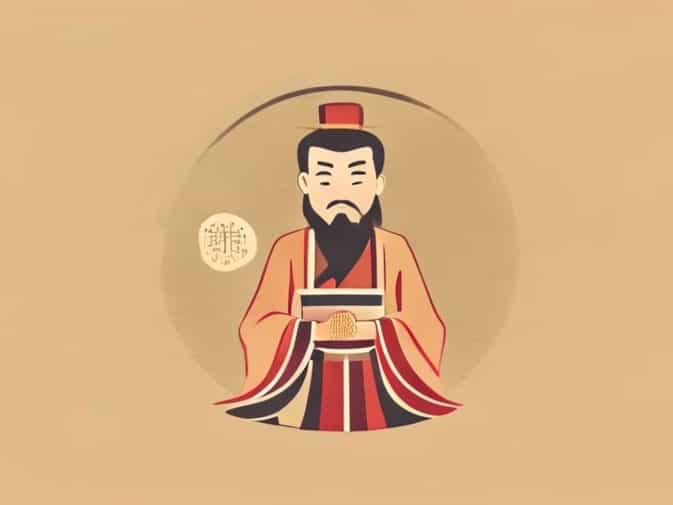
The Ching Ming Festival, also known as Tomb-Sweeping Day, is one of the most significant traditional events in Chinese culture, deeply rooted in Confucian values. Celebrated each year in early April, this festival emphasizes respect for ancestors, filial piety, and reflection on family heritage. It is a time when families gather to clean and maintain ancestral graves, offer food, burn incense, and perform rituals that honor the deceased. Beyond its ceremonial practices, the Ching Ming Festival embodies the Confucian principles of loyalty, filial duty, and moral responsibility, making it not only a cultural observance but also a moral and spiritual practice passed down through generations.
Historical Background of the Ching Ming Festival
The Ching Ming Festival dates back over 2,500 years and is traditionally associated with the Cold Food Festival. According to legend, the festival originated as a commemoration of Jie Zitui, a loyal servant of Duke Wen of Jin during the Spring and Autumn period. When Jie refused to accept rewards and ultimately perished in a fire, the duke instituted the Cold Food Festival in his honor. Over time, the festival merged with Ching Ming, focusing on the practice of tomb sweeping and ancestor worship. The date is typically fixed on April 4th or 5th each year, corresponding to the solar calendar, and marks the beginning of warmer weather and the renewal of spring, which symbolizes life and continuity.
Confucian Philosophy and Filial Piety
Core Confucian Values in the Festival
Confucianism places great emphasis on filial piety (xiao), respect for elders, and moral conduct. The Ching Ming Festival serves as a practical expression of these values, allowing descendants to demonstrate their respect and gratitude toward ancestors. By maintaining ancestral graves, offering food and drinks, and performing ritual ceremonies, participants acknowledge the contributions of previous generations and reinforce the importance of family cohesion. Confucius taught that honoring one’s ancestors strengthens moral character and social harmony, which is reflected in the communal and family-oriented activities of the festival.
Rituals and Ceremonies
The rituals performed during Ching Ming are structured and meaningful. Common practices include
- Tomb SweepingFamilies visit ancestral graves to remove weeds, clean the site, and repair any damage, symbolizing care and respect for family history.
- OfferingsFood, fruits, tea, wine, and sometimes paper money or symbolic items are presented at the gravesite, showing gratitude and ensuring that ancestors are remembered.
- Burning IncenseIncense sticks are lit to communicate prayers and respect to ancestors, creating a spiritual connection between the living and the deceased.
- Joss Paper and Paper GoodsIn line with traditional beliefs, paper replicas of money, clothing, or household items are burned to provide comfort and resources for ancestors in the afterlife.
These rituals are not only acts of devotion but also opportunities for families to educate younger generations about their heritage and the ethical teachings of Confucianism.
Social and Cultural Significance
The Ching Ming Festival is more than a day of memorial; it is a social occasion that strengthens family ties and community cohesion. During the festival, extended families often gather, reinforcing intergenerational relationships and ensuring that family history is preserved. It also promotes moral reflection, reminding participants of the values of loyalty, duty, and respect. In rural areas, the festival remains particularly vital, as local communities collectively observe rituals, maintaining traditions that date back centuries.
Modern Adaptations and Practices
While traditional customs remain strong, modern practices have adapted to contemporary lifestyles. Urbanization and busy schedules have led some families to perform rituals at cemeteries only on weekends or to use online memorial platforms. Despite these changes, the underlying principles of honoring ancestors and promoting family values persist. Many families also combine Ching Ming with leisure activities, such as picnicking near gravesites or visiting scenic areas, reflecting the festival’s association with the arrival of spring and renewal of life.
Ching Ming Festival Around the World
The festival is observed not only in mainland China but also in Hong Kong, Taiwan, Singapore, Malaysia, and other regions with Chinese communities. Overseas Chinese have maintained the festival as a way to connect with their cultural roots, even while living far from their ancestral homeland. In these communities, the festival reinforces cultural identity and serves as a bridge between generations, teaching children about their heritage, the importance of filial respect, and the moral teachings of Confucianism.
Educational and Cultural Impacts
In addition to family observances, the Ching Ming Festival has educational significance. Schools and cultural institutions often organize activities to teach students about ancestor worship, Confucian ethics, and Chinese history. By incorporating lessons on ritual practices, moral obligations, and family responsibility, young people learn the importance of respecting their elders and preserving cultural traditions. This educational aspect ensures that the festival remains relevant and meaningful in a modern context.
Symbolism of Life, Death, and Renewal
The Ching Ming Festival embodies symbolic meanings that extend beyond honoring ancestors. Tomb sweeping and offerings represent the cyclical nature of life and the continuity of familial bonds. Springtime, when the festival occurs, signifies renewal and the nurturing of life, creating a philosophical link between past and present generations. Confucian teachings emphasize that moral responsibility and respect for ancestors are essential to personal development and social harmony, which is reflected in the rituals and reflective practices of Ching Ming.
Connection to Environmental Awareness
In recent years, the festival has also promoted awareness of environmental care. Tomb sweeping often includes maintaining the surrounding grounds, planting flowers, and ensuring cleanliness, reflecting an ethical responsibility toward nature and public spaces. These practices align with Confucian ideals of stewardship, balance, and harmony between human life and the natural world.
Challenges and Contemporary Issues
Despite its cultural and ethical importance, the Ching Ming Festival faces challenges in contemporary society. Urban development, migration, and changing lifestyles can make traditional tomb visits difficult. Younger generations may lack understanding or interest in rituals, which could lead to a gradual decline in traditional practices. However, cultural preservation efforts, educational initiatives, and adaptation to modern circumstances help ensure that the festival’s values and teachings continue to be respected and passed on.
The Ching Ming Festival is a profound expression of Confucian values, emphasizing filial piety, family cohesion, and moral responsibility. Through tomb sweeping, offerings, and ritual practices, families honor their ancestors while reinforcing ethical principles that govern social behavior. Despite modern challenges and evolving practices, the festival remains a vital cultural and spiritual observance, connecting the living with the past and instilling a sense of continuity and respect across generations. Its enduring relevance highlights the strength of Confucian philosophy and the timeless importance of honoring family, heritage, and moral duty in both personal and social life.