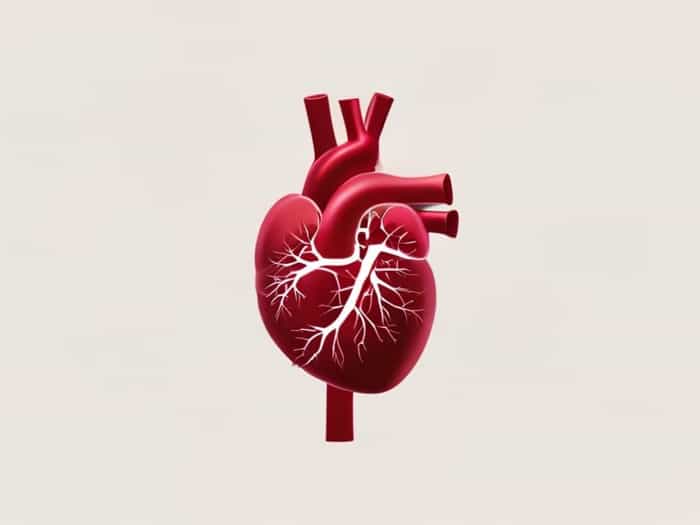
The coronary arteries play a crucial role in supplying oxygenated blood to the heart muscle, and their proper formation during embryological development is essential for a healthy cardiovascular system. The process of coronary artery development is intricate, involving multiple cell types, molecular signals, and structural transformations that occur in a precise sequence. Abnormalities in this process can lead to congenital heart defects, which are among the most common types of birth defects in humans. Understanding the embryological origins, stages, and regulatory mechanisms of coronary artery development provides valuable insight into both normal cardiac function and the potential causes of heart disease later in life.
Embryological Origins of the Coronary Arteries
The coronary arteries originate from several sources during early cardiac development. Primarily, they arise from the epicardium, which is the outermost layer of the heart. The epicardium itself develops from a cluster of cells known as the proepicardium, located near the venous pole of the developing heart. These cells migrate over the myocardial surface, forming a continuous epithelial layer that contributes to the formation of coronary vessels, smooth muscle cells, and fibroblasts.
Proepicardial Contribution
The proepicardium is a critical structure that supplies progenitor cells necessary for coronary artery formation. During embryogenesis, proepicardial cells undergo epithelial-to-mesenchymal transition (EMT), a process that allows them to detach from the epicardial layer and migrate into the subepicardial space. Once there, these mesenchymal cells differentiate into various cell types, including endothelial cells that form the inner lining of coronary arteries and smooth muscle cells that provide structural support and contractility.
Endothelial and Smooth Muscle Cells
The endothelial cells of the coronary arteries derive from two primary sources the sinus venosus and the endocardium. Cells from the sinus venosus migrate and invade the subepicardial space, while some endothelial cells originate from endocardial cushions inside the heart. Smooth muscle cells, on the other hand, primarily arise from the epicardial-derived mesenchymal cells. These cells wrap around the endothelial tubes to form mature arteries capable of handling pulsatile blood flow.
Stages of Coronary Artery Development
The development of coronary arteries can be divided into several distinct stages, each characterized by specific cellular and molecular events. Understanding these stages helps explain how the coronary vasculature establishes its complex network around the heart.
Vasculogenesis
Vasculogenesis is the initial stage, during which new blood vessels form de novo from endothelial progenitor cells. In the developing heart, endothelial precursors aggregate to form primitive vascular tubes in the subepicardial space. This early network is not yet connected to the aorta and lacks smooth muscle coverage but provides a scaffold for subsequent vessel growth.
Angiogenesis
Angiogenesis follows vasculogenesis and involves the sprouting and branching of new vessels from preexisting ones. This process allows the coronary artery network to expand and reach all areas of the myocardium. Angiogenic signaling molecules, including vascular endothelial growth factor (VEGF), play a central role in promoting endothelial cell proliferation, migration, and tube formation during this stage.
Connection to the Aorta
One of the most critical steps in coronary artery development is the formation of the coronary ostia, which are openings in the aortic root that connect the coronary arteries to the systemic circulation. Endothelial sprouts from the coronary plexus invade the aortic wall and establish functional connections with the aortic lumen. This step ensures that the developing myocardium receives oxygenated blood as the embryo grows.
Maturation and Remodeling
After establishing a connection to the aorta, the coronary arteries undergo maturation and remodeling. Smooth muscle cells surround the endothelial tubes, forming tunica media layers that enable arteries to withstand blood pressure. The vessels also undergo pruning, where unnecessary branches regress, and key vessels enlarge to create a functional coronary tree. These processes are tightly regulated to ensure proper vessel diameter, branching patterns, and functional integrity.
Molecular Mechanisms and Regulatory Factors
Coronary artery development is orchestrated by a network of molecular signals that guide cell migration, differentiation, and vessel formation. These pathways involve growth factors, transcription factors, and signaling molecules that act in concert to shape the coronary vasculature.
Vascular Endothelial Growth Factor (VEGF)
VEGF is a key signaling protein that promotes endothelial cell proliferation and migration. It is essential for both vasculogenesis and angiogenesis in the developing coronary network. Disruption of VEGF signaling can lead to underdeveloped or absent coronary arteries, demonstrating its crucial role in early vessel formation.
Fibroblast Growth Factors (FGFs)
FGFs stimulate the proliferation and differentiation of epicardial-derived cells and contribute to smooth muscle cell formation. They also facilitate communication between the epicardium and myocardium, ensuring coordinated growth of the heart and its vasculature.
Transcription Factors
Several transcription factors, including Tbx18, Wt1, and Nkx2.5, regulate gene expression in epicardial and endothelial cells during coronary artery development. These factors control processes such as epithelial-to-mesenchymal transition, cell migration, and differentiation, making them indispensable for proper vessel formation.
Clinical Implications
Abnormalities in coronary artery development can lead to congenital heart defects such as anomalous coronary arteries, myocardial ischemia, or other cardiac malformations. Understanding the embryological origins and developmental pathways helps researchers and clinicians identify the causes of these defects and develop potential therapeutic interventions. For example, insights into VEGF or FGF signaling may provide avenues for regenerative medicine approaches to repair or regenerate coronary vessels after injury.
Congenital Coronary Anomalies
Congenital anomalies of the coronary arteries include variations in the origin, course, or number of vessels. These defects can remain asymptomatic or cause significant clinical problems, such as sudden cardiac death or myocardial infarction in young individuals. Early detection through imaging and understanding embryological origins aids in risk assessment and management.
Future Research Directions
Ongoing research focuses on uncovering additional molecular pathways that regulate coronary artery development and identifying ways to manipulate these processes for therapeutic purposes. Stem cell biology and tissue engineering hold promise for creating functional coronary vessels, which could revolutionize treatments for heart disease and congenital defects.
The embryological development of the coronary arteries is a highly coordinated process involving the epicardium, endothelial cells, smooth muscle cells, and numerous molecular signals. From the initial vasculogenesis to the final maturation and connection to the aorta, each step is essential for establishing a functional coronary network that sustains the heart throughout life. Understanding these mechanisms not only sheds light on normal cardiac development but also provides crucial insights into the causes and potential treatments of congenital coronary anomalies. Advances in research continue to reveal the complexity of coronary artery development and offer hope for improved cardiovascular health in the future.