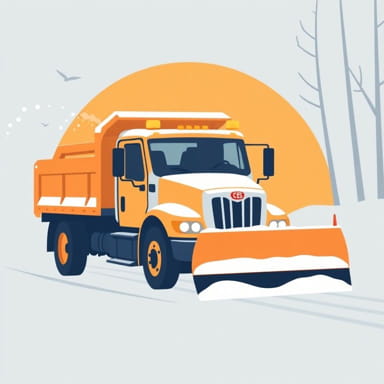
The Connecticut Department of Transportation (CTDOT) has been grappling with a significant staffing shortage of snowplow drivers in recent years, a challenge that poses serious risks to public safety during winter storms. With snow and ice being a regular part of the state’s cold-weather climate, the shortage of qualified drivers to operate snowplows has created concern among residents, officials, and transportation planners. This ongoing issue has affected the CTDOT’s ability to keep roads clear and safe during inclement weather, and efforts are underway to address the problem before it becomes more critical.
Understanding the Role of Snowplow Drivers
Snowplow drivers are essential to winter road safety. Their work ensures that highways, secondary roads, and other critical transportation routes remain passable during and after snowfall. In Connecticut, where winter storms can drop several inches of snow in a matter of hours, timely snow removal is key to preventing accidents, school closures, traffic delays, and disruptions to emergency services.
Primary Responsibilities of Snowplow Drivers
- Clearing snow and ice from roads, bridges, and public access areas
- Applying salt and sand to reduce road slipperiness
- Maintaining and fueling heavy equipment used in snow removal
- Responding to emergencies and severe weather conditions, often on short notice
- Operating vehicles during nighttime hours and dangerous weather conditions
Their expertise not only keeps roads open but also helps prevent accidents and fatalities during hazardous weather events.
Scope of the CTDOT Staffing Shortage
Over the past few winter seasons, the Connecticut Department of Transportation has reported increasing difficulty in hiring and retaining snowplow drivers. The shortage has reached a point where CTDOT is unable to deploy enough personnel to cover all required routes efficiently during major storms.
Key Areas Affected
- Highways in rural regions with long plowing routes
- Secondary roads and feeder routes to main highways
- High-traffic urban corridors during peak weather events
- Bridge and overpass clearance operations
This shortage has led to delays in snow removal, longer response times, and in some cases, prioritization of major highways at the expense of less-traveled roads.
Causes Behind the Staffing Shortage
Multiple factors have contributed to the ongoing snowplow driver shortage at CTDOT. The issue is not isolated to Connecticut and reflects a broader national trend, but local conditions have intensified the problem.
Contributing Factors
- Retirement of experienced operatorsMany veteran drivers have left the workforce, and fewer young workers are entering the field.
- Difficulty recruiting CDL holdersCommercial Driver’s License (CDL) holders are in high demand across industries, and CTDOT faces stiff competition from private companies offering higher wages.
- Seasonal and part-time nature of the jobMany snowplow drivers are hired on a temporary basis, which can be unattractive to job seekers seeking year-round employment.
- Challenging work conditionsThe job requires working long hours in severe weather, often overnight or on holidays.
- Lengthy hiring and training processesBackground checks, drug tests, and certifications can delay new hires from starting work quickly.
Each of these challenges makes it more difficult for CTDOT to maintain a full roster of snowplow operators during the critical winter months.
Impact on Winter Road Maintenance
Without a sufficient number of snowplow drivers, the effectiveness of CTDOT’s winter operations diminishes significantly. Delays in plowing can lead to unsafe travel conditions, increased accident rates, and disruption to commerce and daily life.
Consequences of the Shortage
- Slower snow and ice removal during storms
- Reduced coverage for secondary and rural roads
- Increased reliance on overtime for existing staff
- Higher operational stress on equipment and personnel
- Decreased public confidence in transportation safety
Some municipalities have had to contract private snowplow services to fill the gaps, which can lead to increased costs and coordination challenges.
CTDOT Response and Mitigation Strategies
Recognizing the seriousness of the issue, the Connecticut Department of Transportation has implemented several strategies to address the staffing shortfall. These efforts are focused on recruitment, retention, and operational efficiency to ensure public safety is not compromised.
Efforts Underway
- Expanding recruitment campaignsCTDOT has increased outreach through job fairs, online advertisements, and partnerships with technical schools to attract new candidates.
- Offering competitive pay and incentivesHigher wages, signing bonuses, and seasonal incentives have been introduced to attract and retain qualified CDL drivers.
- Streamlining the hiring processThe department has shortened background checks and fast-tracked training programs for snowplow driver applicants.
- Utilizing temporary contractorsCTDOT has engaged third-party contractors to supplement staffing during major winter events.
- Cross-training current employeesStaff from other transportation roles have been trained to operate plows during emergencies.
While these strategies have seen some success, the department acknowledges that long-term planning and investment are still required to ensure sustainability.
Role of the Public During Staffing Shortages
During periods of limited snowplow availability, public cooperation becomes even more important. Residents and businesses play a key role in supporting road safety by adjusting their travel plans and helping to keep roads clear.
What the Public Can Do
- Avoid unnecessary travel during winter storms
- Allow extra time for travel and use caution when driving
- Keep driveways and sidewalks clear to aid neighborhood plowing efforts
- Refrain from parking on the street during snow removal operations
- Report unsafe road conditions through official CTDOT channels
Public awareness and cooperation can help CTDOT maximize its limited resources and reduce risk on the roads during snow events.
Looking Ahead Long-Term Solutions
To address the root causes of the staffing shortage, CTDOT is exploring long-term improvements. These include workforce development initiatives, partnerships with CDL training programs, and potential automation of certain aspects of snow removal in the future.
Future Plans and Innovations
- Creating year-round employment opportunities for seasonal workers
- Investing in modern snow removal equipment with advanced technologies
- Incentivizing younger workers to enter the transportation field
- Exploring autonomous snowplow technologies
- Improving working conditions and benefits for long-term retention
These efforts reflect CTDOT’s commitment to ensuring the safety and reliability of Connecticut’s roads, no matter the weather conditions.
The CTDOT staffing shortage of snowplow drivers is a serious issue that impacts road safety, transportation efficiency, and emergency response during winter months. While immediate efforts are being made to recruit and retain more drivers, long-term solutions are necessary to build a sustainable workforce and improve winter preparedness. Through strategic planning, public engagement, and innovation, Connecticut can work toward a safer, more resilient transportation system capable of withstanding the challenges of harsh winter weather.