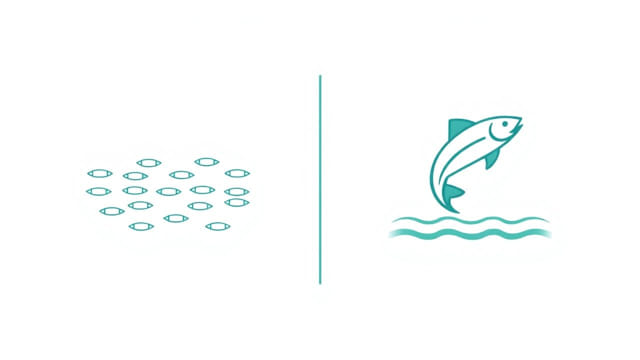
Many people use the terms aquaculture and fisheries interchangeably, but they refer to two distinct aspects of aquatic resource management. While both deal with water organisms and the harvesting of seafood, their approaches, systems, and impacts on the environment and economy vary significantly. Understanding the difference between aquaculture and fisheries is important for students, professionals, and anyone involved in environmental studies, food production, or marine resource planning. Each system plays a unique role in food supply, livelihoods, and sustainability. This topic explores these concepts clearly and thoroughly to help differentiate their definitions, techniques, and purposes.
Definition and Concept
What is Aquaculture?
Aquaculture is the controlled cultivation of aquatic organisms such as fish, crustaceans, mollusks, and aquatic plants. It involves breeding, rearing, and harvesting these organisms in controlled or semi-controlled environments like tanks, ponds, rivers, or coastal enclosures. Aquaculture is also known as fish farming and can be practiced in freshwater or marine settings. The key element is human intervention in every stage from stocking to feeding to disease prevention and harvesting.
What are Fisheries?
Fisheries refer to the capture and harvesting of naturally occurring aquatic species from oceans, seas, rivers, and lakes. It includes both commercial and subsistence fishing activities. Fisheries are classified into two main categories: marine fisheries and inland fisheries. Unlike aquaculture, fisheries rely on wild populations and natural ecosystems, with limited human control over the growth or reproduction of the species being harvested.
Key Differences Between Aquaculture and Fisheries
- Source: Aquaculture is based on artificially bred and raised organisms, while fisheries depend on naturally existing populations.
- Environment: Aquaculture occurs in controlled environments; fisheries are conducted in open and natural water bodies.
- Human Intervention: High in aquaculture, minimal in traditional fisheries.
- Production Volume: Aquaculture can be scaled and intensified; fisheries depend on natural stocks and seasons.
- Sustainability: Aquaculture can support sustainability through controlled practices; overfishing in wild fisheries poses sustainability risks.
Types and Methods
Types of Aquaculture
- Mariculture: The cultivation of marine organisms like oysters, shrimp, and seaweed in ocean environments or saltwater tanks.
- Freshwater Aquaculture: Farming of freshwater species like tilapia, catfish, and carp in ponds, tanks, or reservoirs.
- Integrated Multi-Trophic Aquaculture (IMTA): A system where multiple species are farmed together to reduce waste and increase efficiency.
Types of Fisheries
- Commercial Fisheries: Large-scale fishing operations targeting massive catches for trade and industry.
- Artisanal Fisheries: Small-scale, traditional fishing done by local communities for subsistence or local markets.
- Recreational Fisheries: Fishing for sport or leisure rather than commercial purposes.
Economic Importance
Aquaculture in the Economy
Aquaculture contributes significantly to global fish production and plays a major role in providing food security, employment, and export revenue. With declining natural fish stocks, aquaculture is growing rapidly and is projected to meet most of the global demand for seafood in the future. Countries like China, India, and Norway have large aquaculture industries that generate significant income.
Fisheries in the Economy
Fisheries support millions of livelihoods around the world, especially in coastal and island communities. It remains a vital source of protein and income in many developing nations. Marine fisheries, in particular, contribute heavily to national economies through exports, tourism, and food supply chains. However, overfishing, pollution, and climate change are putting pressure on natural fish stocks.
Environmental Impact
Aquaculture Impacts
- Water pollution due to uneaten feed, chemicals, or fish waste
- Risk of disease outbreaks in densely stocked systems
- Genetic dilution if farmed fish escape into the wild
- Habitat modification, especially in coastal mariculture
Fisheries Impacts
- Overfishing leading to population decline and ecosystem imbalance
- Bycatch issues harming non-target species like dolphins and turtles
- Destructive practices such as bottom trawling damaging sea beds
- Illegal, unreported, and unregulated (IUU) fishing posing governance challenges
Sustainability and Future Outlook
Can Aquaculture Be Sustainable?
When managed responsibly, aquaculture can offer a sustainable solution to meet global food demands. Practices like recirculating aquaculture systems (RAS), organic feed, and species diversification reduce the environmental footprint. Innovations in technology are also helping farmers monitor water quality, control diseases, and increase yields.
Challenges for Sustainable Fisheries
To make fisheries sustainable, governments and communities must enforce catch limits, establish marine protected areas, and encourage responsible fishing gear and methods. Monitoring and data collection are essential to track population health and regulate access. International collaboration is needed to manage migratory species and shared water bodies.
Role in Food Security
Aquaculture’s Role
With global demand for seafood rising, aquaculture offers a reliable way to produce high-protein, low-fat food year-round. It can also be customized to meet regional needs and dietary habits. For landlocked or urban regions, aquaculture systems like aquaponics provide fresh fish and vegetables locally.
Fisheries’ Role
Fisheries remain a vital source of animal protein, especially in remote or coastal areas. In some cultures, wild-caught fish is not just a food source but a tradition and a way of life. Sustainable fisheries help maintain marine biodiversity while supporting traditional knowledge and community-based practices.
Summary of Key Differences
| Aspect | Aquaculture | Fisheries |
|---|---|---|
| Origin | Farmed | Wild |
| Environment | Controlled | Natural |
| Intervention | High | Low |
| Sustainability | Depends on practices | Depends on regulations |
| Risk | Disease, escape | Overfishing, bycatch |
Understanding the difference between aquaculture and fisheries helps clarify their distinct roles in food production and environmental management. Aquaculture is a controlled farming method aimed at increasing fish production, while fisheries involve capturing wild fish from natural water bodies. Both sectors are crucial to global food security and economic development, but each comes with its own set of challenges and benefits. As the world grapples with climate change and food scarcity, balancing sustainable practices in both aquaculture and fisheries will be essential for a healthy planet and resilient food systems.