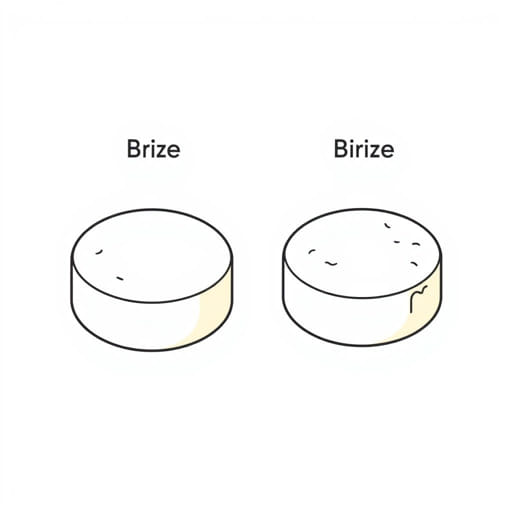
Brie and Camembert are two of the most famous French soft cheeses enjoyed around the world. At first glance, they look quite similar: both have creamy interiors and a white, edible rind. However, despite these similarities, they have distinct differences in flavor, texture, production methods, and origins. Understanding these differences can enhance your appreciation for these cheeses, whether you are a cheese enthusiast, a foodie, or someone who simply enjoys a good cheese platter. Let’s explore the key distinctions between Brie and Camembert to help you recognize and enjoy each for what it truly offers.
Origins and History
Both Brie and Camembert originate from France but come from different regions with unique histories. Brie cheese takes its name from the Brie region in northern France, which has been producing this cheese for centuries. It is often referred to as the ‘Queen of Cheeses’ due to its popularity and refined taste. Camembert, on the other hand, comes from Normandy, a region in northern France famous for its rich dairy tradition. It is said to have been created in the late 18th century by a farmer named Marie Harel, who helped popularize the cheese and gave it its distinct identity.
Key Points About Origins
- Brie: Originates from the Brie region, mainly around Île-de-France.
- Camembert: Comes from Normandy, specifically the village of Camembert.
- Historical background: Brie has a longer historical record; Camembert is a bit younger but equally iconic.
Production Methods and Size
The production of Brie and Camembert involves similar processes like using cow’s milk and inoculating with Penicillium candidum mold to develop the white rind. However, the differences lie in how the curds are handled, their aging process, and size.
Brie cheese is generally produced in large wheels, often weighing between 6 to 14 pounds (about 3 to 6 kilograms). The curd for Brie is cut less aggressively, which results in a creamier, softer texture. Brie is also typically aged for a slightly longer period, ranging from four to five weeks, allowing it to develop a mild, buttery flavor.
Camembert is made in much smaller wheels, usually about 8 ounces (250 grams). The curds are cut more roughly and ladled into molds by hand, which gives the cheese a denser texture. Camembert is aged for a shorter time, around three weeks, leading to a stronger, earthier flavor that is more pronounced than Brie.
Differences in Production and Size
- Brie: Larger wheels, gentler curd handling, longer aging.
- Camembert: Smaller wheels, hand-ladled curds, shorter aging.
- Texture impact: Brie tends to be creamier and softer; Camembert is denser and slightly firmer.
Flavor Profiles
One of the most noticeable differences between Brie and Camembert is their flavor. Brie has a mild, buttery, and creamy taste with subtle nutty undertones. It is approachable and often enjoyed by those who prefer less intense cheeses. The flavor is delicate and can be described as smooth and slightly sweet with hints of earthiness as it ages.
Camembert, in contrast, offers a bolder flavor that is more pungent and earthy. Its aroma can be quite strong, with hints of mushroom and grassy notes reflecting its Normandy origins. The taste is complex and can become more intense and tangy as the cheese ripens. Some people find Camembert to have a slight ammonia note when it is very ripe, which is a natural part of the aging process but can be off-putting if unfamiliar.
Flavor Differences Summarized
- Brie: Mild, creamy, buttery, with subtle nuttiness.
- Camembert: Stronger, earthier, with mushroom and grassy aromas.
- Aroma: Brie is delicate; Camembert can be pungent and tangy.
Texture and Appearance
Both cheeses have a soft, creamy interior with an edible white rind made from Penicillium mold. However, the texture can vary between the two. Brie’s texture is usually softer and almost spreadable when ripe, with a slightly firmer exterior near the rind. The rind itself tends to be thinner and less robust.
Camembert typically has a firmer, more uniform texture throughout, with a thicker and more pronounced rind. The paste (interior) is creamy but more compact compared to Brie. When young, Camembert is firmer and becomes softer and creamier as it ages, but it rarely becomes as runny as Brie.
Appearance and Texture Details
- Brie: Larger rounds, softer and creamier interior, thinner rind.
- Camembert: Smaller rounds, firmer and denser paste, thicker rind.
- Ripening effect: Brie can become almost spreadable; Camembert stays more compact.
Serving Suggestions and Pairings
Both Brie and Camembert are versatile cheeses that can be enjoyed on their own or as part of a cheese board. Brie pairs well with fresh fruit like apples, grapes, and pears, as well as mild crackers and crusty bread. It complements light wines such as Chardonnay, Champagne, or Pinot Noir.
Camembert’s stronger flavor calls for heartier accompaniments. It pairs wonderfully with crusty baguettes, nuts, and dried fruits. Wines with more body like a robust red Burgundy or a rustic cider from Normandy perfectly match Camembert’s earthy taste.
Pairing Tips
- Brie: Mild fruits, light crackers, soft white wines.
- Camembert: Baguettes, nuts, dried fruits, full-bodied reds or cider.
- Serving temperature: Both cheeses taste best at room temperature for full flavor release.
While Brie and Camembert might look similar, they offer distinct experiences to cheese lovers. Brie’s mild, buttery, and creamy profile is perfect for those who prefer subtle flavors and smooth textures. Camembert’s earthier, stronger taste and firmer texture appeal to those who enjoy bold, rustic cheeses. Both are rooted in rich French traditions and bring their own unique qualities to any cheese platter. By understanding their differences from origin and production to flavor and texture you can better appreciate each cheese and choose the right one for your palate or occasion.