Many people reach for cinnamon without realizing there are different types available, each with its own unique flavor, health benefits, and culinary uses. While both varieties come from the bark of trees, not all cinnamon is created equal. The most common types are Cassia cinnamon and Ceylon cinnamon, often referred to as ‘true cinnamon.’ Understanding the difference between cinnamon and Ceylon cinnamon is important for those who care about both flavor and health. From the way they are harvested to the amount of coumarin they contain, these two forms of cinnamon have distinct characteristics worth exploring.
What Is Cinnamon?
The Common Grocery Store Variety
When most people buy cinnamon from the grocery store, they are usually purchasing Cassia cinnamon. This type of cinnamon is produced mainly in Indonesia and China and has a strong, spicy-sweet flavor. It is commonly used in baking, spice blends, and commercial food production because of its affordability and intensity.
Types of Cinnamon
There are actually several species of cinnamon used around the world:
- Cassia (Cinnamomum cassia or C. aromaticum): The most commonly available variety.
- Ceylon (Cinnamomum verum): Often referred to as ‘true cinnamon.’
- Saigon (Cinnamomum loureiroi): A Vietnamese variety known for its bold flavor.
- Korintje (Cinnamomum burmannii): Widely used in North America, a type of Cassia.
What Is Ceylon Cinnamon?
Known as True Cinnamon
Ceylon cinnamon comes primarily from Sri Lanka and is considered the true form of cinnamon. It is lighter in color and has a more delicate, mildly sweet flavor compared to Cassia. Because of its refined taste, it is favored in gourmet cooking and often used in European desserts and traditional medicinal remedies.
Harvesting and Processing
Ceylon cinnamon is made from the inner bark of the Cinnamomum verum tree. The bark is shaved off in thin layers and dried, forming soft, rolled quills. These quills are fragile and easily ground into a fine powder, making them ideal for delicate recipes.
Key Differences Between Cinnamon and Ceylon Cinnamon
1. Flavor Profile
- Cassia Cinnamon: Strong, pungent, and slightly bitter.
- Ceylon Cinnamon: Mild, sweet, and aromatic.
If you are looking for a gentle cinnamon flavor that blends well with sweet dishes without overpowering them, Ceylon is the better choice.
2. Appearance
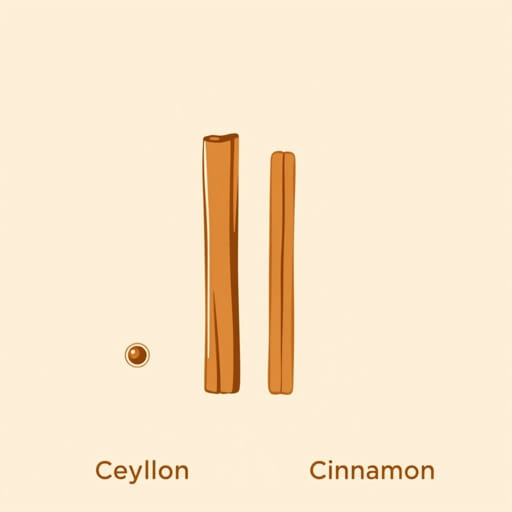
- Cassia: Dark brown, thick, and hard sticks that curl inward from both sides.
- Ceylon: Tan or light brown with soft, crumbly quills made of multiple thin layers.
The difference is easy to spot when comparing cinnamon sticks side by side.
3. Coumarin Content
This is one of the most critical health-related differences between the two.
- Cassia: Contains high levels of coumarin, a naturally occurring compound that may be harmful to the liver and kidneys if consumed in large quantities over time.
- Ceylon: Contains only trace amounts of coumarin, making it safer for daily consumption, especially for people using cinnamon for health reasons.
4. Cost and Availability
- Cassia: More common and less expensive, widely available in supermarkets.
- Ceylon: More expensive and typically found in specialty stores or online.
The price difference reflects the more labor-intensive harvesting process and the limited supply of Ceylon cinnamon.
5. Culinary Use
Both types of cinnamon can be used in cooking, but their differences in flavor may influence your choice:
- Use Cassia: For bold dishes like curries, spice rubs, and baked goods with strong flavors (e.g., cinnamon rolls, pumpkin pie).
- Use Ceylon: For light desserts, teas, fruit dishes, and delicate pastries where subtle flavor is key.
Health Considerations
Potential Health Benefits of Cinnamon
Both Cassia and Ceylon cinnamon offer some health benefits, including:
- Anti-inflammatory properties
- Antioxidant content
- Potential to lower blood sugar levels
- Antimicrobial activity
However, due to Cassia’s higher coumarin content, long-term consumption in large quantities is not advised without medical guidance.
When to Choose Ceylon for Health
If you’re using cinnamon as a daily supplement for managing blood sugar, cholesterol, or inflammation, Ceylon cinnamon is the preferred choice. It offers similar benefits without the risks associated with high coumarin intake.
How to Tell Them Apart
Tips for Identification
Here’s how you can identify the type of cinnamon you’re buying:
- Label: Look for the name Ceylon or Cinnamomum verum. If not specified, it is likely Cassia.
- Color: Ceylon is lighter in shade.
- Texture: Ceylon sticks are softer and crumbly. Cassia is hard and can be difficult to grind at home.
- Smell: Ceylon has a sweeter, more complex aroma. Cassia is sharper and more intense.
Storage Tips
Preserving Freshness
Store both types of cinnamon in airtight containers away from direct sunlight and moisture. Ground cinnamon tends to lose its flavor more quickly than whole sticks, so consider grinding small amounts as needed. Ceylon, due to its delicate nature, should be used within six months for optimal flavor.
Which Cinnamon Should You Choose?
Depends on Your Needs
If your main concern is cost and convenience, Cassia is the more accessible option. It delivers strong flavor, making it ideal for robust dishes. However, if you’re seeking a safer option for regular use or prefer a milder flavor, Ceylon is well worth the extra investment.
For Health-Conscious Cooks
Ceylon cinnamon is highly recommended for anyone using cinnamon therapeutically or on a daily basis. With lower levels of coumarin and a more refined taste, it’s considered a superior choice for health and quality.
The difference between cinnamon and Ceylon cinnamon goes far beyond taste. From their botanical origins to their chemical compositions, the two types offer distinct advantages and drawbacks. While Cassia cinnamon is affordable and strong in flavor, Ceylon cinnamon is safer for long-term use and adds a subtle sweetness that enhances delicate dishes. Knowing which type to use can help you make better culinary and health decisions. Whether you’re baking a pie, seasoning a curry, or adding a sprinkle to your morning oats, choosing the right cinnamon makes all the difference.