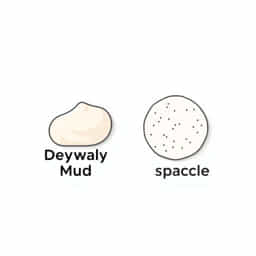
When tackling wall repairs or finishing drywall, it’s common to hear two terms tossed around drywall mud and spackle. Though they may seem interchangeable to the untrained eye, these two products serve different purposes, textures, drying times, and application techniques. Whether you’re a homeowner looking to do a quick patch job or a contractor preparing a room for painting, understanding the differences between drywall mud vs spackle can save you time, money, and frustration. Choosing the right material for your project depends on the size and nature of the repair as well as the finish you expect.
Understanding Drywall Mud
What is Drywall Mud?
Drywall mud, also known as joint compound, is a paste used for finishing drywall seams, embedding joint tape, and creating a smooth surface on drywall panels. It typically comes in large buckets and is available in two forms: pre-mixed and powdered. Pre-mixed compound is ready to use straight from the container, while the powdered version must be mixed with water to reach the desired consistency.
Types of Drywall Mud
There are several types of drywall mud, including:
- All-purpose compound: Versatile and used for all phases of drywall finishing.
- Topping compound: Applied as a final coat because it sands easily and creates a smooth finish.
- Setting-type compound: Hardens through a chemical reaction and is preferred for fast, durable repairs.
Uses of Drywall Mud
Drywall mud is ideal for:
- Finishing drywall seams and embedding tape
- Covering screw holes and fasteners
- Skim coating entire walls or ceilings
- Repairing larger wall damage
Understanding Spackle
What is Spackle?
Spackle is a lightweight, putty-like substance designed for filling small holes, dents, or dings in walls, especially in drywall and plaster surfaces. Unlike drywall mud, spackle is often sold in small containers and requires minimal application tools or experience to use effectively.
Types of Spackle
Spackle comes in a few variations:
- Lightweight spackle: Best for small holes and cracks, easy to apply and sand.
- Vinyl spackle: More durable and can be used for slightly deeper repairs.
- Epoxy or acrylic-based spackle: Moisture-resistant and ideal for kitchens and bathrooms.
Uses of Spackle
Spackle is ideal for:
- Patching nail holes or picture hanger damage
- Repairing minor surface imperfections
- Fixing shallow dents and scratches
Key Differences Between Drywall Mud and Spackle
1. Application Scope
Drywall mud is intended for large-scale projects. It’s a must-have during new drywall installation or major renovations. In contrast, spackle is for small-scale repairs. If you need to fill a few holes or minor cracks before painting, spackle will do the trick without creating a mess.
2. Drying Time
Spackle dries faster than drywall mud, especially the lightweight formulas. This makes it perfect for quick fixes. On the other hand, drywall mud requires a longer drying period, especially when used in thicker applications or multiple coats.
3. Shrinkage
Drywall mud tends to shrink as it dries, which means you often need more than one coat. Spackle, particularly lightweight types, has minimal shrinkage and often requires just one application for small holes.
4. Sanding and Finish
Drywall mud is designed for easy sanding and creates a uniform surface suitable for painting. Spackle is also sandable, but some formulations may be slightly harder to feather out over a large surface.
5. Container Sizes
Drywall mud usually comes in bulk containers, making it more cost-effective for big jobs. Spackle is typically packaged in smaller tubs or squeeze tubes perfect for touch-ups and minor wall damage.
When to Use Drywall Mud vs Spackle
Choose Drywall Mud When:
- You’re finishing new drywall sheets and taping seams
- You need to skim coat or cover large wall areas
- You are repairing deep gouges or wide surface defects
Choose Spackle When:
- You need to fix small holes from nails or screws
- You’re doing quick touch-ups before painting
- You want minimal mess and fast drying time
Tips for Applying Each Product
Tips for Using Drywall Mud
- Apply thin coats to prevent cracking
- Let each coat dry fully before sanding or reapplying
- Use a wide drywall knife to blend edges smoothly
- Sand between coats for the best finish
Tips for Using Spackle
- Use a putty knife to press spackle into holes
- Feather the edges to blend with the wall
- Let dry completely before sanding and painting
- For deep holes, apply in layers to avoid cracking
Can They Be Used Together?
Yes, in some cases you might use both products on the same project. For example, spackle might be used for quick fixes on finished walls, while drywall mud is applied for more extensive patching or refinishing. The key is using each material according to its strengths and not forcing one to do the job of the other.
Which Is Better?
There’s no definitive winner in the debate of drywall mud vs spackle it all comes down to the task at hand. If you’re taping seams or finishing drywall after an installation, drywall mud is your best bet. But if you’re just filling in a few nail holes or tiny dents, spackle is more convenient and efficient.
Understanding the difference between drywall mud and spackle is essential for anyone tackling home repairs or renovation. Each product has its specific purpose and advantages. Spackle excels in small, fast jobs, while drywall mud is necessary for broader, more involved work. By choosing the correct material for your project, you’ll not only achieve a more professional-looking result but also make your job easier and faster. Whether you’re prepping a wall for paint or repairing minor damage, knowing when to use drywall mud vs spackle can make all the difference.