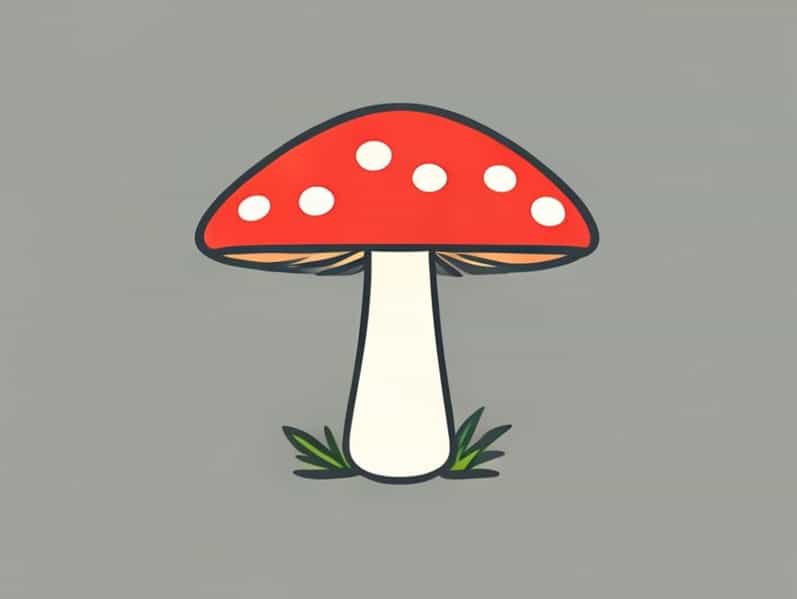
The East Anglia fly agaric is a fascinating and iconic mushroom species that has captured the interest of foragers, botanists, and nature enthusiasts for centuries. Known scientifically asAmanita muscaria, this mushroom is instantly recognizable due to its bright red cap adorned with white spots, often appearing in fairy-tale illustrations and folklore. Found throughout East Anglia, a region in the east of England known for its rich woodlands and grasslands, the fly agaric thrives in both natural and semi-natural habitats. Its striking appearance makes it a popular subject for photography and education, but it is also well-known for its toxic and psychoactive properties, which require careful handling and respect when encountered in the wild.
Identification and Characteristics
The East Anglia fly agaric is easily identifiable by its vivid red cap, which can range from 8 to 20 centimeters in diameter. The cap is often dotted with distinctive white warts, remnants of the universal veil that initially covers the young mushroom. As the mushroom matures, the cap flattens out, and the bright red color may fade slightly. The stem is typically white with a bulbous base, and a skirt-like ring, known as an annulus, encircles the upper portion of the stem. The gills are free from the stem and exhibit a creamy white color, which contrasts sharply with the red cap.
Season and Habitat
Fly agaric mushrooms appear in East Anglia mainly during late summer and autumn, from August to November. They are commonly found in symbiotic association with certain tree species, forming mycorrhizal relationships with birch, pine, spruce, and sometimes oak. This symbiosis is essential for nutrient exchange, benefiting both the tree and the fungus. The mushroom often grows in woodlands, grassy clearings, and along the edges of forest paths, preferring well-drained soil with a layer of leaf litter. Its presence can indicate a healthy ecosystem and a rich diversity of plant and fungal life.
Toxicity and Psychoactive Properties
One of the most important aspects of the East Anglia fly agaric is its toxic and psychoactive nature. The mushroom contains compounds such as ibotenic acid and muscimol, which can cause hallucinations, nausea, dizziness, and in extreme cases, more severe poisoning. While historically used in some traditional rituals and shamanic practices, ingestion of the raw mushroom is considered dangerous and is not recommended. Awareness of its toxicity is crucial for anyone foraging in the wild, as even small amounts can have significant effects on humans and animals.
Symptoms of Poisoning
Symptoms of fly agaric poisoning typically appear within 30 minutes to two hours after ingestion. Common effects include nausea, vomiting, excessive salivation, sweating, confusion, and visual or auditory hallucinations. In some cases, severe poisoning can lead to seizures or loss of consciousness. While fatalities are rare, especially in healthy adults, the mushroom is considered potentially hazardous, and caution is advised. Children and pets are particularly vulnerable, making education about proper identification and safety essential.
Historical and Cultural Significance
The fly agaric has a rich history in folklore and mythology, particularly in European cultures. Its red and white coloration has made it a symbol of magic, luck, and otherworldly encounters. In East Anglia, stories of fairy rings and woodland spirits often feature the fly agaric as a key element. Beyond folklore, the mushroom has been used historically in small quantities for shamanic and ritualistic purposes, primarily in Northern and Eastern Europe. Its psychoactive properties contributed to its reputation as a mystical and magical fungus, although such practices are rare today and generally discouraged due to health risks.
Ecological Role
Fly agaric plays a vital role in the ecosystems of East Anglia. As a mycorrhizal fungus, it forms mutually beneficial relationships with trees, enhancing nutrient uptake and soil health. These relationships help trees grow stronger and more resilient while providing the fungus with sugars produced through photosynthesis. Additionally, fly agaric contributes to the biodiversity of the forest floor, supporting insects, other fungi, and microorganisms. Its presence can indicate a well-balanced environment, and it helps maintain the health of woodland and grassland ecosystems.
Interactions with Wildlife
Many animals, including deer, squirrels, and certain insects, interact with fly agaric mushrooms. Some animals can consume parts of the mushroom without serious effects, although the toxic compounds can deter larger populations from eating it extensively. Birds and insects often feed on the spores, helping in their dispersal and propagation. These ecological interactions demonstrate how the fly agaric, despite its toxicity, contributes to the complexity and resilience of local ecosystems.
Foraging and Safety Tips
Foraging for fly agaric in East Anglia can be educational and visually rewarding, but safety is paramount. Due to its toxic properties, the mushroom should never be eaten without expert knowledge and proper preparation. Beginners should focus on observation and photography rather than consumption. When foraging, it is important to
- Wear gloves to avoid skin irritation or accidental ingestion.
- Use a field guide to correctly identify the mushroom and distinguish it from other similar species.
- Keep children and pets away from collected specimens.
- Observe the mushroom’s habitat and take note of its symbiotic relationships for educational purposes.
Conservation and Legal Considerations
While fly agaric is not endangered, responsible foraging is encouraged to preserve natural populations and maintain ecological balance. Collectors should avoid overharvesting and respect protected areas, especially within nature reserves and woodlands in East Anglia. Some regions may have specific regulations regarding fungi collection, and it is important to be aware of local rules. Conservation efforts ensure that this iconic mushroom continues to thrive and support the biodiversity of its habitat.
Educational Value
Beyond its visual appeal, the East Anglia fly agaric serves as a valuable educational tool. Schools, nature centers, and wildlife organizations often use it to teach about mycology, ecology, and the role of fungi in ecosystems. Observing and studying the fly agaric can spark interest in natural sciences and foster appreciation for the delicate balance of woodland habitats.
The East Anglia fly agaric is more than just a strikingly beautiful mushroom; it is a symbol of the complexity and magic of nature. Its bright red cap and white spots have inspired folklore, art, and cultural fascination for generations. Ecologically, it plays a crucial role in supporting tree health and biodiversity through mycorrhizal relationships. While its toxic and psychoactive properties require caution, responsible observation and study provide valuable insights into the natural world. For those exploring East Anglia’s woodlands and grasslands, encountering the fly agaric is an opportunity to connect with the region’s rich ecological and cultural heritage, fostering respect and curiosity for the natural environment.