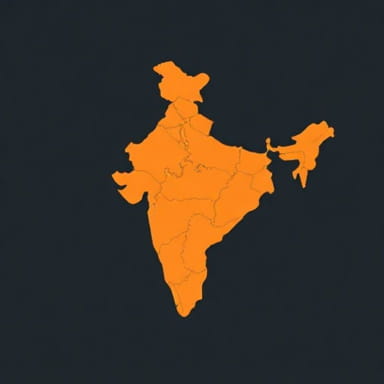
In the vast and rapidly urbanizing landscape of India, the phenomenon of conurbation has become increasingly common. A conurbation refers to an extended urban area, typically consisting of several towns or cities that have grown and merged into a continuous metropolitan zone. These clusters evolve due to population growth, economic activity, and improved transportation, forming powerful hubs of trade, governance, and culture. In India, conurbations play a vital role in shaping the country’s demographic and economic profile, and studying an example can reveal the complex dynamics of urban development.
Understanding Conurbation in the Indian Context
Definition and Key Characteristics
Conurbation is different from a regular city or town. It involves the physical expansion and fusion of multiple nearby settlements into a unified metropolitan region. Key characteristics include
- Shared infrastructure such as highways, airports, and mass transit
- High degree of economic interdependence
- Cross-jurisdictional governance or planning challenges
- Diverse but connected population centers
In India, conurbations are often anchored by a major city that attracts migration and investment, leading to the expansion of surrounding towns and cities.
The National Capital Region (NCR) – A Prime Example
Overview of the NCR
One of the most prominent examples of a conurbation in India is the National Capital Region (NCR), centered around New Delhi. This sprawling region encompasses not only the national capital but also several adjoining cities in the neighboring states of Haryana, Uttar Pradesh, and Rajasthan. Key cities that form part of the NCR include
- New Delhi
- Gurugram (Haryana)
- Noida and Ghaziabad (Uttar Pradesh)
- Faridabad (Haryana)
- Meerut (Uttar Pradesh)
- Alwar (Rajasthan)
Formation and Growth
The NCR was officially established in 1985 under the National Capital Region Planning Board Act. The goal was to decongest Delhi and promote balanced regional development. Over the years, this area has grown significantly in terms of population, industrial activity, and urban infrastructure.
Urban and Economic Integration
The cities within the NCR are interconnected through extensive road and rail networks. The Delhi Metro, regional highways like the Delhi-Meerut Expressway, and dedicated industrial corridors have allowed people and businesses to operate across city borders seamlessly. Gurugram and Noida have emerged as major economic and IT hubs, complementing the political and administrative strength of Delhi.
Social and Demographic Aspects
Population Density and Diversity
The NCR has a population exceeding 46 million, making it one of the most populated urban regions in the world. It includes a highly diverse population with people from all parts of India migrating for jobs, education, and better living conditions.
Residential and Industrial Expansion
Due to the rising demand for housing and commercial space, real estate development in cities like Faridabad, Ghaziabad, and Greater Noida has expanded rapidly. Special Economic Zones (SEZs), technology parks, and manufacturing clusters have also attracted foreign and domestic investment.
Infrastructure and Urban Planning
Transportation and Connectivity
Connectivity is a major feature of the NCR conurbation. Major infrastructure projects include
- Delhi Metro – serving multiple cities in the NCR
- Eastern and Western Peripheral Expressways – easing freight movement
- IGI Airport – serving as the aviation hub for the region
These facilities enable the seamless flow of goods, services, and people across the urban zone, reinforcing the idea of a conurbation.
Urban Governance Challenges
Managing such a large, multi-state region poses serious governance challenges. Each city or district has its own local government, but planning and development need coordination. The National Capital Region Planning Board (NCRPB) attempts to integrate policies, but overlapping jurisdictions and differing priorities often lead to administrative delays.
Environmental and Sustainability Issues
Air Pollution and Resource Pressure
One of the critical concerns in the NCR conurbation is environmental degradation, especially air pollution. Rapid urbanization and vehicular traffic have severely affected air quality. In winter months, the region often records some of the worst air pollution levels globally.
Water and Waste Management
As the population and industries grow, the region faces challenges in water supply and solid waste management. Groundwater depletion, river pollution, and waste disposal remain persistent problems that require regional cooperation.
Other Notable Conurbations in India
Mumbai Metropolitan Region (MMR)
Another example of a conurbation is the Mumbai Metropolitan Region, which includes Mumbai, Navi Mumbai, Thane, Kalyan-Dombivli, and other nearby towns. This area is India’s financial powerhouse, with an extensive suburban railway system and dense urban settlements.
Kolkata Metropolitan Area
The Kolkata conurbation includes Howrah, Salt Lake, and other satellite towns. As one of the oldest urban clusters in India, it reflects both colonial heritage and modern urban challenges.
Chennai Metropolitan Area
Chennai and its neighboring suburbs form a growing conurbation with strong industrial and IT sectors. Its strategic coastal location makes it a critical economic zone.
Future of Conurbations in India
Smart Cities and Urban Policy
The Indian government has launched programs like the Smart Cities Mission and AMRUT (Atal Mission for Rejuvenation and Urban Transformation) to manage urban growth more effectively. These initiatives promote sustainable development, digital infrastructure, and inclusive governance across metropolitan regions.
Integrated Regional Planning
As India continues to urbanize, integrated planning across city boundaries will become more important. Lessons from the NCR and other conurbations can help policymakers improve connectivity, reduce urban sprawl, and provide equitable services to citizens.
Conurbations like the National Capital Region represent a new form of urban development in India complex, interconnected, and economically vital. These regions are more than just clusters of cities; they are engines of growth that require coordinated planning, inclusive policies, and innovative solutions. As India moves toward becoming a predominantly urban society, understanding and managing conurbations will be key to building livable, sustainable, and prosperous futures for millions of people.