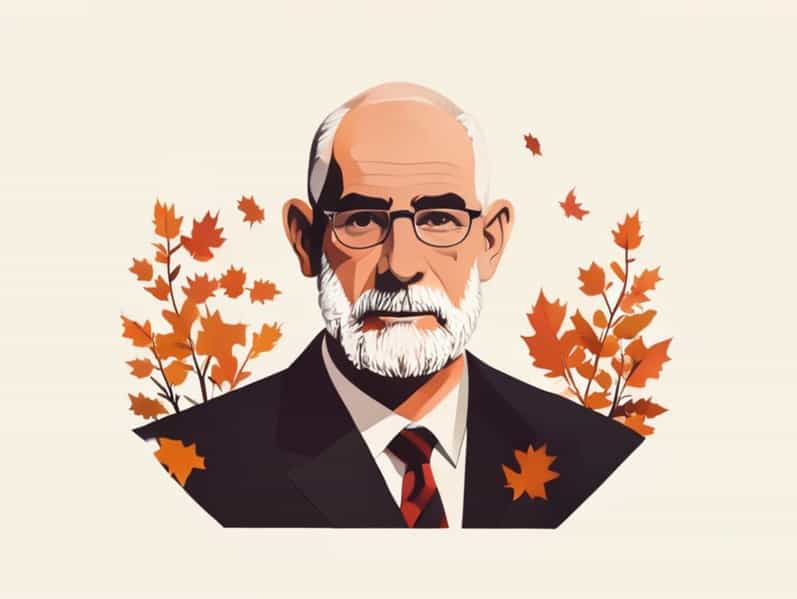
The fall of Jerry Falwell Jr. marked one of the most dramatic downfalls in modern American evangelical and political life. Once seen as the powerful president of Liberty University and a prominent voice in conservative Christianity, Falwell’s influence extended far beyond religion into education, politics, and media. However, his downfall was not sudden. It unfolded through a series of scandals, controversies, and revelations that exposed contradictions between his public image and private life. The story of Jerry Falwell’s fall is not only about one man’s moral collapse but also a reflection of the tension between faith, power, and personal conduct in public life.
The Rise Before the Fall
Jerry Falwell Jr. was the son of Jerry Falwell Sr., a renowned televangelist and founder of Liberty University in Lynchburg, Virginia. As the heir to his father’s legacy, Falwell Jr. took over the presidency of the university in 2007 after his father’s death. While he was not a pastor or preacher like his father, Falwell Jr. became a powerful figure in American evangelical circles, particularly due to his leadership role at Liberty and his strong political alliances.
Under his leadership, Liberty University expanded significantly. The school became one of the largest Christian universities in the world, with tens of thousands of students enrolled both on campus and online. Falwell was admired for his ability to modernize the institution and build financial stability. His influence grew even more when he became an early and vocal supporter of Donald Trump during the 2016 U.S. presidential election. Falwell’s endorsement helped bridge the gap between Trump and evangelical voters, solidifying his own place as a political power broker.
Liberty University and Political Power
As president of Liberty University, Falwell Jr. was not only managing an educational institution but also shaping a movement. His leadership transformed Liberty into a hub for conservative politics and Christian nationalism. He hosted political figures, influenced policies, and turned the university into a platform for cultural debates. However, this blending of religion, politics, and personal influence would later contribute to his unraveling.
Critics began to argue that Falwell’s approach compromised the spiritual mission of the university. While he championed conservative Christian values publicly, allegations of hypocrisy and questionable behavior began surfacing. These early criticisms hinted at deeper issues that would eventually lead to his public disgrace.
The Scandals Begin
The fall of Jerry Falwell Jr. began to take shape through a series of controversies that blurred the lines between his professional responsibilities and personal choices. His close association with political figures, use of Liberty University resources, and lifestyle decisions all began to draw scrutiny.
One of the first public signs of trouble came in 2019 when a photo circulated showing Falwell on a yacht with his pants unzipped, posing with a young woman. Although he claimed it was a harmless joke, the image caused widespread backlash. As the head of one of America’s largest Christian universities, Falwell was expected to uphold high moral standards. The photo incident weakened his credibility and fueled speculation about deeper issues in his personal life.
The Affair and Allegations
The major scandal that ultimately ended Falwell’s career erupted in 2020. Reports surfaced alleging that Falwell and his wife, Becki Falwell, had been involved in a long-term sexual relationship with a young man named Giancarlo Granda, who had previously worked as a pool attendant in Miami. Granda claimed that the affair involved both Falwells, with Jerry allegedly aware of and even participating indirectly in the relationship.
The revelations shocked both the evangelical world and the broader public. For years, Falwell had presented himself as a defender of Christian morality and traditional family values. The affair, combined with accusations of financial and ethical misconduct, painted a picture of hypocrisy that contradicted his carefully constructed image. The scandal quickly became national news, leading to an internal investigation at Liberty University and pressure for Falwell to step down.
The Resignation and Fallout
In August 2020, Jerry Falwell Jr. resigned as president of Liberty University amid mounting pressure and global media attention. His resignation marked the end of his long-standing leadership and a dramatic fall from grace. Liberty University issued statements expressing disappointment and launched an independent investigation into his tenure, focusing on financial management, ethical behavior, and misuse of authority.
After his resignation, Falwell maintained that he was being targeted by enemies and the media. However, evidence and testimonies continued to emerge, showing how his personal life had intertwined with his leadership role. The once-powerful university president who had influenced politics and shaped evangelical thought was now isolated, facing both public shame and institutional rejection.
Consequences for Liberty University
Falwell’s departure left Liberty University in a difficult position. The institution faced scrutiny from both supporters and critics, many of whom questioned how such behavior could go unchecked for so long. The scandal tarnished Liberty’s reputation as a Christian university and prompted internal reforms. The board of trustees worked to rebuild the school’s credibility and restore trust among students, alumni, and donors.
Despite the controversy, Liberty University remains influential, but the Falwell era serves as a cautionary tale about the dangers of unchecked power, lack of accountability, and moral inconsistency in leadership.
Public Reaction and Cultural Impact
The fall of Jerry Falwell Jr. sparked widespread debate about hypocrisy, morality, and the fusion of religion with politics. To many, his downfall symbolized the conflict between public virtue and private vice that often surrounds figures who wield both spiritual and political influence. The scandal raised questions about how far institutions should go in defending their leaders and whether the evangelical movement had become too entangled with political power.
Critics argued that Falwell’s case highlighted the fragility of religious authority when tied too closely to worldly ambition. Supporters of reform within evangelical circles viewed the event as an opportunity to return to core spiritual values and separate faith from partisan agendas. Others saw it as a reflection of a larger cultural shift, where social media and public accountability now expose what once could be hidden behind religious respectability.
The Personal Downfall and Human Cost
Beyond the institutional and political consequences, the fall of Jerry Falwell Jr. was deeply personal. His public humiliation and the exposure of his private life took a toll on his family, reputation, and legacy. The man once seen as a symbol of evangelical success became an example of moral collapse. Yet, his story also humanizes the complexity of leadership showing how power, fame, and faith can conflict in unpredictable ways.
In interviews after his resignation, Falwell often expressed a mixture of regret and defiance, claiming that he was unfairly targeted. Nevertheless, his influence in evangelical politics has significantly declined, and his legacy is now permanently tied to scandal rather than spiritual or academic achievement.
The Broader Lessons of Falwell’s Fall
The fall of Jerry Falwell Jr. offers broader lessons about leadership, integrity, and accountability. It reminds institutions that no one should be beyond scrutiny, regardless of status or family name. It also reflects the risks of blurring lines between faith and political ambition. When moral leadership becomes a tool for personal gain, credibility and authenticity are inevitably compromised.
- Leadership requires transparency and humility, not unchecked authority.
- Religious institutions must prioritize moral consistency over political influence.
- Public figures must recognize that personal actions cannot be separated from public roles.
The story of Jerry Falwell Jr. is a powerful reminder of how quickly power and prestige can crumble when personal integrity falters. Once one of the most influential figures in American evangelicalism, his career ended in scandal, leaving behind a legacy of controversy and caution. His fall underscores the enduring truth that leadership built on image rather than character is destined to collapse. For Liberty University, for the evangelical movement, and for observers of faith in public life, the fall of Jerry Falwell remains a defining moment a lesson in accountability, humility, and the moral limits of ambition.