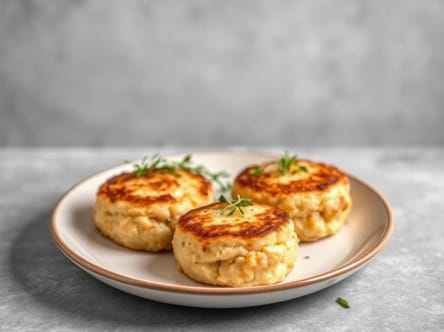
Fish cakes with tinned tuna are a budget-friendly, easy-to-make, and delicious meal option that suits both weeknight dinners and meal prepping needs. Made with pantry staples like canned tuna, breadcrumbs, eggs, and herbs, these fish cakes are crispy on the outside and tender inside. They’re also versatile enough to pair with a variety of sauces, salads, or vegetables, making them a go-to recipe for anyone looking for simple yet satisfying food. Whether you’re an experienced cook or just starting out in the kitchen, tinned tuna fish cakes offer great flavor with minimal effort and cost.
What Makes Tinned Tuna Ideal for Fish Cakes?
Convenience and Accessibility
Tinned tuna is one of the most accessible proteins available. It requires no refrigeration until opened, is pre-cooked, and can be stored for months. These qualities make it an excellent ingredient for quick meals like tuna fish cakes. You don’t have to worry about defrosting or carefully handling raw fish.
Affordable and Nutritious
Tuna in a can is also affordable and packed with protein, omega-3 fatty acids, and essential vitamins like B12 and D. Using tinned tuna allows you to create a nutritious meal that fits most household budgets, and it works for everything from appetizers to mains.
Ingredients for Tuna Fish Cakes
Basic Components
While there are many variations, the base ingredients for tuna fish cakes typically include:
- Tinned tuna: Drained and flaked, this is the star of the recipe.
- Breadcrumbs: Helps bind the mixture and gives structure.
- Eggs: Acts as a binder to hold everything together.
- Mashed potatoes or cooked rice: Adds volume and soft texture.
- Onion or scallions: Provides savory depth and crunch.
- Herbs and spices: Dill, parsley, paprika, garlic powder, and black pepper are common additions.
Optional Add-ins
To elevate your tuna fish cakes, consider adding:
- Grated cheese for extra richness
- Lemon zest or juice for brightness
- Chopped chilies or hot sauce for spice
- Peas or corn for a touch of sweetness
How to Make Fish Cakes with Tinned Tuna
Step-by-Step Instructions
Making these fish cakes is simple and straightforward. Here’s a basic method to get started:
- Drain and Flake: Open the cans of tuna, drain them well, and break the tuna into small flakes using a fork.
- Prepare the Mix: In a large bowl, combine the flaked tuna, mashed potatoes or cooked rice, chopped onions, breadcrumbs, herbs, and spices.
- Bind the Mixture: Crack in one or two eggs depending on quantity. Mix everything until well combined. The mixture should be moist but firm enough to shape into patties.
- Form the Cakes: Using your hands or a scoop, form the mixture into round or oval-shaped cakes, about the size of your palm.
- Chill (optional): Let the patties rest in the refrigerator for 1530 minutes to help them hold together better while cooking.
- Cook: Heat oil in a skillet over medium heat. Fry each fish cake for 34 minutes on each side, or until golden brown and crispy.
- Drain and Serve: Place the cooked cakes on paper towels to absorb excess oil. Serve hot with your favorite sauce or side.
Serving Suggestions
Main Course Ideas
Fish cakes with tinned tuna are highly adaptable and can be served in various ways:
- With a side salad of greens and vinaigrette
- Over rice or couscous with steamed vegetables
- In a sandwich or burger bun with lettuce and aioli
- Alongside roasted potatoes and tartar sauce
Sauces That Pair Well
For dipping or drizzling, consider these sauce options:
- Garlic mayonnaise
- Spicy sriracha mayo
- Yogurt and dill dressing
- Sweet chili sauce
- Classic tartar sauce
Tips for Perfect Tuna Fish Cakes
Preventing Breakage
If your fish cakes are falling apart, it could be due to too little binder (egg or breadcrumbs) or excess moisture. Adjust the consistency so that the mixture holds its shape but is not overly dry.
Achieving Crispy Texture
To get a nice crust, make sure your pan is hot enough before adding the cakes. Lightly oil the pan and avoid flipping too early. Let each side brown fully before turning.
Batch Cooking and Storage
You can double the recipe and freeze the uncooked or cooked cakes. Separate them with parchment paper and store in a freezer bag. Reheat in a pan, oven, or air fryer for best texture.
Health Benefits of Tuna Fish Cakes
Lean Protein Source
Tinned tuna is low in fat and high in protein, making it a great option for muscle repair and satiety. Combined with ingredients like eggs and herbs, tuna fish cakes become a wholesome, protein-packed meal.
Omega-3 and Heart Health
Tuna contains heart-healthy omega-3 fatty acids, which help reduce inflammation and may lower the risk of cardiovascular diseases. Eating tuna fish cakes offers a tasty way to include more healthy fats in your diet.
Customizable for Diets
This recipe can be adjusted for gluten-free diets by using gluten-free breadcrumbs or mashed potatoes. You can also bake the cakes instead of frying to reduce oil intake, or use plant-based egg alternatives for a dairy-free version.
Kid-Friendly and Great for Meal Prep
Making Them Appealing for Kids
Many kids enjoy fish cakes because of their mild flavor and crunchy exterior. You can shape them into smaller patties or fun shapes and serve with a dipping sauce like ketchup or ranch. Hiding vegetables like carrots or peas in the mix is also a good way to sneak in extra nutrition.
Perfect for Make-Ahead Meals
Tuna fish cakes store well in the refrigerator and can be reheated quickly for lunches or snacks. They can also be packed in lunchboxes and eaten cold or at room temperature, making them perfect for school or work meals.
A Tasty, Practical Meal
Fish cakes with tinned tuna are the ultimate combination of flavor, affordability, and simplicity. They make the most of everyday ingredients while offering a dish that feels special and homemade. With countless customization options, easy preparation, and broad appeal, these tuna fish cakes are a smart addition to any meal plan. Whether you’re cooking for yourself, your family, or a crowd, tinned tuna fish cakes provide a delicious and satisfying solution that doesn’t require hours in the kitchen.