The flag of East Timor is a powerful symbol of the country’s identity, history, and struggle for independence. Known for its distinctive colors and geometric design, the flag represents both the cultural heritage of East Timor and its aspirations as a sovereign nation. Officially adopted upon the country’s declaration of independence in 2002, the flag has become an emblem of national pride and unity. Understanding the symbolism, history, and significance of the East Timor flag provides insight into the country’s journey and the values it represents for its people.
Design and Colors of the East Timor Flag
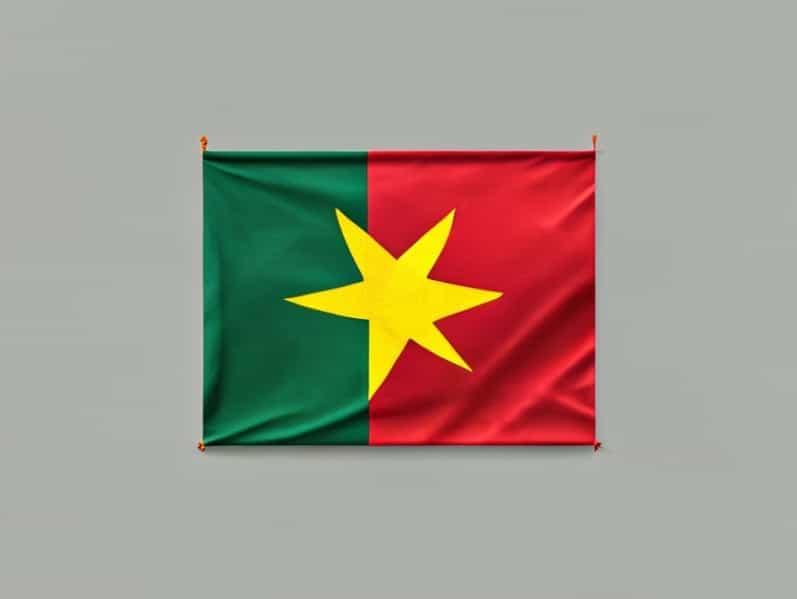
The East Timor flag features a unique combination of colors and shapes that convey deep meaning. The flag has a red field with two overlapping triangles on the hoist side a black isosceles triangle over a larger yellow triangle. Within the black triangle sits a white five-pointed star. Each element carries symbolism connected to the country’s past, struggles, and hopes for the future.
Symbolism of the Colors
- RedThe red background represents the struggle for national liberation and the sacrifices made by the people of East Timor during the fight for independence.
- BlackThe black triangle symbolizes the obscured past under colonial rule and foreign occupation, acknowledging the hardships endured by the nation.
- YellowThe yellow triangle signifies the wealth of the country, both in natural resources and cultural richness, as well as the hope for a prosperous future.
- White StarThe white five-pointed star stands for peace and the guiding principles of the nation. Its placement within the black triangle indicates that peace is achieved despite past struggles.
Historical Background
The history of the East Timor flag is closely tied to the country’s path to independence. East Timor, also known as Timor-Leste, was a Portuguese colony for centuries before being invaded by Indonesia in 1975. During this period, various symbols and flags represented different resistance movements. The current national flag was first adopted by the Revolutionary Front for an Independent East Timor (FRETILIN) when the country briefly declared independence in 1975 before the Indonesian occupation began. Following years of conflict, international intervention, and a United Nations-supervised referendum, East Timor officially gained full independence on May 20, 2002, reinstating the flag as the national emblem.
The Flag During Occupation
During the Indonesian occupation from 1975 to 1999, the East Timor flag was banned, and public display could result in severe punishment. Despite these restrictions, the flag remained a symbol of resistance, courage, and hope for East Timorese people. In secret, the flag was used in resistance meetings, protests, and by exiled communities, keeping the spirit of independence alive.
Meaning and National Significance
Today, the East Timor flag serves as a reminder of the resilience, courage, and unity of its people. It is flown on national holidays, government buildings, and during cultural celebrations. The flag also appears prominently during sports events, international conferences, and diplomatic occasions, reflecting the pride of a young nation that overcame colonialism, occupation, and hardship to establish its sovereignty. For citizens, the flag represents not only freedom but also the responsibilities and hopes tied to building a stable and prosperous nation.
Cultural Importance
Beyond politics and history, the East Timor flag is deeply embedded in local culture. It is often featured in traditional ceremonies, school events, and community gatherings. East Timorese artists and craftsmen frequently incorporate the flag’s colors and patterns into their works, expressing national pride and cultural identity. In this way, the flag transcends being a mere national symbol and becomes a part of everyday life and cultural expression.
How the Flag is Used
The flag of East Timor is displayed in multiple ways across the country and abroad
- Official government buildings and institutions on national and international occasions
- Schools and universities during ceremonies and national celebrations
- Public demonstrations, cultural events, and sporting competitions
- International representations, such as embassies and global conferences
Flag Protocol
Like many nations, East Timor has specific guidelines regarding the use and display of the flag. It should be raised at sunrise and lowered at sunset when flown outdoors, and it must be treated with respect at all times. The flag should never touch the ground, be used as clothing or decoration in a disrespectful manner, and should always be displayed in a way that honors the nation’s history and achievements.
Comparisons with Other Flags
The East Timor flag stands out for its bold color scheme and geometric design. While many national flags use stripes or simple color fields, East Timor incorporates triangles and a star to create a visually distinct emblem. Comparatively, its use of symbolism is similar to other post-colonial nations that emphasize struggle, wealth, peace, and independence through their colors and shapes. This makes the flag not only unique but also deeply meaningful in the context of Southeast Asian history.
Influence and Recognition
Internationally, the East Timor flag is recognized as a symbol of resilience and sovereignty. Organizations such as the United Nations and global sporting federations display the flag during official events, reinforcing its status as the official emblem of the nation. Tourists visiting East Timor frequently encounter the flag, which reinforces national identity and pride. The flag’s striking design also makes it memorable for those learning about the country’s history for the first time.
The flag of East Timor is much more than a colorful emblem; it encapsulates the country’s struggle for independence, cultural richness, and hopes for peace and prosperity. Its distinct colors and geometric design carry layers of meaning that reflect historical struggles, natural wealth, and aspirations for the future. From the time of clandestine resistance during occupation to its official adoption after independence, the flag has been a unifying symbol for East Timorese citizens. Flying the flag today is an act of remembrance, celebration, and pride, embodying the spirit of a nation that has overcome immense challenges to assert its place in the world.