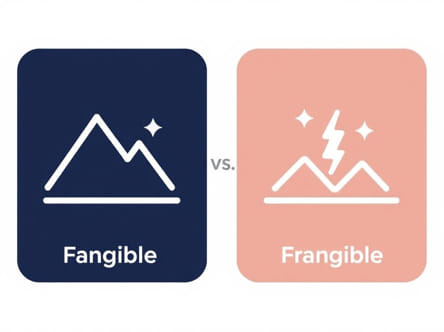
When it comes to selecting the right type of ammunition for a specific application, the choice between frangible and non-frangible rounds is more than a matter of preference it directly impacts performance, safety, and effectiveness. Ammunition selection is crucial in law enforcement, military training, home defense, and civilian shooting sports. Understanding the unique characteristics of frangible vs non-frangible ammunition helps shooters make informed decisions that suit their needs and environments. While both types of ammo fire from the same kinds of firearms, they behave differently upon impact, with each offering distinct advantages depending on the situation.
Understanding Frangible Ammunition
Definition and Composition
Frangible ammunition is designed to disintegrate upon impact with hard surfaces. Unlike traditional bullets that are made of solid lead or jacketed metal, frangible rounds are typically constructed from compressed powdered metals, such as copper, tin, or tungsten. These materials are fused under pressure without the use of heat, resulting in a solid bullet that is designed to fragment on contact.
Purpose and Safety
The primary advantage of frangible ammunition lies in its safety features. Because it breaks apart upon striking hard surfaces, it significantly reduces the risk of ricochets and over-penetration. This makes frangible ammo ideal for:
- Close-quarters training environments
- Steel target shooting
- Indoor ranges
- Airplane and maritime security
The reduction in collateral damage is especially beneficial for law enforcement and tactical training scenarios, where unintended injuries must be avoided.
Exploring Non-Frangible Ammunition
Traditional Bullet Construction
Non-frangible ammunition, commonly referred to as traditional ammo, includes full metal jacket (FMJ), hollow point, soft point, and other bullet types that do not disintegrate on impact. These bullets are typically made of a lead core enclosed in a copper jacket or other hard metals. They are designed to maintain their shape upon impact with soft targets, allowing for better penetration and consistent trajectory.
Applications and Effectiveness
Non-frangible rounds are widely used in both civilian and military applications, including:
- Self-defense and personal protection
- Hunting large or thick-skinned animals
- General purpose range shooting
- Combat and law enforcement use where barrier penetration is required
These rounds are known for their energy transfer and deep penetration capabilities, which are critical in high-stress, life-threatening situations.
Frangible vs Non-Frangible: Key Differences
Material and Design
The most apparent difference between frangible and non-frangible ammunition is their construction. Frangible bullets are made from compressed metal powders, making them more brittle. Non-frangible bullets, on the other hand, are made of solid lead and metal jackets, giving them strength and durability to stay intact through penetration.
Impact and Fragmentation
Upon hitting a hard surface, frangible bullets break into small ptopics, reducing the chance of ricochet. In contrast, non-frangible bullets typically retain their shape or deform, depending on the type. For instance, hollow point bullets expand upon impact with soft targets but do not fragment in the same way as frangible rounds.
Use Case Scenarios
The decision between frangible and non-frangible depends heavily on the context of use:
- Frangible ammois ideal for controlled environments where safety and reduced risk of ricochet are essential.
- Non-frangible ammois preferred for self-defense and hunting where deep penetration and stopping power are crucial.
Cost Considerations
Frangible ammunition tends to be more expensive due to its specialized manufacturing process and niche applications. Non-frangible bullets, being mass-produced and widely used, are generally more affordable and readily available.
Advantages of Frangible Ammunition
Safety During Training
One of the biggest advantages of frangible ammunition is enhanced safety, especially during training with steel targets or within indoor ranges. Since these rounds crumble on impact, the risk of injury from ricochets or splashback is greatly minimized.
Reduced Environmental Impact
Many frangible bullets are lead-free, which makes them more environmentally friendly. They are suitable for ranges and facilities that aim to minimize lead contamination and pollution.
Better for Sensitive Environments
Frangible rounds are beneficial in areas where collateral damage must be minimized, such as on aircraft, ships, or inside buildings with fragile infrastructure. They break apart on contact with hard barriers, helping to avoid unintended damage.
Advantages of Non-Frangible Ammunition
Superior Stopping Power
Non-frangible ammo, especially hollow points, is known for its stopping power. These bullets are designed to create maximum damage within soft tissue, making them ideal for self-defense scenarios.
Barrier Penetration
Traditional rounds can penetrate barriers such as car doors, glass, or drywall more effectively than frangible bullets. This makes them more versatile in real-world combat and self-defense applications.
Versatility in Usage
Non-frangible ammunition is available in a wide variety of calibers and bullet types. Whether you are shooting at the range, defending your home, or hunting game, there’s a non-frangible option that fits the need.
Which One Should You Choose?
Based on Your Needs
If your priority is safety during close-range training or shooting in confined areas, frangible ammunition is the clear choice. Its disintegrating nature reduces the risk of injury and damage. However, for real-world situations where you may face an assailant or need to bring down game efficiently, non-frangible rounds offer better performance and energy transfer.
Situational Awareness
The environment and intended use should always guide your ammo choice. For example, using frangible ammo in open combat or hunting might limit its effectiveness, while relying on non-frangible rounds in a crowded indoor setting could increase the risk of unintended harm.
In the debate of frangible vs non-frangible, there is no universally superior option. Both have unique features and applications that make them valuable in different scenarios. Frangible ammo stands out in safety-conscious settings, training, and environmentally sensitive ranges. Non-frangible ammo excels in self-defense, barrier penetration, and consistent performance in a wide array of conditions. Choosing the right ammunition starts with understanding the situation, the firearm, and the desired outcome. By recognizing the strengths and weaknesses of each type, shooters can make smart, informed decisions that ensure both safety and performance.