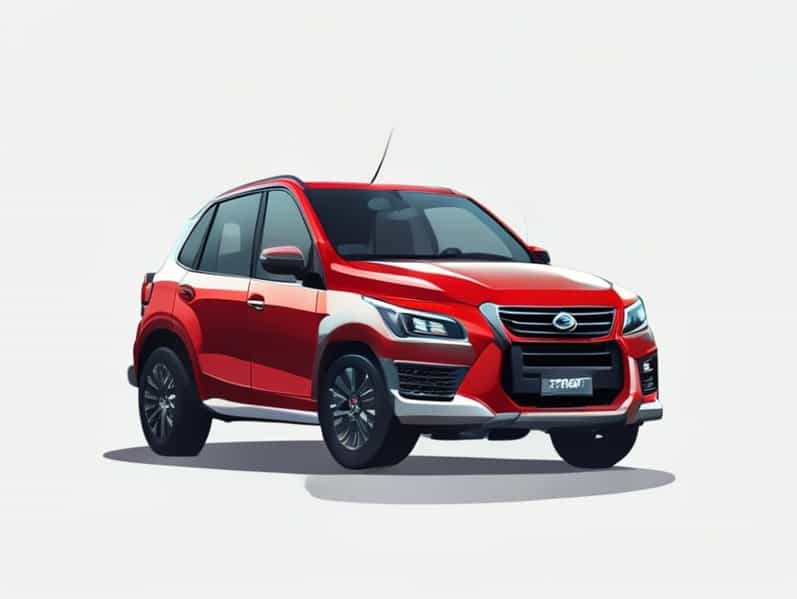
The Subaru Forester has been one of the most recognizable and enduring names in the compact SUV segment for more than two decades. Known for its rugged reliability, all-wheel-drive capability, and practical design, the Forester has evolved through multiple generations while maintaining its core appeal. Each generation introduced new technologies, improved performance, and enhanced comfort, reflecting Subaru’s commitment to balancing adventure-ready performance with everyday usability. Understanding the generations of the Subaru Forester offers insight into how this iconic model became a favorite among outdoor enthusiasts, families, and drivers seeking dependable versatility.
First Generation (1997 2002)
The first generation of the Subaru Forester was introduced in 1997 as a crossover that bridged the gap between a car and an SUV. Built on the Subaru Impreza platform, it combined the practicality of a wagon with the higher stance and ruggedness of a sport utility vehicle. At a time when the crossover concept was still new, the Forester stood out for its unique proportions and standard all-wheel-drive system.
Design and Features
The first-generation Forester featured a boxy and functional design with tall windows that provided excellent visibility. Its higher ground clearance and compact dimensions made it easy to handle both in cities and on rough terrains. Inside, the cabin offered a simple yet durable layout with comfortable seating for five passengers and a large cargo area.
Performance
Under the hood, the Forester came equipped with Subaru’s signature boxer engine a 2.5-liter flat-four producing around 165 horsepower. This engine layout provided a low center of gravity, improving stability and handling. Paired with Subaru’s symmetrical all-wheel drive, it offered impressive traction on various surfaces, making it popular among drivers in snowy or mountainous regions.
Second Generation (2003 2008)
The second-generation Subaru Forester built upon the solid foundation of its predecessor, bringing more refinement, safety features, and modern styling. Introduced in 2002 for the 2003 model year, this generation emphasized improved comfort and performance while maintaining the Forester’s adventurous spirit.
Upgraded Design and Comfort
This model featured smoother lines and a more aerodynamic body, giving it a slightly more contemporary look. The interior received major updates, including better materials, improved ergonomics, and more sound insulation to create a quieter cabin experience. Subaru also introduced new trim levels to appeal to different buyers from practical family users to performance-oriented drivers.
Performance Enhancements
The engine lineup included the standard 2.5-liter engine and, notably, the introduction of a turbocharged 2.5-liter engine in the Forester XT model. The turbocharged variant produced up to 210 horsepower, offering sports car-like performance in a compact SUV body. Safety improvements included additional airbags, ABS brakes, and Subaru’s enhanced all-wheel-drive system, further solidifying its reputation for safety and capability.
Third Generation (2009 2013)
In 2008, Subaru launched the third generation of the Forester, which marked a significant shift in design philosophy. The new Forester transitioned from a boxy wagon style to a more conventional compact SUV silhouette. This change aimed to attract a broader audience, including families who valued both space and versatility.
Design and Space
The third-generation Forester was larger than before, offering improved legroom, headroom, and cargo space. The higher seating position provided better road visibility and comfort for long drives. Subaru also focused on improving ride quality with a more refined suspension setup and better chassis rigidity.
Engine and Driving Dynamics
Two main engines were offered a 2.5-liter naturally aspirated engine and a 2.5-liter turbocharged engine for the sportier XT variant. The automatic transmission options became more responsive, and Subaru worked to reduce engine noise for a smoother driving experience. The standard all-wheel-drive system remained a key feature, ensuring confident handling in all weather conditions.
Fourth Generation (2014 2018)
The fourth-generation Subaru Forester, introduced in 2013 for the 2014 model year, brought a new level of sophistication and technology. Subaru retained the practicality and ruggedness of the Forester while incorporating modern conveniences and improved efficiency. This generation helped the Forester become one of the top choices in the compact SUV market.
Modern Styling and Advanced Features
The exterior design became more aerodynamic, with sharper headlights, a larger grille, and a more sculpted body. Inside, the cabin offered upgraded materials, better insulation, and an enhanced infotainment system with touchscreen functionality. Subaru also made the Forester one of the first in its lineup to feature the EyeSight driver-assist technology a suite of advanced safety systems including adaptive cruise control, lane departure warning, and pre-collision braking.
Improved Powertrain and Efficiency
The 2.5-liter engine continued as the base option, while a 2.0-liter turbocharged engine replaced the older turbo 2.5-liter model. The new engine offered similar performance with improved fuel efficiency. Subaru also introduced the Lineartronic continuously variable transmission (CVT), which provided smoother acceleration and better fuel economy compared to traditional automatics.
Fifth Generation (2019 Present)
The fifth-generation Subaru Forester debuted in 2018 for the 2019 model year and represented a major technological leap. Built on Subaru’s Global Platform, this version emphasized safety, comfort, and advanced connectivity. It retained its classic blend of utility and adventure, appealing to both urban drivers and outdoor enthusiasts.
Design and Interior Upgrades
The latest Forester features a more refined design with a wider stance, larger windows, and modern LED lighting. Inside, the cabin prioritizes comfort with soft-touch materials, improved seating support, and a user-friendly dashboard. The infotainment system includes smartphone integration through Apple CarPlay and Android Auto, along with multiple USB ports for convenience.
Performance and Safety
Powering the current Forester is a 2.5-liter direct-injection boxer engine producing 182 horsepower, paired with a CVT transmission. While Subaru no longer offers a turbocharged variant, this generation focuses on delivering smooth, efficient performance. The updated all-wheel-drive system, combined with features like X-Mode and Hill Descent Control, enhances the vehicle’s off-road and all-weather capabilities. EyeSight driver-assist technology now comes standard across all trims, solidifying the Forester’s reputation for safety.
Key Strengths Across All Generations
Throughout its evolution, the Subaru Forester has remained true to its core values practicality, reliability, and all-weather capability. Whether in its early boxy form or its current refined design, several traits have remained consistent across generations.
- Standard symmetrical all-wheel drive for superior traction and control.
- Durable boxer engines that enhance balance and handling.
- Spacious interiors and flexible cargo options for versatile use.
- Strong focus on safety and driver-assist technology.
- Commitment to fuel efficiency and long-term durability.
Evolution of the Forester’s Identity
Over the years, the Forester has transitioned from a rugged compact SUV aimed at adventure seekers to a more refined and technologically advanced family vehicle. Despite these changes, it has never lost its adventurous DNA. The combination of Subaru’s engineering excellence and customer-focused design philosophy has allowed the Forester to stay competitive in an ever-changing market.
The Future of the Forester
Looking ahead, Subaru is expected to continue evolving the Forester to meet future demands, including hybrid and electric powertrains. As environmental standards become stricter and consumer preferences shift toward sustainability, Subaru’s challenge will be to preserve the Forester’s rugged charm while embracing modern innovation. Upcoming generations are likely to feature enhanced connectivity, smarter safety systems, and greener technology.
The generations of the Subaru Forester tell the story of a vehicle that has continuously adapted to meet the needs of its drivers while staying true to its roots. From its humble beginnings in the late 1990s to its current role as a technologically advanced crossover, the Forester remains a symbol of dependability and adventure. Each generation has built upon the last, improving comfort, safety, and performance without sacrificing the qualities that make it uniquely Subaru. For anyone seeking a reliable SUV that thrives both on the road and off the beaten path, the Subaru Forester continues to be a trusted companion for every generation of drivers.