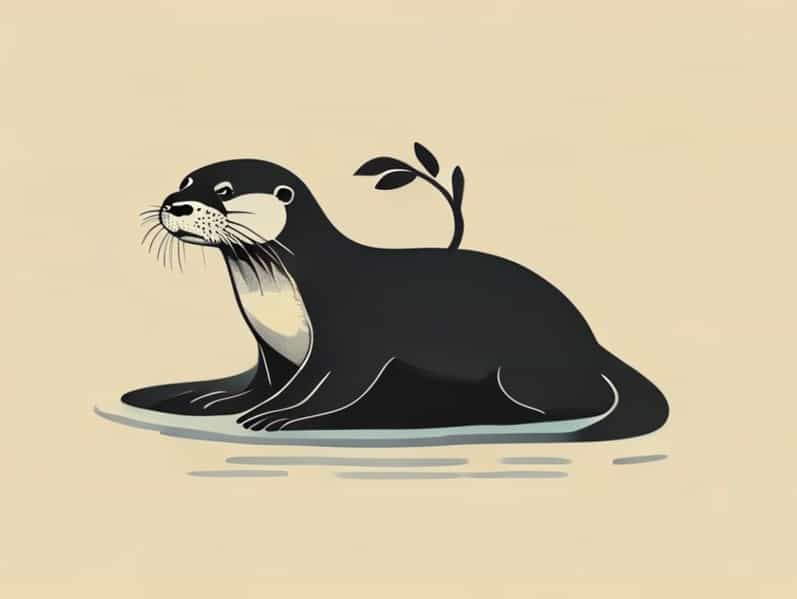
The giant Amazonian river otter is one of the most fascinating and powerful mammals living in the waterways of South America. Known for its size, intelligence, and cooperative hunting behavior, this remarkable creature plays a crucial role in the ecological balance of the Amazon River basin. Found primarily in Peru, Brazil, Colombia, and Guyana, the giant otter has become a symbol of the region’s wild beauty and biodiversity. Understanding its behavior, habitat, and challenges helps reveal the delicate relationship between wildlife and the Amazon’s changing environment.
Physical Characteristics of the Giant Amazonian River Otter
The giant Amazonian river otter, scientifically known asPteronura brasiliensis, is the largest member of the otter family. Adult males can reach lengths of up to 1.8 meters (about 6 feet) from head to tail and can weigh as much as 30 kilograms (66 pounds). Their sleek, muscular bodies are perfectly adapted for aquatic life, with thick, velvety fur that keeps them warm even in cool river waters.
One of their most recognizable features is the throat pattern each otter has a unique mark that functions much like a fingerprint, allowing individuals to recognize one another. Their webbed feet, streamlined bodies, and long tails make them agile swimmers capable of powerful movements underwater. These traits make the giant Amazonian river otter an apex predator within its habitat.
Habitat and Distribution
The giant Amazonian river otter inhabits the rivers, lakes, and swamps of the Amazon and Orinoco basins. They are typically found in areas with abundant fish and dense vegetation, which provides both food and shelter. Their range includes several countries across northern and central South America, including
- Brazil
- Peru
- Bolivia
- Colombia
- Venezuela
- Guyana
These otters prefer slow-moving or still waters with plenty of banks and overhanging vegetation where they can build dens. They dig burrows into the riverbanks or create resting areas under fallen logs. Because they are highly territorial, a family group will defend a stretch of river several kilometers long from other otter groups.
Diet and Hunting Behavior
Fish make up the majority of the giant Amazonian river otter’s diet. They are expert hunters, relying on keen eyesight and strong coordination when chasing prey underwater. In some areas, they also feed on crustaceans, small caimans, and anacondas, showcasing their strength and adaptability.
Cooperative Hunting
Unlike many carnivorous mammals, giant otters hunt cooperatively in family groups. A typical group consists of a breeding pair and their offspring from several years. This social structure allows them to coordinate hunting strategies, drive fish into shallow areas, and share their catch. This teamwork not only increases hunting success but also strengthens social bonds within the group.
Feeding Habits
After capturing a fish, the otter surfaces to eat it quickly, using its sharp teeth to tear through scales and flesh. They usually consume their prey headfirst to avoid being injured by sharp fins. Observers often describe their eating behavior as vigorous and focused, reflecting the energy demands of their active lifestyle.
Social Structure and Communication
The giant Amazonian river otter is one of the most social members of the Mustelidae family. Family groups can range from three to eight individuals, led by a dominant breeding pair. Communication plays a vital role in maintaining group harmony and coordination.
They use a variety of vocalizations, including whistles, growls, barks, and hums, to convey messages about alarm, play, or movement. Visual signals, such as raising the throat patch to display identification marks, are also common during interactions with other groups. This complex communication system highlights their intelligence and emotional depth.
Reproduction and Life Cycle
Breeding typically occurs during the dry season when river levels are stable. The gestation period lasts around 65 to 70 days, after which the female gives birth to two to five pups. The pups are born blind and helpless in dens built near the water’s edge.
Both parents, along with older siblings, participate in raising the young. They help feed, groom, and protect the pups until they are strong enough to swim and hunt independently. At around 10 weeks, the pups begin learning to swim, and by 14 weeks, they start participating in short hunting trips. Family bonds remain strong even as the young mature, with some staying close for years before dispersing to form new groups.
Ecological Importance
The giant Amazonian river otter serves a crucial role in maintaining the health of aquatic ecosystems. As top predators, they help regulate fish populations and prevent any single species from dominating the waterways. This balance ensures that smaller aquatic organisms and vegetation can thrive, supporting a stable food web.
Their presence also indicates a healthy river system. Because they rely on clean water and abundant fish, otters serve as natural indicators of environmental quality. A decline in their population often signals broader ecological issues such as pollution, overfishing, or deforestation.
Threats and Conservation Challenges
Despite their ecological importance, the giant Amazonian river otter faces serious threats that have drastically reduced its population over the past century. The species is currently classified as Endangered by the International Union for Conservation of Nature (IUCN).
Major Threats Include
- Habitat DestructionDeforestation, mining, and dam construction reduce the otters’ habitat and disrupt water systems.
- PollutionMercury from gold mining contaminates rivers, affecting fish populations and poisoning the otters indirectly.
- HuntingIn the past, otters were hunted extensively for their beautiful pelts. Although hunting has decreased, illegal poaching still occurs in remote areas.
- Human DisturbanceIncreasing tourism and boat traffic disturb breeding sites and limit access to safe resting areas.
Conservation Efforts
Several organizations and governments across South America have implemented conservation programs to protect the giant Amazonian river otter. National parks and protected reserves, such as Manu National Park in Peru and the Pantanal in Brazil, serve as critical refuges for these animals. Conservationists are also working to restore river habitats, monitor populations, and raise awareness among local communities about the otter’s ecological value.
Ecotourism has also emerged as a powerful conservation tool. When managed responsibly, it provides financial incentives for local communities to preserve natural habitats rather than exploit them. Education programs teach people about the importance of river otters and how to coexist peacefully with them.
Human Interaction and Cultural Significance
For indigenous communities living near the Amazon rivers, the giant otter holds cultural and spiritual importance. Many tribes view them as symbols of family unity and communication due to their strong social bonds. However, in some regions, myths and misunderstandings have led to fear or hostility toward otters, especially when they compete with humans for fish resources.
Modern conservation education is helping shift these perceptions, showing that healthy otter populations often indicate a healthy fish population as well. Cooperation between communities and conservationists remains essential for long-term survival.
Future Prospects
The future of the giant Amazonian river otter depends on a combination of legal protection, scientific research, and public awareness. Strengthening environmental laws, reducing pollution, and restoring river systems will be key to ensuring their survival. Continued collaboration among governments, researchers, and local people can create sustainable solutions that benefit both wildlife and humans.
The giant Amazonian river otter stands as a symbol of the Amazon’s natural wonder and resilience. Its intelligence, social behavior, and ecological role make it one of the most remarkable animals in South America. Yet, its survival hangs in the balance as human activity continues to threaten its habitat. Protecting this species means protecting the rivers that sustain life across the Amazon basin. By valuing and safeguarding the giant Amazonian river otter, humanity also takes an important step toward preserving one of the world’s richest ecosystems for generations to come.