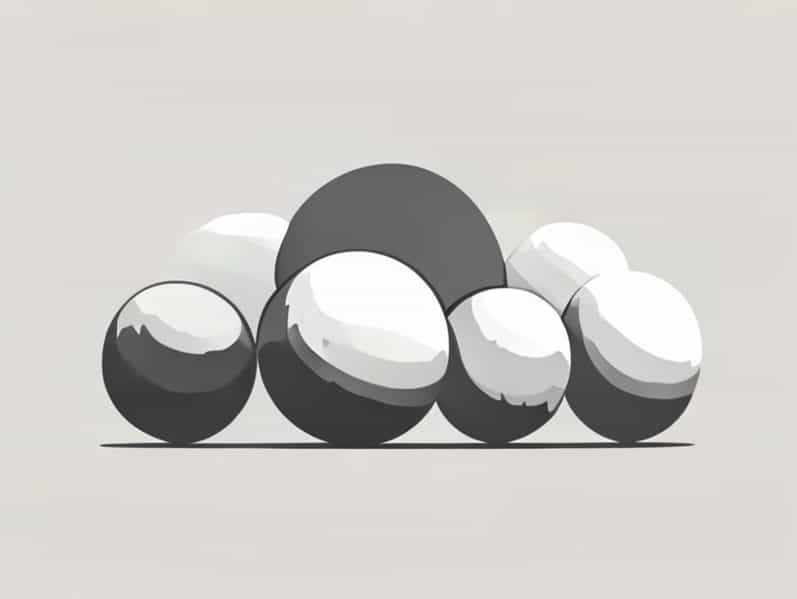
The giant puffball mushroom, scientifically known as Calvatia gigantea, is one of the most fascinating and recognizable fungi in the world. Found in meadows, woodlands, and grassy fields, this enormous mushroom can grow to the size of a soccer ball or even larger. Its round, white shape makes it stand out among other fungi, and its unique life cycle plays an important role in nature’s ecosystem. Understanding the life cycle of the giant puffball gives insight into how fungi reproduce, spread, and contribute to the environment.
Introduction to the Giant Puffball
The giant puffball is part of the Basidiomycota division of fungi, which includes mushrooms that reproduce through spores. Unlike typical mushrooms with stems and caps, the giant puffball forms a single, rounded fruiting body that contains billions of spores inside. When mature, it releases these spores into the air, continuing its life cycle. This fungus is not only fascinating biologically but also appreciated for its culinary and ecological value when harvested young.
During its early stages, the puffball is firm and white inside, making it edible and often sought after by foragers. However, once it begins to mature, the interior transforms into a mass of brown spores, signaling the reproductive phase. The transformation from a solid white sphere to a spore-filled organism is one of the most distinctive aspects of the giant puffball life cycle.
Stages of the Giant Puffball Life Cycle
The life cycle of a giant puffball follows the general pattern of fungal reproduction but with some remarkable differences in scale and form. It can be divided into several key stages spore dispersal, germination, mycelium growth, fruiting body development, and maturation.
1. Spore Dispersal
The life cycle of the giant puffball begins when mature puffballs release spores into the air. Each puffball can produce trillions of microscopic spores, carried away by the wind to new locations. The outer skin, called the peridium, eventually splits or develops openings that allow the spores to escape. When disturbed by wind, raindrops, or animals, the puffball releases a visible cloud of brown spores that looks like smoke.
These spores are extremely light and can travel long distances. However, only a small fraction of them land in suitable environments where they can germinate and start new fungal colonies.
2. Spore Germination
Once a spore lands on a favorable substrate usually nutrient-rich soil or decaying organic matter it begins to germinate. Under moist and warm conditions, the spore grows thin, thread-like filaments known as hyphae. These hyphae are the building blocks of the fungus and are responsible for absorbing nutrients from the surrounding environment.
When two compatible hyphae from different spores meet, they fuse to form a more complex structure known as a mycelium. This marks the start of a new fungal organism capable of producing fruiting bodies like the giant puffball.
3. Mycelium Growth and Expansion
The mycelium is the main living structure of the fungus and remains hidden beneath the surface. It can spread extensively through soil, decomposing organic material and forming networks that connect plants and trees. The mycelium of a giant puffball can persist for many years, slowly expanding and preparing for the right conditions to produce a fruiting body.
Environmental factors such as temperature, humidity, and nutrient availability influence when the mycelium decides to form a puffball. Typically, giant puffballs appear in late summer to early autumn after periods of rain. This stage demonstrates the resilience and adaptability of fungi in responding to their surroundings.
4. Formation of the Fruiting Body
When conditions are ideal, the mycelium channels its energy into forming the fruiting body the large, white sphere recognized as the puffball. This process happens relatively quickly, often within a few days. The puffball begins as a small, egg-like structure that rapidly swells as water and nutrients accumulate within.
Unlike many mushrooms that form caps and gills, the puffball remains spherical throughout its growth. Inside, tissue called gleba begins to form, which will eventually produce the spores. The outer layer of the puffball remains smooth and white during this stage, signaling that it is still immature and edible.
5. Maturation and Spore Production
As the puffball matures, dramatic changes occur inside. The gleba transforms from firm white flesh into a soft, olive-brown mass filled with millions of developing spores. The outer skin gradually thickens and may turn off-white or tan. When the puffball reaches full maturity, the peridium cracks open or develops a hole at the top, allowing the spores to be released.
At this point, the puffball has completed its main purpose spore production and dispersal. The once-solid mushroom becomes hollow and fragile, eventually collapsing as the spores are carried away by wind and rain to begin the cycle again.
Environmental Role of the Giant Puffball
The life cycle of the giant puffball contributes significantly to the ecosystem. As a decomposer, its mycelium breaks down organic material, recycling nutrients back into the soil. This process enriches the ground and supports plant growth, making puffballs an important part of forest and grassland ecosystems.
Additionally, by releasing massive quantities of spores, the puffball ensures its continued survival and genetic diversity. Even though only a few spores successfully germinate, this redundancy guarantees that new puffballs will appear year after year in suitable environments.
Factors Affecting the Puffball Life Cycle
Several environmental conditions influence how successfully the giant puffball completes its life cycle. These include
- MoisturePuffballs require damp soil for spore germination and mycelium growth. Dry conditions can delay or prevent fruiting body formation.
- TemperatureWarm days and cool nights are ideal for puffball development, especially in late summer or early fall.
- Soil compositionNutrient-rich, slightly acidic soil supports robust mycelium networks.
- Organic matterDecomposing leaves, wood, and grass provide food sources for the mycelium.
- DisturbancePhysical disruption, like animals or human activity, can help release spores and spread them to new areas.
Edibility and Human Interaction
The giant puffball is famous not only for its size but also for its edibility when young. Foragers look for firm, white puffballs before the spores begin to form. Once the interior turns yellow or brown, it becomes inedible. This short window of edibility reflects a brief stage in the puffball’s complex life cycle.
While harvesting puffballs can be rewarding, it’s important to correctly identify them, as immature forms of toxic mushrooms can resemble small puffballs. Proper identification ensures safety while allowing appreciation for the natural marvel that the puffball represents.
The giant puffball life cycle showcases the remarkable adaptability and complexity of fungi. From microscopic spores to massive fruiting bodies, each stage serves a purpose in maintaining ecological balance. Its transformation from a smooth white sphere to a spore-filled cloud is a striking reminder of nature’s continuous cycle of growth, decay, and renewal.
Understanding how the giant puffball lives and reproduces deepens appreciation for the unseen world of fungi. These organisms, often overlooked, play vital roles in sustaining ecosystems, enriching soil, and even offering culinary delights. The giant puffball, with its impressive size and simple yet sophisticated life cycle, stands as one of nature’s most fascinating wonders.