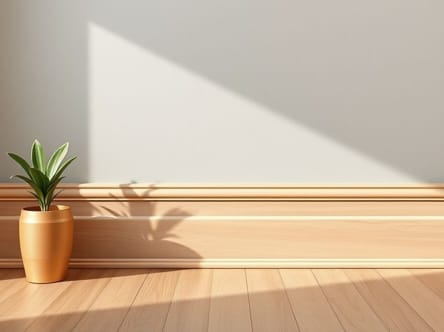
When renovating or redecorating a room, choosing the right finish for skirting boards can make a significant difference in both style and durability. Skirting boards not only protect walls from kicks, scuffs, and furniture but also provide a visual transition between floor and wall. Among the many decisions a homeowner faces is whether to use gloss or satinwood paint. Each finish has its own appearance, advantages, and maintenance needs, making it important to understand the differences before committing to one. Your choice can subtly influence the room’s aesthetics, lighting, and even how often you’ll need to repaint.
Understanding Paint Finishes: Gloss vs Satinwood
What Is Gloss Paint?
Gloss paint is known for its shiny, reflective finish. It is one of the most durable types of paint, often used in high-traffic areas. Gloss enhances light reflection in a room, which can make spaces appear brighter. However, because of its high sheen, it also highlights imperfections such as dents, scratches, and brush strokes.
What Is Satinwood Paint?
Satinwood offers a softer, mid-sheen finish. It sits somewhere between matte and gloss in terms of reflectivity, creating a subtle shine that doesn’t overpower a room. It tends to conceal minor imperfections better than gloss and provides a more modern and understated look, especially popular in contemporary interior design.
Key Factors to Consider
1. Aesthetic Preferences
Appearance is usually the first thing people consider. If you prefer a high-shine, polished look that stands out, gloss may be the way to go. Glossy skirting boards can complement traditional or formal decor styles. On the other hand, if you want a more muted, elegant look, satinwood delivers a clean, smooth appearance without too much shine. It fits well with modern, minimalist interiors where the goal is subtle sophistication.
2. Durability and Maintenance
Durability is another critical aspect. Gloss paint is generally tougher than satinwood and holds up better to repeated cleaning. If your skirting boards are likely to suffer from scuffs such as in hallways or kids’ rooms gloss may be more suitable. It resists moisture and is easy to wipe clean, making it a favorite for kitchens and bathrooms.
That said, satinwood is no slouch when it comes to durability. Modern satinwood formulas are often washable and resistant to wear, though perhaps slightly less robust than gloss. For areas with moderate traffic or where aesthetics are more important than rugged durability, satinwood remains a solid option.
3. Surface Imperfections
One major difference between gloss and satinwood is how they handle imperfections. Gloss finishes amplify every flaw on a surface. If your skirting boards are older or have noticeable dents, filling and sanding them becomes crucial before applying gloss. Satinwood, with its lower reflectivity, is more forgiving of less-than-perfect surfaces.
4. Application and Drying
Gloss paint can be more challenging to apply smoothly. It tends to show brush marks and requires careful technique for best results. It also takes longer to dry, which can slow down your project. Satinwood is generally easier to work with, dries faster, and tends to self-level better, producing a more even finish with less effort.
Room-by-Room Recommendations
- Living Room or Bedroom: Satinwood is often preferred in these areas due to its softer look and less reflective finish.
- Kitchen or Bathroom: Gloss may be the better choice thanks to its resistance to moisture and frequent cleaning.
- Hallways and Staircases: These high-traffic areas may benefit from gloss for its durability, but satinwood can also suffice if scuff marks are not a big concern.
Environmental Considerations
Both gloss and satinwood come in oil-based and water-based formulations. Water-based options are more environmentally friendly, have less odor, and dry quicker. However, oil-based versions generally provide a more durable finish. For those conscious about sustainability and indoor air quality, water-based satinwood is a popular compromise between aesthetics, ease of use, and environmental impact.
Touch-Ups and Longevity
How Often Will You Need to Repaint?
Gloss paint may outlast satinwood in terms of wear and tear, especially in demanding environments. However, due to its reflective nature, any damage or discoloration will be more obvious. Satinwood may show less dirt or yellowing over time, particularly if you use a high-quality brand. With proper surface preparation and high-grade paint, both finishes can last several years without requiring a touch-up.
Ease of Maintenance
Cleaning is another factor. Gloss skirting boards can be wiped down easily with a damp cloth and mild detergent, making them ideal for households with pets or children. Satinwood also cleans up reasonably well, although it may not handle abrasive scrubbing as effectively as gloss.
Cost Comparison
Price is often comparable between the two types of paint, though gloss can sometimes be slightly more expensive due to its durability features. Labor costs may also increase with gloss, given the extra time needed for surface prep and careful application. If you’re hiring professionals, satinwood might reduce total labor hours thanks to easier handling.
Choosing the Best Finish for Your Skirting Boards
Deciding between gloss or satinwood for skirting boards depends on a mix of personal preference, room function, and practicality. If you want a high-shine, durable, and easy-to-clean finish for busy or wet areas, gloss paint is the clear winner. If your goal is a modern, elegant appearance that still provides decent durability without excessive shine, satinwood is an excellent alternative.
Many homeowners find that using gloss in utility spaces and satinwood in living areas offers the best of both worlds. Ultimately, both finishes have their place, and selecting the right one will enhance your room’s overall feel while ensuring long-lasting results.