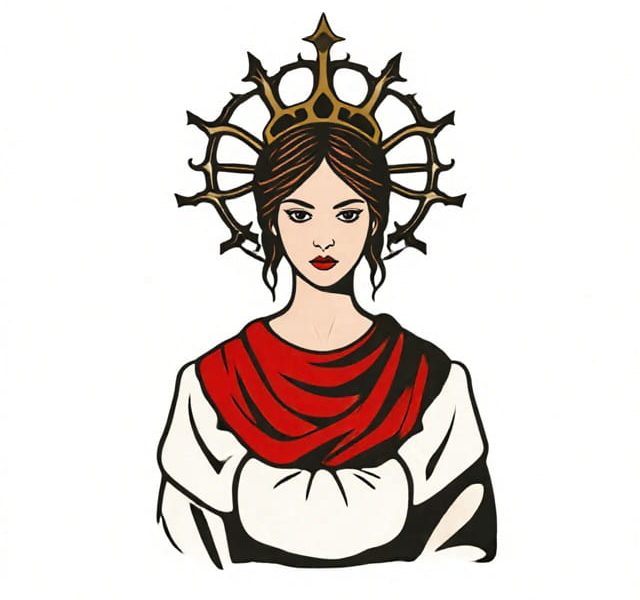
Her Maidservant with the Head of Holofernes is a striking theme that has captivated audiences and art historians for centuries. Rooted in a biblical story from the Book of Judith, this subject has been interpreted by numerous painters, most notably Artemisia Gentileschi, a female Baroque artist renowned for her bold depictions of female strength and resistance. The scene typically portrays Judith, the heroine, accompanied by her loyal maidservant, as they carry the severed head of the Assyrian general Holofernes. This moment is not just a dramatic episode of triumph but also a visual symbol of justice, sacrifice, and empowerment. Through bold contrasts of light and shadow, intense emotional expression, and symbolic detail, this subject has become a powerful representation of the female experience in art and storytelling.
The Biblical Story of Judith and Holofernes
To fully appreciate Her Maidservant with the Head of Holofernes, one must first understand the origin of the narrative. The story comes from the deuterocanonical Book of Judith. In it, Judith is a beautiful and devout widow who saves her people by seducing and beheading Holofernes, an Assyrian general threatening her city, Bethulia.
Accompanied only by her maidservant, Judith enters the enemy camp under the pretense of aiding the general. After gaining his trust, she waits until he is drunk and asleep before decapitating him with his own sword. The maidservant plays a crucial role she assists in the act, helps conceal the severed head, and supports Judith in their escape. This partnership emphasizes loyalty, courage, and silent strength.
Artistic Depictions Through History
The subject of Judith and her maidservant with the head of Holofernes has been portrayed in many famous artworks, primarily during the Renaissance and Baroque periods. These interpretations often reflect the societal views of women, religion, and justice of their time.
- Artemisia Gentileschicreated some of the most iconic renditions. In her paintings, the maidservant is not passive; she is alert, active, and shares in Judith’s resolve.
- Caravaggioalso painted Judith, though often with less emphasis on the maid, highlighting a different perspective of the story.
- Cristofano Allori‘s version of ‘Judith with the Head of Holofernes’ shows the maidservant carrying the head in a velvet bag, emphasizing the aftermath of the act rather than the violence itself.
Each interpretation varies in emotional tone some are focused on the horror of violence, others on the calmness and dignity of the women. But all acknowledge the essential presence of the maidservant, often a symbol of the unsung strength that aids heroic acts.
Symbolism and Themes
The imagery in Her Maidservant with the Head of Holofernes is loaded with symbolic meaning. The severed head represents the triumph of virtue over brutality, while Judith and her maidservant embody faith, cunning, and feminine strength. This subject often evokes a reaction not just for its gore, but for its emotional power and its challenge to traditional gender roles.
Dual Power of Judith and Her Maidservant
Rather than a solitary act of heroism, the presence of the maidservant highlights the theme of female solidarity. She is not merely a background figure she is a co-conspirator, an accomplice, and a witness. This changes the narrative from individual triumph to shared courage. Together, the two women display a partnership built on trust and resilience.
Gender, Justice, and Violence
Many scholars interpret the Judith story as a critique or inversion of masculine power. The violent act, performed by a woman, unsettles viewers and challenges the viewer’s assumptions about strength, agency, and morality. The maidservant’s composed demeanor often contrasts with the brutality of the act, suggesting a quiet acceptance of what must be done to secure justice.
Visual Elements in the Paintings
The compositions that depict this scene use several visual techniques to heighten the impact:
- Chiaroscuro: The dramatic use of light and shadow brings emotional intensity, often focusing on the faces of Judith and the maidservant.
- Color symbolism: Rich reds, golds, and deep blacks are commonly used to emphasize blood, wealth, and death.
- Facial expressions: Judith may appear serene or determined, while the maidservant often looks vigilant or concerned, conveying different layers of psychological complexity.
- Physical positioning: The maidservant is frequently placed beside or behind Judith, physically supporting her or handling the gruesome evidence.
These visual strategies not only draw attention to the dramatic moment but also humanize the characters, inviting viewers to consider their motives and emotional states.
Modern Interpretations and Relevance
Today, Her Maidservant with the Head of Holofernes continues to inspire artists, writers, and feminists. It is seen as an early portrayal of female empowerment and resistance. In the modern context, Judith and her maidservant are often reinterpreted through lenses such as trauma recovery, gender politics, and justice reform.
Contemporary artists have revisited the subject to highlight issues of domestic violence, oppression, and the silencing of women. In this light, the maidservant becomes a symbol of those who support and stand beside survivors, helping them regain control and strength.
Educational and Cultural Impact
This theme is widely studied in art history, literature, and theology courses. It sparks discussions on visual storytelling, historical representation of women, and the moral ambiguity of violence for a just cause. Museums often showcase works on Judith and her maidservant as part of broader exhibitions on biblical art or female representation in history.
A Timeless Image of Strength and Loyalty
Her Maidservant with the Head of Holofernes is more than just a dramatic moment captured in paint. It is a complex visual and narrative representation of courage, loyalty, and justice. The inclusion of the maidservant elevates the story from an individual act of heroism to a tale of shared resistance and quiet strength. Through centuries of artistic interpretation, this theme continues to resonate reminding us that behind every bold action, there may be another figure offering silent but essential support.