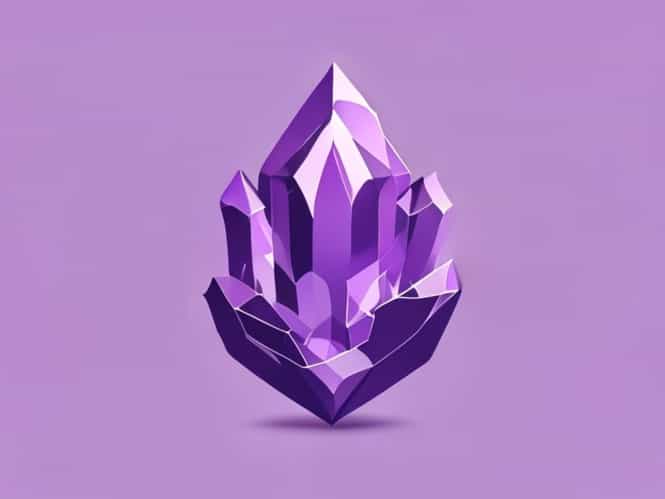
Amethyst is a gemstone celebrated for its striking purple hue, ranging from pale lavender to deep violet, and has fascinated humans for centuries for both its beauty and symbolism. Many people wonder how amethyst is purple and what causes this unique coloration that distinguishes it from other quartz varieties. The purple shade of amethyst is not just visually appealing but also carries historical, cultural, and metaphysical significance. Understanding why amethyst is purple involves exploring its chemical composition, crystal structure, natural formation process, and the subtle interactions of light with the mineral itself. The richness of its color is influenced by trace elements and natural irradiation, making each gemstone unique in shade and intensity.
Chemical Composition of Amethyst
Amethyst is a variety of quartz, which is primarily composed of silicon dioxide (SiO₂). While pure quartz is colorless, amethyst obtains its characteristic purple color from trace amounts of iron (Fe³⁺) incorporated into the crystal structure. These iron impurities, along with exposure to natural radiation from surrounding rocks during the crystal’s formation, lead to the development of the violet and purple tones. The specific combination of iron content and the extent of irradiation determines whether the gemstone appears light lavender or deep royal purple.
Role of Iron Impurities
Iron plays a crucial role in the coloration of amethyst. The iron ions replace some of the silicon atoms in the quartz lattice. This substitution creates a unique environment where electrons can interact with light in specific ways. When sunlight or artificial light hits the crystal, these electrons absorb certain wavelengths of light and reflect others, producing the purple hue. The more uniform the iron distribution and irradiation, the richer and more vivid the purple color appears.
Natural Irradiation and Color Formation
Natural irradiation is another key factor in why amethyst is purple. As amethyst crystals form in volcanic rocks or geodes, they are often exposed to gamma rays and other forms of radiation from nearby radioactive minerals. This radiation interacts with the iron impurities, altering their oxidation state and creating color centers within the crystal lattice. These color centers are responsible for absorbing specific parts of the light spectrum, which makes the gemstone appear purple to the human eye. Without this irradiation, the quartz would remain colorless or pale.
Variation in Purple Shades
The intensity of amethyst’s purple color can vary widely depending on the concentration of iron and the amount of natural radiation it receives. Some crystals exhibit a deep, almost violet-purple, while others may display a soft lavender or lilac hue. Amethyst from different regions may have distinctive shades due to variations in geological conditions. For example, amethyst from Siberia is often highly saturated with a deep purple color, whereas Brazilian amethyst may show lighter lavender tones.
Crystal Structure and Light Interaction
Amethyst’s crystal structure also contributes to its purple appearance. Quartz crystals form in a trigonal system, creating a lattice that allows light to interact in a specific way with the iron impurities. As light enters the crystal, it is refracted, scattered, and partially absorbed by the iron-related color centers. This complex interplay of light and the crystal lattice enhances the depth and vibrancy of the purple color, giving amethyst its captivating brilliance. The orientation and cut of the gemstone can further influence how light interacts with it, sometimes intensifying or softening the purple hue.
Effects of Heat on Color
Interestingly, the purple color of amethyst can be altered by heat. When heated to temperatures between 400 and 500 degrees Celsius, amethyst may change color to yellow, orange, or even green, depending on the specific composition and conditions. This heat-induced transformation occurs because heating modifies the iron oxidation state and disrupts the original color centers. Gemstone enthusiasts and jewelers sometimes use controlled heat treatment to enhance or change the color of amethyst for decorative purposes, but naturally occurring purple amethyst remains highly prized.
Geographical Sources of Purple Amethyst
Amethyst is found in many regions worldwide, and the geological environment of each location can influence the gemstone’s purple coloration. Some of the most renowned sources include
- BrazilKnown for large deposits with pale to medium purple tones, often used for both jewelry and decorative stones.
- UruguayProduces deep, rich purple amethyst, highly valued for its intense color saturation.
- ZambiaZambian amethyst is famous for its vibrant, darker shades with slight blue undertones.
- RussiaParticularly Siberian amethyst, prized for deep violet hues often with red flashes.
- South Korea and IndiaSmaller deposits producing lighter lavender or pale purple stones.
The natural variations in iron content, radiation exposure, and formation conditions across these locations create a broad spectrum of purple shades, allowing collectors and jewelers to select stones that best suit aesthetic preferences.
Historical and Cultural Significance
The purple color of amethyst has long been associated with royalty, spirituality, and protection. Ancient civilizations valued amethyst for its deep violet hue, often using it in crowns, jewelry, and ceremonial objects. In ancient Greece and Rome, amethyst was believed to prevent intoxication and promote clarity of mind. In the Middle Ages, amethyst was a symbol of power and wealth, frequently worn by clergy and monarchs. Even today, the gemstone’s purple color conveys elegance, sophistication, and spiritual significance, contributing to its enduring popularity.
Metaphysical Associations
In metaphysical traditions, amethyst’s purple color is thought to enhance intuition, calm the mind, and protect against negative energies. The stone is often used in meditation, spiritual rituals, and healing practices. The purple hue is linked with the crown chakra, which represents higher consciousness and connection to the divine. While these beliefs are symbolic, they underscore the importance of color in human perception and cultural meaning.
Amethyst in Jewelry
The striking purple color of amethyst makes it a versatile gemstone for jewelry. It is commonly used in rings, necklaces, earrings, and bracelets, either as a central gemstone or in combination with other stones. The depth and intensity of the purple color influence the stone’s value and appeal, with darker, more saturated stones generally considered more desirable. Jewelry designers often cut amethyst in various shapes, such as oval, round, pear, or cushion, to enhance light reflection and showcase the purple hue effectively.
Enhancing the Purple Color
Jewelers may use certain techniques to enhance amethyst’s purple shade, including precise faceting to maximize brilliance and controlled heat treatment. While natural, untreated amethyst is most highly prized, these enhancements allow for consistent color and improved visual impact, making the gemstone accessible to a wider audience.
The purple color of amethyst is the result of a fascinating combination of chemical composition, iron impurities, natural irradiation, crystal structure, and geological formation conditions. Its varying shades, from soft lavender to deep violet, reflect both natural processes and human appreciation of color. Beyond its physical properties, amethyst’s purple hue carries historical, cultural, and metaphysical significance, symbolizing royalty, protection, and spiritual awareness. Whether used in jewelry, collected as a mineral specimen, or admired for its beauty and meaning, amethyst remains a gemstone that captivates people worldwide with its distinctive purple color and enduring charm.