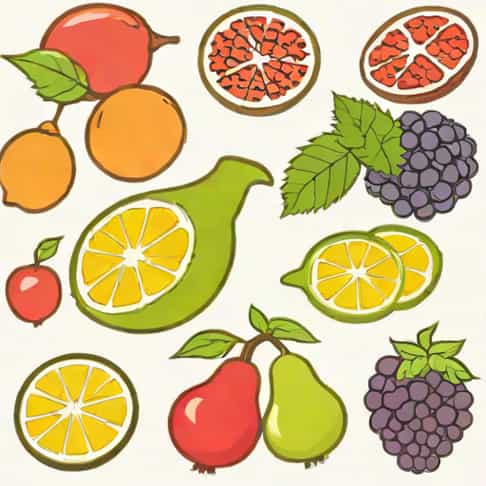
Hybrid fruits have become increasingly popular among gardeners and fruit enthusiasts for their unique flavors, textures, and appearances. One well-known hybrid is the aprium, which is a cross between an apricot and a plum. Apriums combine the sweetness of apricots with the juiciness of plums, resulting in a distinctive fruit that is enjoyed fresh, in desserts, or preserved. However, there are several other hybrid fruits that share similarities with apriums in taste, texture, or appearance. Understanding these hybrids, their origins, cultivation, and culinary uses offers insight into the diversity of modern fruit breeding and the creative possibilities of combining different fruit species.
What is an Aprium?
An aprium is a hybrid fruit that is primarily apricot in its characteristics but has some plum traits. It is typically sweeter and less tart than a plum, with a soft, juicy flesh and a thin skin that can range from yellow to reddish in color. The aprium is developed through selective crossbreeding, usually by pollinating apricot flowers with plum pollen. The resulting fruit retains more apricot characteristics than plum, differentiating it from related hybrids like the pluot, which leans more toward plum flavor and texture. Apriums are often enjoyed fresh, in baked goods, jams, and even salads, providing a versatile addition to fruit selections.
Characteristics of Apriums
- Sweet flavor with mild tartness
- Soft, juicy flesh
- Thin, smooth skin
- Mostly apricot traits with hints of plum
- Available in a range of colors, from yellow to red
Hybrid Fruits Similar to Apriums
Several hybrid fruits share similarities with apriums due to their combination of apricot and plum traits. These fruits are developed to enhance sweetness, improve texture, or extend the fruiting season. While each hybrid has distinct characteristics, they all fall within the category of interspecific stone fruit hybrids and are prized for their unique flavors.
Pluots
Pluots are perhaps the closest relatives to apriums. Unlike apriums, which are more apricot-like, pluots lean more toward plum characteristics while retaining some apricot flavor. They are typically rounder than apriums, with a smoother skin and deeper purple or red coloring. Pluots are very sweet, juicy, and often eaten fresh. They are also excellent for jams and desserts, similar to apriums.
Nectaplums
Nectaplums are a hybrid between nectarines and plums. These fruits are similar to apriums in that they combine flavors and textures from two different stone fruits. Nectaplums tend to have a sweet, slightly tangy flavor, a smooth skin like nectarines, and juicy flesh reminiscent of plums. They can be used in fresh eating, baking, and preserves, offering versatility comparable to apriums.
Plumcots
Plumcots are another plum-apricot hybrid but are typically the first generation, meaning they have a more balanced combination of apricot and plum traits. While apriums are often more apricot than plum, plumcots offer an intermediate flavor, blending the tartness of plums with the sweetness of apricots. Plumcots are smaller than some apriums and pluots and are highly flavorful. They can be eaten fresh, used in fruit salads, or cooked into desserts.
Cultivation and Growing Conditions
Hybrid fruits like apriums, pluots, nectaplums, and plumcots require careful cultivation to thrive. They typically need a temperate climate, full sun exposure, and well-drained soil. Stone fruit hybrids benefit from regular watering during the growing season and pruning to maintain shape and encourage fruit production. Many hybrids are grafted onto rootstocks to improve disease resistance, growth habits, and fruit yield. Growers often select specific varieties based on desired flavor profiles, fruit size, and harvesting times.
Care Tips for Hybrid Fruits
- Plant in full sun with at least 6-8 hours of daily sunlight
- Use fertile, well-draining soil
- Water consistently, especially during dry periods
- Prune annually to maintain tree health and improve fruit yield
- Protect from pests and diseases common to stone fruits, such as brown rot or aphids
- Harvest when fruit is fully ripe to enjoy optimal flavor and sweetness
Culinary Uses
Hybrid fruits similar to apriums are versatile in culinary applications. Their sweet and juicy flesh makes them ideal for fresh consumption, while their slightly tart undertones can enhance desserts and preserves. These fruits are often used in pies, tarts, cobblers, jams, and smoothies. Additionally, they can be grilled or roasted to bring out their natural sweetness, making them a popular choice for gourmet dishes and fruit salads. Their unique flavor profiles also allow them to pair well with cheeses, nuts, and herbs in creative recipes.
Fresh Consumption
- Eaten raw as a snack or part of a fruit platter
- Added to fruit salads for sweetness and juiciness
- Used as a topping for yogurt, cereal, or desserts
Cooking and Baking
- Baked into pies, tarts, and cobblers
- Made into jams, jellies, and preserves
- Grilled or roasted as a dessert or side dish
- Blended into smoothies or sauces for added flavor
Nutritional Benefits
Hybrid fruits like apriums and similar varieties offer several nutritional benefits. They are rich in vitamins, particularly vitamin C and vitamin A, and provide dietary fiber, antioxidants, and natural sugars. These fruits support immune health, promote digestion, and contribute to overall wellness. Because they are low in calories and high in nutrients, they are an excellent choice for healthy snacking and incorporating into a balanced diet.
Health Benefits
- High in antioxidants, which combat free radicals
- Good source of dietary fiber to aid digestion
- Provides essential vitamins and minerals for immune support
- Low in calories, making them suitable for weight management
- Natural sugars provide quick energy without processed additives
Hybrid fruits similar to apriums, such as pluots, nectaplums, and plumcots, offer a delightful combination of flavors, textures, and colors that appeal to both casual fruit lovers and culinary enthusiasts. These fruits combine the sweetness of apricots with the juiciness and subtle tartness of plums, creating unique taste experiences. Their versatility in cooking and baking, combined with their nutritional benefits, makes them a valuable addition to any diet. For gardeners, understanding the growing requirements and care tips for these hybrids ensures a bountiful harvest, while for consumers, exploring different varieties allows for the enjoyment of a wide range of delicious and healthy fruit options. Hybrid fruits like apriums represent the exciting possibilities of modern fruit breeding, merging traditional flavors into new and enjoyable combinations.