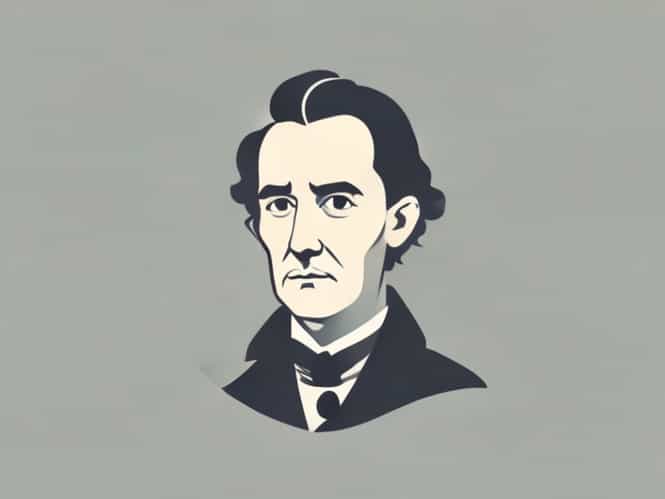
Hans Christian Ãrsted was a pioneering Danish scientist whose groundbreaking work in physics and chemistry fundamentally changed the understanding of natural forces. Born in the late 18th century, Ãrsted is best known for discovering the connection between electricity and magnetism, a revelation that laid the foundation for modern electromagnetism. His discoveries not only influenced contemporary scientists but also had a profound impact on technological advancement, education, and the philosophy of science. Learning about Hans Christian Ãrsted provides insight into a life dedicated to curiosity, experimentation, and the pursuit of knowledge, illustrating how one individual’s work can shape the understanding of the natural world for generations.
Early Life and Education
Hans Christian Ãrsted was born on August 14, 1777, in Rudkøbing, Denmark. From a young age, he displayed exceptional intellectual curiosity and a keen interest in natural phenomena. Ãrsted’s father, a pharmacist, encouraged him to explore the sciences, exposing him to chemistry and medicine. This early exposure laid the groundwork for Ãrsted’s lifelong passion for research and experimentation. He enrolled at the University of Copenhagen, initially studying medicine, but his interests soon expanded to physics and chemistry. Ãrsted’s education was influenced by the Enlightenment principles of reason, observation, and empirical study, which shaped the intellectual climate of Europe at the time.
Academic Career and Teaching
After completing his studies, Ãrsted began a career in teaching and research. He quickly gained recognition for his ability to explain complex scientific concepts clearly and effectively. As a lecturer and later as a professor at the University of Copenhagen, Ãrsted emphasized the integration of theoretical understanding with practical experimentation. His teaching style inspired students to pursue scientific inquiry with curiosity and rigor, and he became known for fostering innovation and critical thinking among young scholars. Ãrsted’s dedication to education extended beyond the classroom, influencing public understanding of science and the development of scientific institutions in Denmark.
Major Scientific Achievements
Hans Christian Ãrsted is most famous for his discovery of the relationship between electricity and magnetism. In 1820, during a lecture demonstration, he observed that a compass needle moved when placed near a wire carrying an electric current. This simple but profound observation revealed that electric currents produce magnetic fields, a discovery that challenged existing scientific theories and paved the way for future research in electromagnetism. Ãrsted’s work directly inspired other scientists, including André-Marie Ampère and Michael Faraday, leading to the development of technologies such as electric motors, generators, and modern communication systems.
Contributions to Chemistry
In addition to his work on electromagnetism, Ãrsted made significant contributions to chemistry. He conducted experiments to isolate and study various chemical substances, advancing the understanding of chemical reactions and the properties of elements. His research included work on gases, metals, and compounds, reflecting his broad interest in natural phenomena. Ãrsted’s meticulous experimental methods and dedication to careful observation helped establish standards for scientific inquiry, influencing both contemporary and future chemists.
Philosophical and Intellectual Influence
Ãrsted’s influence extended beyond empirical science to the philosophy of nature. He believed that scientific study could reveal the interconnectedness of all natural forces and that understanding these forces was essential to understanding the universe. Ãrsted argued that science and philosophy were complementary, with observation and experimentation providing insights into fundamental truths. His writings often explored the moral and intellectual implications of scientific discovery, emphasizing that the pursuit of knowledge should enhance human understanding and contribute to societal progress.
Recognition and Honors
Hans Christian Ãrsted received numerous honors during his lifetime for his contributions to science. He was a member of several scientific societies across Europe and was widely celebrated for his discovery of electromagnetism. Institutions, awards, and monuments have been established in his honor, particularly in Denmark, reflecting the lasting impact of his work. Ãrsted’s discoveries are commemorated in the naming of the unit of magnetic field strength, the oersted, symbolizing his enduring influence in the fields of physics and engineering.
Personal Life and Character
Ãrsted was known for his humility, curiosity, and commitment to education. Despite his scientific achievements, he remained approachable and dedicated to mentoring students and collaborating with fellow researchers. He valued ethical conduct in science and believed that discoveries should serve the greater good. Ãrsted’s personal character combined intellectual brilliance with integrity and compassion, making him a respected figure both in scientific circles and in society at large. His commitment to knowledge and humanistic values continues to inspire educators and researchers today.
Legacy and Continuing Impact
The legacy of Hans Christian Ãrsted is profound and multifaceted. His discovery of the relationship between electricity and magnetism laid the groundwork for the modern field of electromagnetism and has had lasting implications in technology, engineering, and physics. Ãrsted’s approach to teaching and scientific inquiry influenced the development of educational systems and inspired generations of scientists to pursue rigorous experimentation and critical thinking. His philosophical reflections on the unity of natural forces continue to resonate, highlighting the interconnectedness of scientific discovery, intellectual curiosity, and ethical responsibility.
Hans Christian Ãrsted remains a pivotal figure in the history of science. Born in 1777 in Denmark, his work in electromagnetism and chemistry transformed the understanding of natural forces and influenced technological development worldwide. Ãrsted’s discoveries demonstrated the connection between electricity and magnetism, paving the way for innovations that shape modern life. Beyond his scientific contributions, his dedication to education, philosophy, and ethical research practices exemplifies the enduring impact of intellectual curiosity and human inquiry. Learning about Hans Christian Ãrsted provides a comprehensive understanding of how one individual’s passion for discovery can leave a lasting mark on science, society, and human understanding.