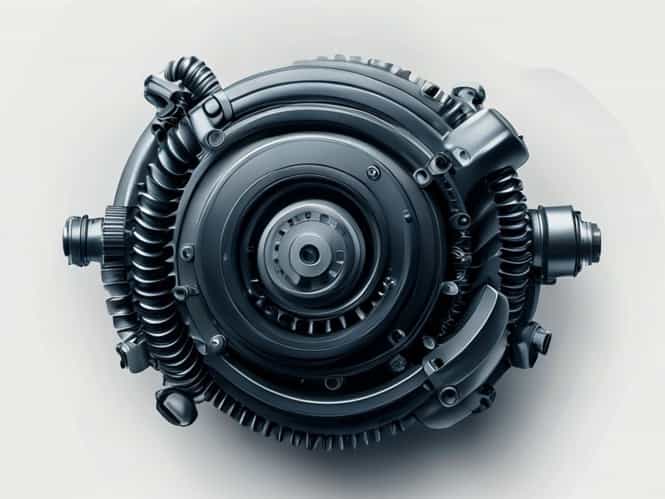
In industrial and mechanical applications, compressors play a crucial role in compressing gases for various purposes such as refrigeration, air conditioning, and pneumatic systems. When dealing with high-pressure requirements, engineers often use multistage compressors, which divide the compression process into several stages to improve efficiency. A key component that enhances the performance of such systems is the intercooler. The intercooler in a multistage compressor helps reduce the temperature of the compressed air between stages, resulting in improved efficiency, reduced energy consumption, and longer equipment life. Understanding how the intercooler works and why it is essential provides valuable insight into modern engineering design and energy management.
What is a Multistage Compressor?
A multistage compressor is a type of compressor that compresses gas in two or more stages. Instead of compressing the air in a single step, the process is divided into multiple stages, each followed by a cooling step. This design is especially beneficial when high pressures are required because compressing gas in smaller steps reduces the amount of work needed and minimizes heat buildup. Each stage has its own cylinder or rotor, depending on the compressor type, and the air moves from one stage to the next through pipes and valves.
As air is compressed, its pressure increases, but so does its temperature. Without any cooling between stages, the air entering the next compression stage would already be hot, requiring more energy to reach the desired pressure. This is where the intercooler becomes essential.
Role of the Intercooler in a Multistage Compressor
An intercooler is a heat exchanger placed between two compression stages. Its primary function is to cool the compressed air before it enters the next stage. When the air is cooled, its density increases, meaning more air can be compressed in the next stage with less work and energy. This process also helps protect the compressor from overheating, improving its overall performance and reliability.
Basic Working Principle of the Intercooler
The working principle of an intercooler is based on heat exchange. Hot compressed air from the first stage passes through the intercooler, where it is exposed to cooling media, usually water or air. The heat from the compressed air transfers to the cooling medium, reducing the air temperature. Once cooled, the air is directed to the next compression stage for further pressure increase.
The cooling process is crucial because the work required to compress gas depends on its temperature. Lowering the temperature between stages means the next stage starts with cooler air, reducing the energy needed for further compression. This leads to higher efficiency and cost savings.
Types of Intercoolers Used in Multistage Compressors
Different designs of intercoolers are used depending on the system requirements, operating environment, and desired cooling efficiency. The two most common types are air-cooled and water-cooled intercoolers.
- Air-Cooled IntercoolerIn this type, ambient air is used to cool the compressed air. Fins and tubes increase the surface area, allowing more effective heat transfer. Air-cooled intercoolers are simple to maintain and ideal for locations where water supply is limited.
- Water-Cooled IntercoolerThese use water as the cooling medium. The hot compressed air passes through tubes surrounded by water, which absorbs the heat. Water-cooled systems are more efficient than air-cooled ones and are commonly used in large industrial installations where continuous cooling is required.
Other Intercooler Designs
Some systems also use shell-and-tube or plate-type heat exchangers as intercoolers. The choice depends on factors like pressure range, space availability, cost, and maintenance requirements. Shell-and-tube intercoolers are particularly common in high-pressure and large-capacity compressors because they provide robust construction and efficient cooling.
Benefits of Using an Intercooler in a Multistage Compressor
The inclusion of an intercooler in a multistage compressor offers several advantages that improve both performance and longevity of the system. Below are some of the key benefits
- Improved EfficiencyCooling the air between stages reduces the work required in subsequent compression stages. This lowers the total power consumption of the compressor.
- Reduced Discharge TemperatureThe final discharge temperature is significantly lower, preventing excessive heat that could damage equipment or piping.
- Increased Air DensityCooled air is denser, allowing the compressor to handle more mass flow for the same volume, increasing the system’s efficiency.
- Enhanced DurabilityBy keeping internal temperatures within safe limits, intercoolers protect pistons, valves, and other components from thermal stress and wear.
- Energy SavingsThe reduction in power required for compression directly translates into lower energy bills and operational costs.
Thermodynamic Aspect of Intercooling
From a thermodynamic perspective, compressing gas generates heat due to the work done on it. If this heat is not removed, the process becomes less efficient because hot gases require more work to compress. By introducing intercooling, the process moves closer to an isothermal compression, which is theoretically the most efficient form of gas compression.
The intercooler effectively reduces the gas temperature after each stage, allowing the subsequent compression to start with a lower temperature. This makes the pressure-volume (PV) diagram for the multistage compressor more efficient, as the area representing work input becomes smaller. The overall result is a reduction in specific power consumption and an increase in performance.
Example of Energy Reduction with Intercooling
For example, consider compressing air from atmospheric pressure to a high pressure in two stages. Without an intercooler, the air entering the second stage would already be hot, requiring more work to reach the final pressure. However, if the air is cooled back to near-ambient temperature before entering the second stage, the total work done by both stages decreases significantly. This principle is why intercoolers are an essential feature in almost all high-pressure multistage compressors.
Applications of Multistage Compressors with Intercoolers
Intercooled multistage compressors are widely used across many industries due to their efficiency and reliability. They are essential in operations where high-pressure air or gas is required for continuous use.
- Refrigeration and Air ConditioningMultistage compressors with intercoolers are used in large cooling systems to maintain low temperatures efficiently.
- Industrial ManufacturingUsed in processes like pneumatic tools, paint spraying, and air separation plants where stable and high-pressure air is needed.
- Power GenerationTurbine engines and gas compression units use intercoolers to optimize air intake and performance.
- Petrochemical IndustryIn refineries and gas plants, intercoolers help in multi-phase gas compression, ensuring process stability and safety.
Maintenance and Operation Considerations
To maintain optimal performance, intercoolers require regular inspection and cleaning. Dust, oil, or scale buildup can reduce heat transfer efficiency, leading to higher operating temperatures and energy consumption. In water-cooled systems, checking for leaks and monitoring water quality are essential to prevent corrosion and fouling. Proper maintenance ensures consistent cooling and extends the lifespan of both the intercooler and the compressor.
Design Considerations for Engineers
When designing or selecting an intercooler for a multistage compressor, several parameters must be evaluated. These include the desired outlet temperature, pressure drop across the intercooler, flow rate, and type of cooling medium. The goal is to balance effective heat removal with minimal energy loss. Too much cooling may lead to condensation inside the system, while insufficient cooling reduces efficiency. Engineers must also ensure that the intercooler materials are compatible with the working gas to prevent corrosion or chemical reactions.
The intercooler in a multistage compressor plays a vital role in enhancing efficiency, reducing energy consumption, and improving system reliability. By lowering the temperature of compressed air between stages, it minimizes the work required for subsequent compression, resulting in smoother operation and longer equipment life. Whether air-cooled or water-cooled, intercoolers are an indispensable part of modern compressor design, ensuring that high-pressure applications can be achieved efficiently and safely. As industries continue to seek energy-efficient solutions, the intercooler remains a key component in advancing compressor technology and optimizing industrial performance.