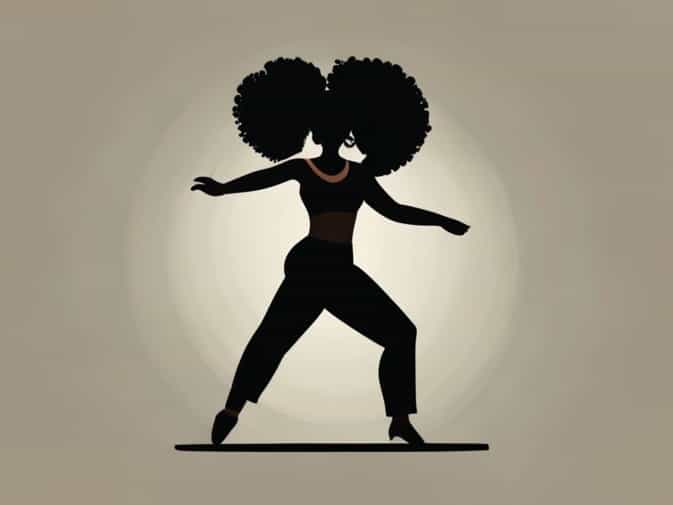
The term Afro is widely recognized in popular culture, often associated with hair, music, and cultural identity, but many people also wonder whether Afro refers to a dance. While the word itself does not directly describe a specific dance, it is closely linked to Afrobeat music and African-inspired dance movements. Understanding the connection between Afro as a cultural concept and its influence on dance requires exploring African dance traditions, modern Afrobeat choreography, and the ways in which Afro-inspired dances have spread across the world. These movements are celebrated for their energetic, rhythmic, and expressive qualities, making them an integral part of both social and performance dance culture.
Origins of Afro and Its Cultural Significance
The word Afro historically refers to people of African descent and the rich cultural heritage they carry. In the context of music and dance, Afro is often shorthand for African-inspired styles, reflecting the rhythms, movements, and cultural expressions originating from Africa. African dance traditions are some of the oldest and most diverse in the world, with each region, tribe, and community developing unique styles that often incorporate storytelling, spiritual rituals, and communal participation. These dances typically emphasize rhythm, fluidity, body isolation, and coordination with percussive music.
Afrobeat and Modern Influence
In contemporary contexts, Afro is closely linked to Afrobeat, a music genre that combines traditional African rhythms, jazz, funk, and highlife. Created by Nigerian musician Fela Kuti in the late 1960s, Afrobeat has influenced a range of modern music and dance styles. Afro-inspired dances often include energetic footwork, torso and hip movements, shoulder isolations, and expressive hand gestures, reflecting the music’s dynamic and rhythmic patterns. These dances are performed socially, in clubs, and on stage, and they have become popular in international dance communities, fitness programs, and online platforms like TikTok and YouTube.
Is Afro a Dance?
While Afro itself is not a single, codified dance style, it represents a category of dance influenced by African music, movements, and cultural heritage. When people refer to Afro dance, they typically mean dances performed to Afrobeat, Afropop, or African-inspired music, which draw from traditional and contemporary African dance forms. Afro dances are characterized by their expressive movements, strong connection to rhythm, and emphasis on full-body engagement. They often include improvisation, allowing dancers to interpret the music freely while incorporating steps and gestures common in African dance traditions.
Key Characteristics of Afro Dance
- Rhythmic FootworkDancers use quick, percussive steps to match the beat of the music.
- Body IsolationDifferent parts of the body, such as shoulders, chest, and hips, move independently to create dynamic patterns.
- Expressive MovementsGestures, facial expressions, and fluid transitions are central to the storytelling aspect of the dance.
- ImprovisationAfro dance encourages creativity, allowing dancers to adapt steps and sequences based on the music and their personal style.
- Connection to MusicMovements are tightly integrated with the rhythms, beats, and melodies of Afrobeat or African-inspired music.
Traditional African Dance Roots
Modern Afro dances owe much of their structure and energy to traditional African dance forms. Across Africa, dance has been used for centuries in rituals, celebrations, storytelling, and social cohesion. Traditional dances often feature polyrhythms, meaning multiple rhythms played simultaneously, which requires dancers to coordinate complex footwork and body movements. Communal participation is also common, with audiences clapping, singing, or playing instruments in response to the dancers. These foundational elements have been preserved and adapted in contemporary Afro dance styles.
Examples of Traditional Influence
- West African DanceIncludes high-energy movements, grounded footwork, and torso isolations.
- South African PantsulaCombines quick, rhythmic foot patterns with street dance aesthetics.
- Ghanaian AzontoKnown for expressive hand gestures and storytelling through movement.
- Senegalese SabarFeatures fast footwork, jumps, and coordination with drumming rhythms.
Afro Dance in Contemporary Culture
Today, Afro dance has spread globally, appearing in dance studios, fitness classes, social media challenges, and professional choreography. Dance enthusiasts and instructors teach Afro dance classes that blend traditional African movements with modern music styles like Afrobeats, hip-hop, and house. Many popular songs now feature Afro-inspired choreographies, bringing these movements to international audiences and encouraging cultural appreciation through dance. This widespread popularity has led some people to mistakenly assume that Afro refers to a single dance style, when it is better understood as a category or influence.
Afro Dance Benefits
- Physical FitnessThe energetic movements improve cardiovascular health, flexibility, and muscular endurance.
- Cultural AwarenessLearning Afro dance introduces participants to African heritage and traditional practices.
- Creativity and ExpressionImprovisation encourages self-expression and artistic development.
- Social InteractionAfro dance often involves community participation and collaboration, enhancing social bonds.
- Stress ReliefThe rhythmic movements and engagement with music can reduce tension and improve mental well-being.
In summary, while Afro is not a single codified dance, it refers to a broad category of African-inspired dance movements often performed to Afrobeat or African music. These dances draw from traditional African practices, modern choreographies, and social dance forms, emphasizing rhythm, body isolation, improvisation, and expressive storytelling. Whether in professional dance studios, community events, or social media videos, Afro dance continues to captivate audiences worldwide, offering both a physical workout and a connection to African culture. Understanding Afro as a dance concept allows us to appreciate its cultural significance, artistic creativity, and the vibrant energy it brings to contemporary dance scenes.