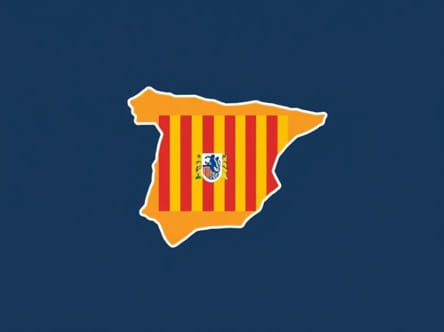
Yes, Catalan is in Spain. Catalan refers both to a language and a cultural region within the country. It is primarily spoken in Catalonia, an autonomous community in northeastern Spain with Barcelona as its capital. The region is known for its distinct identity, rich history, and strong cultural traditions. Although Catalonia is part of Spain, it maintains a unique linguistic and cultural heritage that sets it apart from other Spanish regions. Understanding the role of Catalan within Spain requires a closer look at geography, language, politics, and cultural dynamics.
Where Is Catalan Spoken in Spain?
The Catalan language is spoken in several regions of Spain, most notably in Catalonia, but also in
- Valencian Community– where the local variant is known as Valencian
- Balearic Islands– including Mallorca, Menorca, and Ibiza
- Eastern part of Aragon– in a region often referred to as La Franja
Each of these areas has its own dialect and cultural adaptations, but all are part of what is collectively known as the Catalan-speaking territories.” Within Spain, Catalan enjoys co-official status with Spanish in the regions where it is widely spoken, especially in Catalonia itself.
Is Catalonia Part of Spain?
Yes, Catalonia is officially one of the 17 autonomous communities of Spain. It is located in the northeast corner of the country, bordering France and Andorra to the north and the Mediterranean Sea to the east. The region has its own parliament and government, called the Generalitat de Catalunya, which exercises authority over areas like education, health care, and culture.
Although Catalonia is politically part of Spain, many of its residents identify strongly with Catalan culture. This dual identity being both Catalan and Spanish has been a subject of national debate and political tension for many years.
The Catalan Language
Catalan is a Romance language, closely related to Spanish, French, and Italian. It developed independently from Latin during the Middle Ages and has its own grammar, vocabulary, and pronunciation. Despite some similarities to Spanish, it is not a dialect of Spanish but a distinct language in its own right.
Main Features of the Catalan Language
- Unique vocabulary– many words are different from both Spanish and French
- Different grammar rules– especially in verb conjugation and word order
- Spoken by millions– around 9 to 10 million people understand Catalan, and about 4 to 5 million use it as their primary language
In Catalonia, the language is used in schools, media, and government. Street signs and official documents are commonly written in both Catalan and Spanish. Many residents are bilingual and fluent in both languages.
Legal and Political Status of Catalan
Spain’s 1978 Constitution recognizes the country’s linguistic diversity and grants co-official status to regional languages in their respective communities. In Catalonia, this means that both Catalan and Spanish are official languages. The Statute of Autonomy of Catalonia further strengthens the legal status of Catalan by promoting its use in education, public administration, and media.
There are public television channels, radio stations, and newspapers in Catalan. The language is also the primary medium of instruction in most schools in Catalonia, with Spanish taught as a subject.
Institutions Supporting the Language
- Institut d’Estudis Catalans– regulates the Catalan language
- Consorci per a la Normalització LingüÃstica– promotes the use of Catalan in daily life
- Catalan Media Corporations– produce content in Catalan for television and radio
Cultural Identity and Catalan Nationalism
Catalonia has a strong cultural identity that includes its own traditions, cuisine, holidays, and folklore. Festivals like La Mercè in Barcelona and Castells (human towers) are examples of deeply rooted Catalan customs. Catalan cuisine, including dishes like pa amb tomà quet and crema catalana, adds to the region’s distinctive flavor.
Over the years, the idea of Catalan nationalism has grown, with some people advocating for greater autonomy or even independence from Spain. This movement is often linked to the desire to preserve Catalan language and culture. While not all Catalans support independence, many share the belief that their region has a unique identity that should be protected and respected.
Is Catalan the Only Regional Language in Spain?
No, Spain is home to several regional languages that have co-official status in their respective regions. These include
- Basque (Euskara)– spoken in the Basque Country and parts of Navarre
- Galician (Galego)– spoken in Galicia in the northwest of Spain
- Aranese (a variety of Occitan)– spoken in the Val d’Aran in Catalonia
This multilingual reality is part of what makes Spain so culturally rich and diverse. Catalan is one of the most widely spoken and institutionally supported of these regional languages.
Catalan in Education
In Catalonia, the education system places a strong emphasis on the Catalan language. Catalan is the primary language of instruction in most public schools, with Spanish taught alongside it. This model, known as linguistic immersion, aims to ensure fluency in both languages by the time students finish school.
Higher education, including universities, also offers programs and courses in Catalan, though students can often choose to use Spanish depending on the course and institution.
Tourism and Language in Catalonia
Visitors to Catalonia often notice that many signs, menus, and public announcements are in both Catalan and Spanish. In tourist-heavy areas like Barcelona, English is also widely spoken. While travelers do not need to know Catalan to enjoy their visit, learning a few basic phrases can be appreciated by locals and shows respect for the regional culture.
Popular tourist destinations such as Sagrada FamÃlia, Park Güell, and the beaches of Costa Brava are all within Catalan territory, further linking the region’s language with international tourism.
Catalan Beyond Spain
Though Catalan is most commonly associated with Spain, it is also spoken in other regions beyond the country’s borders. These include
- Andorra– where Catalan is the official national language
- Northern Catalonia in France– particularly in the Pyrénées-Orientales department
- Alghero, Sardinia (Italy)– where a Catalan-speaking minority lives
This broad linguistic footprint highlights the historical reach of Catalan culture and its lasting influence in parts of Europe.
Yes, Catalan is in Spain both as a language and as a cultural identity. It is spoken primarily in Catalonia, a region within Spain that maintains its own language, traditions, and government. Catalan is recognized as a co-official language alongside Spanish and is deeply rooted in the daily life of the region. Whether you’re interested in history, culture, politics, or language, understanding the role of Catalan in Spain offers valuable insights into the country’s complex and diverse national identity.