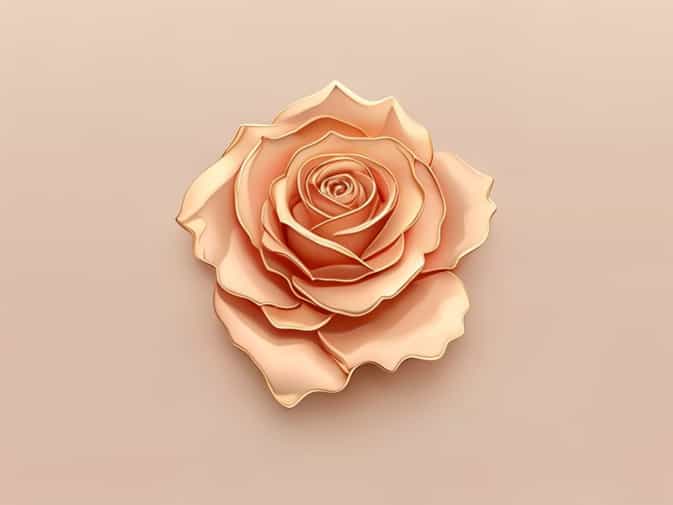
Rose gold has become one of the most popular choices in jewelry and luxury items, admired for its warm, pinkish hue and modern elegance. Many people wonder whether rose gold is actually gold or if it is merely a colored metal alloy. Understanding the composition, karat value, and manufacturing process of rose gold can clarify this question. While it is true that rose gold contains gold, it is mixed with other metals like copper and sometimes silver to achieve its characteristic color. Its popularity spans engagement rings, watches, bracelets, and even technology accessories, making it both a stylish and valuable option for consumers who want the luxury of gold with a unique twist.
What Rose Gold Really Is
Rose gold is a gold alloy, meaning it combines pure gold with other metals to create a specific color and improve durability. Unlike yellow gold, which retains the natural color of gold, rose gold gets its pink to reddish tone primarily from the addition of copper. The more copper added, the deeper and richer the rose hue becomes. Some rose gold alloys also include silver, which helps lighten the color and balance the tone. Despite the presence of other metals, rose gold is indeed considered real gold because it contains a percentage of pure gold, usually measured in karats.
The Composition of Rose Gold
Rose gold is typically available in 18k, 14k, and 10k options, with the karat number indicating the proportion of pure gold present in the alloy.
- 18k Rose GoldContains 75% gold and 25% other metals, usually a combination of copper and silver. It has a rich rose color and retains more of the value of pure gold.
- 14k Rose GoldContains 58.5% gold and 41.5% other metals. This version is more durable and often preferred for jewelry that will be worn daily.
- 10k Rose GoldContains 41.7% gold and 58.3% other metals. While less expensive, it is harder and more resistant to scratches, but the color is slightly less vibrant.
How Rose Gold Gets Its Color
The signature color of rose gold comes primarily from copper. By varying the ratio of copper in the alloy, jewelers can create different shades, from soft pink to deep red. Adding silver can lighten the tone, while higher copper content intensifies the reddish tint. This manipulation of metal percentages allows for customization, giving consumers a range of rose gold options to suit their preferences. This is why two pieces of rose gold jewelry can look quite different even if both are labeled as 18k or 14k.
Common Shades of Rose Gold
- Light Rose GoldOften achieved with a lower copper content, providing a soft, subtle pink hue.
- Classic Rose GoldBalanced copper and gold, giving a warm pink color that is universally popular.
- Red or Russian GoldHigher copper content creates a deeper reddish tone, offering a bold and striking appearance.
Is Rose Gold Real Gold?
Yes, rose gold is real gold. The term gold in rose gold refers to the presence of pure gold in the alloy. Depending on the karat rating, rose gold contains a specific percentage of pure gold combined with other metals. This means that jewelry labeled as 18k rose gold contains 75% gold, while 14k contains 58.5% gold. The remaining percentage consists of copper, silver, or other alloys to provide strength and color. Therefore, while rose gold is not 100% pure gold, it retains the intrinsic value and properties of gold, including its market value and desirability in the jewelry market.
Durability Compared to Yellow Gold
One advantage of rose gold over pure yellow gold is increased durability. Pure gold, or 24k, is relatively soft and prone to scratching and bending. By alloying it with copper, rose gold becomes stronger and more suitable for everyday jewelry, including rings and bracelets. The copper not only enhances durability but also adds the warm, romantic color that sets rose gold apart from traditional yellow or white gold.
Uses of Rose Gold in Jewelry
Rose gold is widely used in various types of jewelry because of its appealing color and ability to complement different skin tones. Its unique hue makes it versatile and stylish, whether used in classic designs or modern pieces.
Engagement Rings and Wedding Bands
Rose gold has become a trendy choice for engagement rings and wedding bands. Its warm tone enhances the brilliance of diamonds and gemstones, and it pairs well with vintage and contemporary styles alike. Many couples choose rose gold for its romantic connotations and timeless aesthetic.
Watches and Accessories
Luxury watch brands frequently use rose gold for cases, bezels, and bracelets, adding elegance and sophistication. Additionally, rose gold accents are common in bracelets, necklaces, earrings, and even tech accessories like phone cases and smartwatches, blending fashion with function.
Fashion Jewelry
Beyond high-end pieces, rose gold is popular in affordable fashion jewelry. Coatings or plating over base metals create the rose gold look at a lower price point, making it accessible to a wider audience while maintaining the warm pink aesthetic.
Caring for Rose Gold Jewelry
While rose gold is more durable than pure gold, proper care is essential to maintain its shine and color. Copper in the alloy can react with air and moisture over time, so cleaning and maintenance are important.
Cleaning Tips
- Use a mild soap and warm water solution with a soft cloth to gently clean the jewelry.
- Avoid harsh chemicals or abrasive materials that can scratch or damage the surface.
- Store rose gold jewelry in a dry, soft-lined box or pouch to prevent tarnishing and scratches.
- Professional polishing can restore the original shine if the jewelry becomes dull over time.
Rose gold is indeed real gold, composed of pure gold combined with copper and sometimes silver to create its distinctive pinkish hue. Its unique color, durability, and versatility make it a favorite in jewelry, watches, and fashion accessories. Understanding the composition and care of rose gold can help consumers make informed choices and preserve the beauty of their pieces for years to come. Whether in engagement rings, luxury watches, or everyday jewelry, rose gold continues to capture hearts with its warm, romantic appeal while maintaining the inherent value of gold.