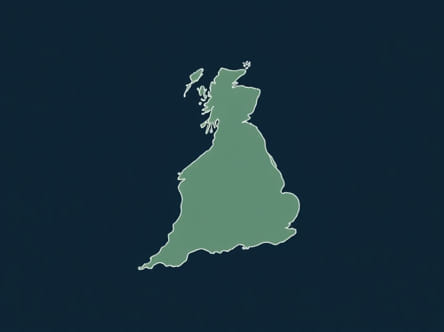
Cornwall, located in the southwestern tip of England, is a region rich in natural beauty, history, and cultural identity. Looking at a map of Cornwall reveals a dramatic peninsula surrounded on three sides by the Atlantic Ocean and the English Channel. Its rugged coastline, quaint fishing villages, moorlands, and historic sites are spread across a diverse landscape that attracts millions of visitors every year. Whether you’re a traveler planning an itinerary, a student of geography, or simply curious about this unique county, understanding the layout and features of Cornwall’s map gives valuable insights into what makes this part of England so distinctive.
Geographical Overview of Cornwall
Location and Borders
Cornwall occupies the far southwest corner of England and is bordered by Devon to the east. The River Tamar largely forms the natural boundary between Cornwall and Devon. To the north and west, Cornwall faces the Celtic Sea (a part of the Atlantic Ocean), while the southern coastline meets the English Channel. The map of Cornwall shows a long, narrow strip of land that stretches about 132 kilometers from east to west, and approximately 64 kilometers at its widest point.
Major Geographical Features
- Penwith Peninsula– Located at the far western end, home to Land’s End and St Ives.
- Bodmin Moor– A granite moorland in the northeast, visible as a highland area on topographic maps.
- The Lizard Peninsula– The southernmost part of mainland Britain.
- Coastal Cliffs– Marked prominently on maps, especially along the northern coast.
These features create a diverse environment that includes beaches, moors, cliffs, and wooded valleys. Each region on the map offers something different for explorers and scholars alike.
Towns and Settlements of Interest
Key Towns on the Map
Cornwall is not densely populated, but it is dotted with historic towns and fishing villages that are significant both culturally and economically. Here are some of the most notable towns you’ll find on a map of Cornwall
- Truro– The only city in Cornwall, located in the central part of the county. It is the administrative center and home to a striking cathedral.
- Penzance– A major town in the west near Mount’s Bay, known for its harbor and ferry access to the Isles of Scilly.
- St Ives– Famous for its beaches and art scene, located on the northwestern coast.
- Falmouth– A coastal town on the south, important for its natural harbor and maritime heritage.
- Newquay– Found along the north coast, it’s a major surfing destination and resort town.
- Bodmin– Located inland near the moor, with historical links to Cornwall’s mining past.
Villages and Hamlets
A more detailed map of Cornwall reveals countless small villages and hamlets scattered throughout the countryside. Places like Mousehole, Port Isaac, Mevagissey, and Tintagel each carry their own stories and heritage, making them important points of interest for cultural and historical studies.
Natural Landmarks and Attractions
Coastlines and Beaches
The map of Cornwall is defined by its extensive coastline, which includes more than 400 miles of cliffs, coves, and beaches. Here are a few standout features
- Land’s End– The westernmost point of mainland England, often noted on maps with a marker.
- St Michael’s Mount– A tidal island near Marazion, easily identified on coastal maps.
- Padstow Bay– A popular holiday spot on the north coast, visible for its inlet and estuary.
- Perranporth Beach– One of the longest and most recognizable beaches in the county.
Moors and Inland Scenery
Bodmin Moor is clearly indicated on physical and topographic maps as an upland granite area. It is one of Cornwall’s most iconic inland landscapes, featuring dramatic tors (rocky outcrops), ancient stone circles, and hidden valleys. This area is sparsely populated and offers important archaeological insights.
Transport Routes and Infrastructure
Roads and Highways
Despite its rural character, Cornwall is accessible via several key roads. On most road maps, the following routes stand out
- A30– The main road artery running east-west, connecting Cornwall with Devon and the rest of England.
- A38– Enters Cornwall through the southeast and runs toward Bodmin.
- A39– Known as the Atlantic Highway, it follows the north coast offering scenic drives.
Rail and Sea Connections
Maps also indicate rail lines, particularly the main line that runs from Plymouth to Penzance, passing through towns such as Truro and St Austell. Sea routes to the Isles of Scilly depart from Penzance and are marked on ferry route maps. Cornwall Airport Newquay offers domestic flights and is labeled on transport maps of the region.
Cultural and Historical Sites
Historic Sites
Many maps of Cornwall highlight important historical landmarks, some of which date back to the Iron Age or even earlier. Notable sites often marked include
- Tintagel Castle– Associated with the legend of King Arthur, located on the northern coast.
- Geevor Tin Mine– Near St Just, this historic mining site is indicated on heritage maps.
- Lanhydrock House– A country estate near Bodmin, shown on tourist maps.
Language and Identity
Cornwall’s maps sometimes include place names in both English and Cornish, the native Celtic language of the region. This practice highlights the strong cultural identity that many Cornish people maintain. Look for dual names like Penzance (Pennsans) or St Ives (Porth Ia) as you explore detailed maps.
Using Different Types of Maps
Topographic Maps
These maps are ideal for hikers and outdoor enthusiasts. They display elevation, contour lines, and landscape features such as hills, rivers, and trails. Ordnance Survey maps are commonly used for exploring Cornwall on foot or bicycle.
Tourist and Road Maps
Tourist maps highlight attractions, beaches, museums, and scenic routes. Road maps are practical for navigation, especially since some remote areas may lack strong mobile signals. Combining both types gives a fuller understanding of the region.
Online Interactive Maps
Digital mapping tools now offer detailed satellite imagery, walking trails, street views, and even historical overlays. These are valuable for planning trips, conducting research, or gaining a clearer picture of Cornwall’s geography.
A map of Cornwall England is more than just a visual guide it’s a window into the landscape, culture, and heritage of one of Britain’s most enchanting regions. From the surf-ready beaches of Newquay to the ancient myths of Tintagel and the moody beauty of Bodmin Moor, each corner of the map tells a story. Understanding its geography helps one appreciate how history, environment, and human settlement have shaped Cornwall into the unique county it is today. Whether you’re tracing the contours of coastal cliffs or finding a quiet village off the beaten path, the map of Cornwall offers endless opportunities for discovery.