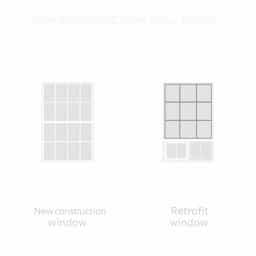
When it comes to window replacement or installation in homes, one of the most important decisions homeowners face is whether to go with new construction windows or retrofit windows. This choice plays a significant role in determining the overall performance, cost, and aesthetic result of a window project. While both types serve the same core purpose allowing light and ventilation into your home their design, installation methods, and intended applications are very different. Understanding the key differences between new construction and retrofit windows helps you make a better-informed decision tailored to your home improvement goals.
What Are New Construction Windows?
New construction windows are designed specifically for homes that are being built from the ground up or for major renovations where wall studs and frames are exposed. These windows include a nailing flange or nail fin, which is used to attach the window frame directly to the framing of the house. This makes them ideal for projects where the exterior siding or wall surface is being removed or replaced.
Advantages of New Construction Windows
- Secure Installation: Because new construction windows are attached directly to the framing, they provide a tight and long-lasting seal against moisture and air infiltration.
- Customization: Builders can more easily choose the exact size, shape, and configuration needed, since the wall framing is accessible.
- Optimal Energy Efficiency: Proper installation ensures that insulation and flashing are placed correctly, enhancing energy performance.
- Ideal for Major Remodels: If you are doing a large renovation that includes tearing out exterior siding, these windows offer a clean and seamless look.
Disadvantages of New Construction Windows
- More Invasive Installation: Installing these windows in an existing home often requires removing siding, stucco, or drywall, which can be time-consuming and costly.
- Higher Overall Cost: Because of the labor-intensive process, the installation of new construction windows generally costs more than retrofit windows.
What Are Retrofit Windows?
Retrofit windows, also known as replacement windows or insert windows, are designed to be installed into an existing window frame. These windows do not have a nail fin and instead fit snugly into the current opening. They are ideal for upgrading old or inefficient windows without disturbing the surrounding wall structure.
Advantages of Retrofit Windows
- Less Disruption: Since they’re installed without removing siding or stucco, retrofit windows are less invasive and quicker to install.
- Cost-Effective: Retrofit windows typically cost less in labor and materials because they take less time and require fewer structural changes.
- Good for Window Upgrades: They are ideal for homeowners looking to improve energy efficiency and curb appeal without undergoing a major renovation.
- Minimal Damage to Home Exterior: This type of installation preserves your home’s existing look, which is especially beneficial for homes with brick or stone exteriors.
Disadvantages of Retrofit Windows
- Dependent on Existing Frame: If the current window frame is damaged, out of square, or not level, it can affect the performance of the retrofit window.
- Potential Gaps: In some cases, it may be harder to get a perfect seal, which could impact energy efficiency if not installed correctly.
- Limited Sizing: You are restricted to the size of the existing opening, which may limit design options.
Key Differences Between New Construction and Retrofit Windows
To help clarify the differences between these two types of windows, here’s a side-by-side comparison based on several important factors:
- Installation Method: New construction windows are nailed directly to the framing; retrofit windows are inserted into existing frames.
- Best Use Case: New construction is ideal for new builds and major renovations; retrofit is best for window replacement projects.
- Required Access: New construction requires wall exposure; retrofit does not disturb siding or stucco.
- Installation Time: Retrofit windows usually take less time to install.
- Cost: New construction windows tend to be more expensive due to added labor and materials.
When to Choose New Construction Windows
New construction windows are the right choice in the following situations:
- You are building a brand-new home or adding an entirely new room or extension.
- You are replacing the siding on your home and have full access to the wall studs.
- The existing window frames are severely damaged or rotted, requiring full replacement.
- You want the most secure and energy-efficient window installation possible.
In these cases, the added cost and effort of installing new construction windows are justified by the long-term benefits in durability and energy performance.
When Retrofit Windows Make More Sense
Retrofit windows are typically the better option in scenarios such as:
- You want to replace old or single-pane windows without changing the structure of your home.
- Your window frames are still in good condition and don’t need full replacement.
- You’re on a tighter budget but still want to improve energy efficiency and aesthetics.
- You want to avoid disturbing stucco, brick, or stone on the exterior of your home.
For many homeowners, retrofit windows offer a smart compromise between cost and performance, especially in homes where full-frame replacement is unnecessary.
Cost Considerations
On average, retrofit windows are more affordable due to easier and faster installation. New construction windows often come with higher labor costs, particularly when it involves removing and replacing exterior siding. However, in long-term value, new construction windows may provide better energy savings if installed with modern insulation and sealing techniques.
It’s also worth noting that labor costs can vary based on your region, contractor, and complexity of the job. Getting multiple estimates and understanding the full scope of the project will help you make the most cost-effective decision.
Energy Efficiency and Performance
Both new construction and retrofit windows can be energy-efficient if you choose high-quality, double-pane or triple-pane glass with low-emissivity (Low-E) coatings. The difference lies mostly in how they’re installed. New construction windows can achieve better insulation because they allow for the complete sealing of gaps around the frame. Retrofit windows rely on the precision of the installer to ensure a tight fit and minimal air leakage.
Choosing between new construction and retrofit windows ultimately depends on the condition of your existing window frames, your renovation goals, and your budget. New construction windows are ideal for full-scale remodels and offer a longer-term solution, while retrofit windows are perfect for homeowners looking for a less invasive, more budget-friendly upgrade. Understanding the pros and cons of each option allows you to select the best fit for your home’s needs, ensuring long-term satisfaction and energy savings.