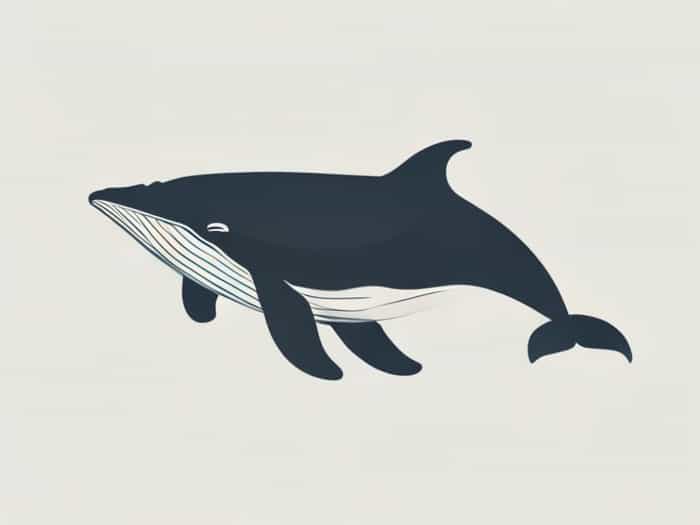
The northern right whale dolphin is one of the lesser-known but fascinating marine mammals found in the temperate and tropical waters of the North Pacific Ocean. Unlike its name might suggest, it is not closely related to right whales but is instead a member of the Delphinidae family, which includes dolphins and orcas. These dolphins are recognized for their striking black-and-white coloration, streamlined bodies, and high-speed swimming abilities. Observing the northern right whale dolphin in its natural habitat offers insight into the complex behaviors, social structures, and ecological roles of dolphins in marine ecosystems, making them a subject of interest for marine biologists, conservationists, and ocean enthusiasts alike.
Physical Characteristics
The northern right whale dolphin is easily identified by its unique appearance. It has a long, slender body with a sharply contrasting black back and white underbelly, giving it a distinctive two-tone look. Unlike many other dolphins, it does not have a dorsal fin, which sets it apart visually and contributes to its name. Adults typically measure between 2.1 to 2.7 meters in length, and they can weigh up to 150 kilograms. Their sleek bodies are adapted for fast swimming and agile movement in the open ocean, allowing them to evade predators and efficiently hunt for prey.
Behavior and Social Structure
Northern right whale dolphins are highly social animals, usually found in large groups called pods that can number from a few dozen individuals to several hundred. These pods provide protection, social interaction, and improved hunting efficiency. Members of a pod engage in cooperative behaviors, such as coordinated swimming and synchronized feeding. Their communication relies on a combination of clicks, whistles, and body movements, which help maintain group cohesion and relay information about prey and predators. The dolphins are also known for their acrobatic displays, including leaping and tail-slapping, which may serve both social and hunting purposes.
Habitat and Distribution
These dolphins inhabit deep, offshore waters in the North Pacific Ocean, typically between latitudes 30°N and 50°N. Their range extends from Japan and the Bering Sea to the west coast of North America, including California, Oregon, and British Columbia. Northern right whale dolphins prefer areas with steep underwater slopes, such as continental shelves and submarine canyons, which are rich in prey and provide favorable conditions for hunting. They are rarely seen near shorelines, making them a species primarily associated with open-ocean environments.
Diet and Hunting Strategies
Northern right whale dolphins feed on a variety of small fish and squid species, including lanternfish, herring, and squid. They use echolocation to locate prey, emitting high-frequency clicks and listening for the returning echoes. Pods often hunt cooperatively, herding schools of fish into tight groups to make capture easier. Their streamlined bodies and high-speed swimming capabilities allow them to chase down agile prey, often leaping out of the water in pursuit. This combination of echolocation, speed, and teamwork makes them highly effective hunters in the open ocean environment.
Reproduction and Lifespan
Reproductive behavior in northern right whale dolphins is similar to that of other dolphin species. Females reach sexual maturity between 6 to 10 years of age, while males mature slightly later. Breeding appears to occur year-round, although some regional variations exist. After a gestation period of approximately 12 months, a single calf is born, usually weighing between 20 to 25 kilograms. Calves are nurtured and protected by their mothers and sometimes other members of the pod, benefiting from social support within the group. Northern right whale dolphins can live up to 30 years in the wild, although lifespan may vary depending on environmental conditions and predation risks.
Predators and Threats
Predators of northern right whale dolphins include large sharks, such as the great white shark, and killer whales. While predation is a natural part of the marine ecosystem, human activities pose significant threats to these dolphins. Bycatch in commercial fisheries, ship strikes, and pollution are major concerns. Marine debris, particularly plastic, can be ingested accidentally, causing injury or death. Additionally, climate change and overfishing may impact prey availability, affecting the survival and distribution of northern right whale dolphin populations.
Conservation Status
Due to the elusive nature of northern right whale dolphins and their offshore habitat, population estimates are challenging to obtain. However, they are generally considered to be less abundant than more coastal dolphin species. They are listed as Data Deficient by the International Union for Conservation of Nature (IUCN), indicating that more research is needed to assess their population trends accurately. Conservation efforts focus on reducing bycatch, monitoring populations, and protecting critical habitats. International cooperation and sustainable fishing practices are essential to ensure the long-term survival of this species.
Importance of Research and Observation
Studying northern right whale dolphins provides valuable insight into marine ecosystems and the health of oceanic environments. Researchers observe their behavior, social structures, and feeding patterns to understand the role these dolphins play in the food chain and their responses to environmental changes. Tagging and acoustic monitoring techniques allow scientists to track movements and identify key habitats. These studies help inform conservation strategies, guide policy decisions, and raise awareness about the challenges faced by offshore marine species.
Human Interaction and Ecotourism
While northern right whale dolphins are rarely seen near shore, occasional sightings during whale-watching trips offer opportunities for ecotourism and educational outreach. Responsible observation promotes awareness and appreciation for marine wildlife without causing disturbance. Tour operators often provide guidelines for safe viewing, emphasizing the importance of maintaining distance and minimizing noise to avoid stressing the animals. These encounters can inspire conservation efforts and foster a deeper connection between humans and marine life.
Educational and Cultural Significance
Northern right whale dolphins serve as ambassadors for the ocean, highlighting the need to protect deep-water ecosystems. Educators use their unique characteristics and behaviors to teach students about marine biology, adaptation, and environmental stewardship. Cultural narratives and artistic representations of dolphins often emphasize their intelligence, agility, and social bonds, helping to engage the public and promote conservation-minded attitudes toward ocean life.
The northern right whale dolphin is a remarkable marine species distinguished by its sleek, black-and-white body, high-speed swimming abilities, and complex social behavior. Found primarily in the North Pacific Ocean, these dolphins play an important ecological role while captivating scientists and ocean enthusiasts with their graceful movements and cooperative hunting techniques. Despite facing threats from human activities and environmental changes, continued research, conservation efforts, and responsible ecotourism can help ensure their survival. Understanding and appreciating northern right whale dolphins enhances our knowledge of oceanic ecosystems and underscores the importance of protecting the diverse and intricate life that inhabits the open sea.