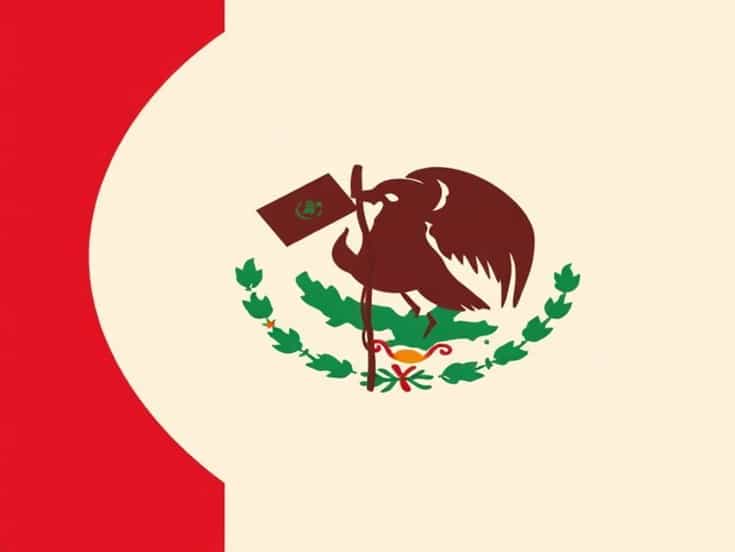
The Mexican Revolution was one of the most significant social and political upheavals in Latin American history, fundamentally reshaping Mexico’s political landscape, social structure, and economy. Beginning in 1910 and lasting roughly a decade, the revolution was sparked by widespread dissatisfaction with the long-standing dictatorship of Porfirio Díaz, who had ruled Mexico for over thirty years. Economic inequality, land dispossession, and political repression fueled the revolutionary spirit among peasants, workers, and intellectuals alike. The Mexican Revolution not only transformed Mexico internally but also left a lasting impact on global politics, social reform movements, and revolutionary thought in the 20th century.
Causes of the Mexican Revolution
The Mexican Revolution did not emerge suddenly; it was the result of long-standing social, economic, and political tensions. Several key factors contributed to the revolutionary outbreak, creating a climate ripe for change.
Porfirio Díaz’s Dictatorship
Porfirio Díaz ruled Mexico from 1876 to 1911, in a period known as the Porfiriato. While his regime brought economic growth and modernization, it came at the cost of political freedom and social equity. Díaz maintained power through repression, limiting democratic participation and marginalizing opposition. The lack of political voice for ordinary citizens created widespread frustration, especially among rural communities and the emerging middle class.
Economic Inequality
Under Díaz, the Mexican economy grew, but the benefits were concentrated in the hands of wealthy landowners, foreign investors, and urban elites. Large tracts of land were taken from peasants and indigenous communities, consolidating power in a small elite. Rural workers faced poor wages, harsh working conditions, and limited opportunities, fueling resentment and revolutionary sentiment.
Social Discontent and Land Reform
Land issues were central to the revolutionary cause. The majority of Mexicans were peasants who lacked ownership of the land they worked. Displacement and exploitation led to widespread social discontent. Revolutionary leaders, such as Emiliano Zapata, emphasized the slogan Tierra y Libertad (Land and Liberty), reflecting the demand for land redistribution and social justice.
Political Reform and the 1910 Election
The immediate trigger for the revolution was the contested presidential election of 1910. Francisco I. Madero challenged Díaz, advocating democratic reforms and social change. Díaz’s refusal to step down and subsequent election fraud prompted Madero to call for armed revolt, marking the official start of the Mexican Revolution.
Key Figures of the Revolution
The Mexican Revolution featured a diverse array of leaders, each representing different social groups and ideological perspectives. Their contributions shaped the course of the revolution and Mexico’s future.
Francisco I. Madero
Madero, a wealthy landowner and political reformer, called for democratic elections and opposed Díaz’s dictatorship. His leadership inspired initial revolutionary uprisings in 1910, although his moderate approach eventually led to conflict with more radical factions.
Emiliano Zapata
Zapata, a peasant leader from Morelos, championed land reform and the rights of indigenous communities. He became a symbol of agrarian struggle, advocating for the redistribution of land and the empowerment of rural populations through his Plan of Ayala.
Pancho Villa
Pancho Villa, a former bandit turned revolutionary general, commanded forces in northern Mexico. Villa combined military strategy with popular support, fighting for social justice and representing the interests of rural laborers and small farmers. His charisma and military successes made him a key figure in the revolution.
Venustiano Carranza
Carranza emerged as a constitutionalist leader, promoting a new legal framework for Mexico. He sought to restore order while implementing reforms to address social and political grievances. Carranza played a critical role in drafting the 1917 Mexican Constitution, which codified revolutionary ideals.
Major Events and Phases of the Revolution
The Mexican Revolution was complex, involving multiple factions, shifting alliances, and periods of intense violence. Understanding its major events helps illustrate the dynamic nature of the revolution.
Outbreak and Initial Uprisings (1910 1911)
Following Díaz’s refusal to accept election results, revolutionary forces led by Madero, Zapata, and Villa began armed resistance. The rebellion spread across Mexico, culminating in Díaz’s resignation in 1911. Madero assumed the presidency but faced continued opposition from conservative and revolutionary groups alike.
Counterrevolution and Madero’s Assassination (1912 1913)
Madero’s moderate policies failed to satisfy radical revolutionaries, while conservatives remained opposed. In 1913, a coup led by Victoriano Huerta resulted in Madero’s assassination, plunging Mexico into further conflict. This period saw heightened violence and the emergence of new revolutionary leaders, including Villa and Zapata, who continued to fight against Huerta’s regime.
Constitutionalist Victory and Reform (1914 1917)
The constitutionalists, led by Carranza, gradually gained control, defeating Huerta and rival factions. This phase emphasized political consolidation and the establishment of legal reforms, including labor rights, land redistribution, and limits on foreign ownership of Mexican resources. The culmination of this period was the 1917 Constitution, a landmark achievement in Mexican history.
Post-Revolutionary Struggles (1917 1920)
Even after the formal end of major hostilities, Mexico experienced continued unrest and regional conflicts. Revolutionary leaders pursued their agendas, while the new government sought to stabilize the nation and implement reforms. This period laid the foundation for modern Mexican political and social structures.
Impact and Legacy of the Mexican Revolution
The Mexican Revolution had profound and lasting effects on Mexican society, politics, and culture. Its impact extended beyond the battlefield, shaping national identity and influencing global perceptions of social justice and revolution.
Political Transformation
The revolution ended decades of dictatorship and established a framework for democratic governance, although Mexico experienced continued political challenges. The 1917 Constitution provided legal protections for workers, landowners, and indigenous communities, embodying revolutionary ideals and guiding future reforms.
Social and Economic Change
The revolution led to significant land reform, redistributing estates to peasants and promoting agricultural development. Social programs addressed education, labor rights, and public welfare, contributing to the gradual improvement of living conditions for many Mexicans.
Cultural and Artistic Influence
The revolution inspired a flourishing of Mexican art, literature, and music. Artists such as Diego Rivera and Frida Kahlo drew on revolutionary themes, while writers chronicled the struggles and triumphs of the people. The revolution fostered a sense of national pride and identity, celebrating Mexican heritage and resilience.
The Mexican Revolution remains one of the most transformative events in the country’s history, shaping political, social, and cultural development for generations. Its causes were deeply rooted in economic inequality, political repression, and social discontent, while its effects included constitutional reforms, land redistribution, and the emergence of new political leaders. Figures such as Madero, Zapata, Villa, and Carranza played crucial roles in guiding the revolution, each contributing to the complex and dynamic struggle for justice and democracy. Beyond Mexico, the revolution influenced revolutionary thought globally and remains a powerful example of the struggle for equality, freedom, and social reform. Understanding the Mexican Revolution provides insight into the challenges of governance, the importance of social justice, and the enduring impact of collective action on national identity and progress.