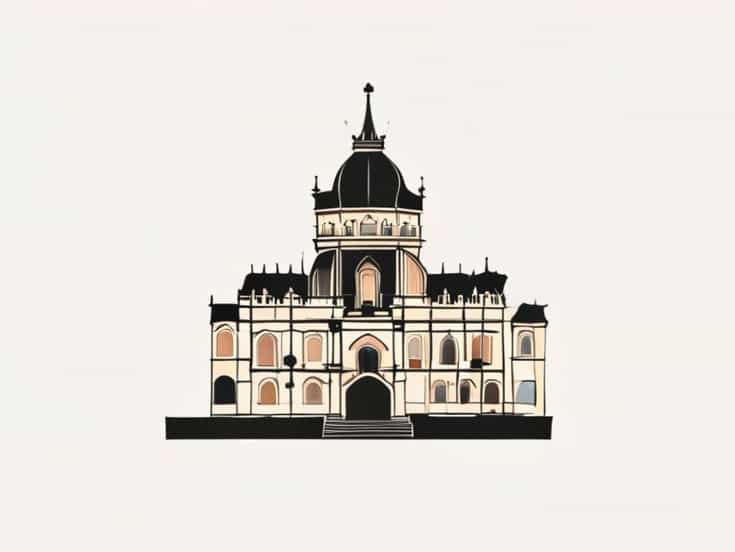
The Palace of the Countess of Lebrija is one of those rare places where history, architecture, and personal passion come together to form a timeless work of art. Visitors often describe the palace as a treasure box filled with Roman mosaics, Andalusian details, and carefully collected artifacts from different eras. Located in the heart of Seville, it reflects the vision of a woman who dedicated herself to preserving the past while creating a home that feels both intimate and grand. The palace offers a journey through centuries of cultural influences, making it an unforgettable destination for anyone interested in heritage, craftsmanship, and the beauty of old-world Spain.
The Historical Background of the Palace
The story of the Palace of the Countess of Lebrija begins long before its famous owner transformed it into a cultural jewel. The building itself dates back to the 16th century, constructed during a period when many noble families in Seville were establishing elegant residences influenced by Moorish architecture and Renaissance elements. Over the centuries, the structure underwent various transformations, but its most significant change came in the early 20th century.
The Vision of the Countess
Doña Regla Manjón Mergelina, the Countess of Lebrija, purchased the palace at the beginning of the 1900s. She was not only a noblewoman but also an avid collector, historian, and lover of archaeology. Her passion for ancient artifacts particularly Roman pieces deeply influenced the redesign of the palace. She wanted a home that would preserve and showcase the past, and she spent years gathering mosaics, ceramics, sculptures, manuscripts, and architectural fragments from different regions of Spain.
Thanks to her dedication, the palace today stands as one of the most important private archaeological collections in Seville.
The Architectural Beauty of the Palace
The Palace of the Countess of Lebrija blends multiple architectural styles, each reflecting a period of Seville’s long and diverse history. From Roman mosaics to Mudéjar arches, every corner reveals another layer of cultural exchange.
A Blend of Roman and Andalusian Influences
The most famous feature of the palace is its collection of Roman mosaics. These mosaics come from ancient Italica, a nearby Roman city. The Countess carefully restored and installed them throughout the floors of the palace, turning the building into what many describe as the house with the most mosaics in Seville.
In addition to Roman materials, the palace incorporates Andalusian elements such as
- Delicate tilework with geometric patterns
- Traditional courtyards with fountains
- Carved wooden ceilings in the Mudéjar style
- Graceful arches influenced by Islamic architecture
This combination creates a harmonious interior that feels both ancient and timeless.
The Magnificent Central Courtyard
Like many noble homes in Seville, the palace centers around a spacious courtyard. This area is not only a place of beauty but also a functional space that captures light and cool air during the warm Andalusian summers. The courtyard features Roman columns, decorative tiles, and lush plants that add to its serene atmosphere.
The courtyard serves as a perfect example of how the Countess blended architectural fragments from different centuries to create a cohesive and inviting living space.
The Upper Floor A Glimpse into Aristocratic Life
While the lower level highlights archaeological treasures, the upper floor offers a more personal look into the lifestyle of the Countess. This level has been preserved with furniture, artwork, and everyday objects that belonged to her family. It reflects a traditional aristocratic home from the early 20th century, complete with libraries, salons, and private rooms filled with collections.
Rooms Filled with Art and Memory
Some of the highlights of the upper floor include
- A library with thousands of books and manuscripts
- Elegant salons decorated with paintings and tapestries
- Private rooms showcasing antique furniture
- Religious artifacts and delicate ceramics
This level of the palace helps visitors connect with the Countess on a personal level, revealing her intellectual interests and refined tastes.
A Home Turned Living Museum
Today, the palace serves as a museum, but it retains the warmth of a lived-in home. The Countess’s intention was not to create a cold exhibition space she wanted a residence filled with history, beauty, and meaning. Every corridor, courtyard, and corner expresses her devotion to preserving cultural heritage.
The Collection of Ancient Artifacts
The palace contains a remarkable range of historical pieces, including
- Roman mosaics from Italica
- Roman busts and sculptures
- Amphoras and ancient ceramics
- Arabesque tiles and Mudéjar carvings
- Manuscripts, maps, and ancient documents
This variety reflects Spain’s complex history as a land where Roman, Islamic, Christian, and Renaissance cultures all left their mark.
The Palace in Seville’s Cultural Landscape
Seville is a city full of historical monuments, from the Alcázar to the Cathedral. Yet the Palace of the Countess of Lebrija offers something unique an intimate connection with one woman’s passion for archaeology and design. Unlike larger monuments built by kings or empires, this palace represents personal dedication and artistic vision.
A Treasure for Visitors and Scholars
Because of its extensive Roman mosaic collection, the palace is an important site for archaeologists and historians. Scholars visit to study its pieces, many of which provide valuable information about Roman life, mythology, and craftsmanship. For tourists, it offers a peaceful and enchanting experience away from the more crowded attractions.
The Legacy of the Countess
The legacy of the Countess of Lebrija lives on through the palace she lovingly restored. Her dedication to preserving the past continues to inspire visitors. She demonstrated that collecting artifacts is not merely about owning objects it is about understanding cultural roots, appreciating beauty, and sharing history with future generations.
Her work turned the palace into a timeless guardian of Spanish heritage. Every mosaic, sculpture, and architectural detail speaks to her passion for honoring the stories of ancient civilizations.
The Palace of the Countess of Lebrija stands as a remarkable blend of art, archaeology, and architectural beauty. Its Roman mosaics, Andalusian courtyards, Mudéjar ceilings, and elegant living spaces create a rich and captivating experience. More than just a historic building, it is a tribute to the Countess herself a woman who dedicated her life to preserving the treasures of the past. For visitors, the palace offers an unforgettable journey through history and creativity, making it one of Seville’s most enchanting cultural landmarks.