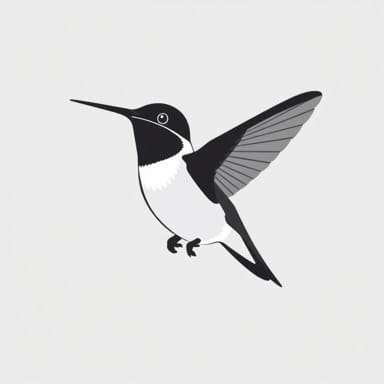
The Black-chinned Hummingbird is a small, fast, and incredibly agile bird found primarily in the western United States and parts of Mexico. Known for its shimmering purple-black throat patch, or gorget, and rapid wingbeats, this hummingbird often becomes a favorite subject of bird photographers. Capturing photos of the Black-chinned Hummingbird requires patience, timing, and a good understanding of their natural behaviors. With the right approach, photographers can showcase this bird’s elegance and vibrant colors through stunning, close-up images that highlight its intricate details.
Understanding the Black-chinned Hummingbird
Species Overview
The Black-chinned Hummingbird (Archilochus alexandri) is one of the most widespread hummingbird species in the U.S. It can often be seen hovering near feeders or darting among flowers during the warmer months. These birds are migratory, spending winters in Mexico and Central America before returning north in the spring.
- Size: Approximately 3.5 inches long
- Weight: Around 3 grams
- Color: Males have a metallic green back with a dark throat that glows violet in direct light
- Habitat: Deserts, gardens, riparian woodlands, and meadows
Behavior Patterns
To photograph a Black-chinned Hummingbird successfully, it’s helpful to understand its daily routines. They are most active during early morning and late afternoon, often returning to the same feeding spots repeatedly. Males are territorial and will chase off rivals, which can lead to exciting action shots for observant photographers.
Tips for Capturing Stunning Photos
Right Time and Right Place
The best time to find and photograph Black-chinned Hummingbirds is from March through September in their breeding range. Look for them around native flowering plants or hummingbird feeders set up near quiet, sunny areas. Natural light is essential to bring out the iridescent colors of their feathers.
- Early morning offers softer light and active birds
- Use feeders to encourage hummingbirds to return frequently
- Choose locations with blooming flowers like penstemons, bee balm, or columbines
Camera Equipment
Because these birds are tiny and fast-moving, proper camera equipment can make a significant difference. A DSLR or mirrorless camera with a high shutter speed and a good telephoto lens is ideal. Use a tripod or monopod for stability and consider setting your camera to burst mode for action shots.
- Lens: 300mm or longer
- Shutter Speed: 1/2000 sec or faster
- ISO: 800-1600 depending on light conditions
- Focus: Continuous autofocus with tracking mode
Photographing Key Features
The Gorget
One of the most remarkable features of the male Black-chinned Hummingbird is its shimmering gorget. This throat patch can appear black or deep violet depending on how the light hits it. Capturing the gorget in its full iridescence often requires angling yourself with the sun behind you, and waiting for the bird to turn its head just right.
In-Flight Action
Hummingbirds flap their wings up to 50 times per second. Capturing them in flight is a true challenge, but with practice, you can freeze the motion or even blur the wings for artistic effect. Position yourself near a perch or feeder and pre-focus on the area where the bird hovers to prepare for the shot.
Feeding and Perching
Photos of hummingbirds feeding from flowers or hovering mid-air offer some of the most dynamic images. Alternatively, images of birds calmly perched reveal the finer details of their plumage and behavior. Patience is key Black-chinned Hummingbirds often return to the same perch, giving you a second or third chance at a great shot.
Common Mistakes to Avoid
- Using flash too frequently – this can scare the birds or create unnatural lighting
- Standing too close to the feeder – always maintain a respectful distance
- Ignoring the background – cluttered or bright backdrops can distract from the bird
- Forgetting to clean the lens – smudges can ruin an otherwise perfect photo
Ethical Photography Practices
Respect Wildlife
Always prioritize the well-being of the birds. Avoid chasing or disturbing them just to get a shot. Never trim branches or alter natural habitats. Feeding hummingbirds responsibly can help them during migration, but it’s important to clean feeders regularly to prevent disease.
Be Patient and Observant
The best photos often come from simply watching and waiting. Pay attention to patterns in behavior and listen for the characteristic hum of their wings. A calm, quiet approach increases your chances of capturing the perfect moment.
Using Photos for Education and Appreciation
Photos of the Black-chinned Hummingbird do more than just capture beauty they inspire awareness and admiration for native wildlife. Birding communities, conservation groups, and educational platforms all benefit from high-quality, respectful photography. These images can help track migration patterns, raise awareness of habitat needs, and support efforts to protect pollinators and native ecosystems.
Displaying and Sharing Your Work
- Create a photo series showing the bird’s daily behavior
- Document seasonal changes in appearance or behavior
- Use captions or storytelling to engage viewers
- Submit your best images to local birding contests or online nature galleries
Photographing the Black-chinned Hummingbird is both a challenge and a reward. Their speed, elegance, and dazzling colors offer a unique subject that captivates anyone behind the lens. With the right techniques, ethical considerations, and understanding of their behavior, you can capture truly mesmerizing images that highlight the delicate wonder of this remarkable species. Whether you’re a beginner or a seasoned nature photographer, spending time observing and photographing these birds will deepen your connection to the natural world and leave you with unforgettable visuals.