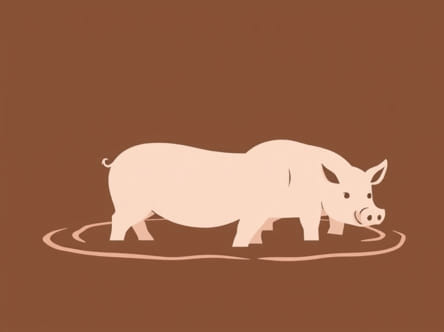
When observing pigs in their natural or farm environments, one common behavior that stands out is their tendency to roll around or lie in the mud. While it may appear messy or even comical, this behavior known as wallowing serves several essential functions for the animal’s health and well-being. Pigs wallow in mud mainly to regulate body temperature, protect their skin, and cope with environmental and social stress. Far from being a sign of dirtiness, wallowing is a complex and intelligent survival strategy. Understanding this behavior provides deeper insights into pig anatomy, physiology, and natural instincts.
Thermoregulation: Controlling Body Temperature
Lack of Sweat Glands
Pigs do not have functional sweat glands like humans do. This anatomical trait means they are not capable of cooling themselves through perspiration. As a result, pigs must rely on external means to lower their body temperature, especially in hot climates or during the summer months.
The Cooling Power of Mud
Mud acts as a natural coolant. When pigs roll in wet mud, the moisture on their skin slowly evaporates, much like how sweat cools the human body. This evaporative cooling effect helps maintain a stable internal body temperature and prevents overheating, which can be dangerous or even fatal in pigs.
Comparison with Other Animals
Other animals that lack sweat glands, such as elephants and buffalo, also engage in similar behaviors like bathing in water or dust. Wallowing is thus a shared evolutionary adaptation among several mammalian species for coping with heat stress.
Protection of the Skin
Natural Sunscreen
The mud layer that coats a pig’s body functions like sunscreen. It blocks harmful ultraviolet (UV) rays from the sun, preventing sunburn, which pigs are particularly susceptible to due to their relatively thin and light-colored skin.
Barrier Against Insects
Mud also acts as a protective barrier against biting insects such as flies, mosquitoes, and ticks. These pests can cause irritation, spread disease, and negatively impact a pig’s health and growth. A dried layer of mud can be surprisingly effective at repelling bugs and soothing itchy skin.
Wound Healing and Skin Care
In some cases, mud may even help clean small wounds or abrasions. As the mud dries and flakes off, it can take dirt and bacteria with it, acting as a natural exfoliant. This effect may promote healthier skin and reduce the risk of infection in minor injuries.
Behavioral and Psychological Benefits
Stress Relief
Wallowing can be a comforting behavior that helps pigs manage social and environmental stress. Whether due to overcrowding, heat, or changes in their surroundings, pigs may wallow to calm themselves and regain a sense of control.
Social Bonding
Pigs are highly social animals, and wallowing can be a group activity. When several pigs wallow together, it encourages bonding, communication, and the establishment of social hierarchy. This behavior helps maintain harmony within the group.
Exploratory Behavior
Especially in younger pigs, wallowing is part of exploratory play. They interact with their environment and stimulate their senses through texture and temperature changes. This interaction is vital for neurological development and emotional well-being.
Environmental Considerations
Habitat Preference
In the wild, pigs naturally seek out moist, shaded areas where mud is readily available. These environments are often located near water sources such as rivers or ponds. Even domesticated pigs will show a preference for these conditions if given the opportunity.
Impact of Farming Practices
Modern farming practices often restrict pigs’ access to mud for sanitary or logistical reasons. However, animal welfare experts suggest that providing pigs with an opportunity to wallow leads to improved health and reduced behavioral issues. Some progressive farms now incorporate artificial wallows or sprinklers to mimic natural conditions.
Ethical Farming and Pig Welfare
Ensuring pigs can express natural behaviors like wallowing is a key component of ethical animal husbandry. Allowing access to mud or equivalent enrichment aligns with the Five Freedoms of animal welfare, particularly the freedom to express normal behavior and the freedom from discomfort.
Wallowing Across Pig Breeds
Breed Differences
Not all pig breeds behave exactly the same when it comes to wallowing. Some breeds, particularly those raised in intensive farming systems, may be less likely to wallow if they have not been exposed to it from a young age. Others, such as heritage or outdoor breeds, are highly enthusiastic about wallowing.
Adaptation and Instinct
Regardless of breed, the instinct to wallow remains strong in pigs. Even pigs raised indoors with no access to mud will often display behaviors such as rooting or lying in damp areas, indicating a natural drive for environmental enrichment.
Misconceptions About Pig Cleanliness
The Dirty Stereotype
Pigs have long been unfairly labeled as dirty animals because of their association with mud. However, pigs are actually quite clean when allowed to choose their environment. They tend to keep their sleeping and waste areas separate and use mud for practical, hygienic reasons.
Hygiene Benefits
Far from being a sign of filth, mud can actually contribute to a pig’s hygiene by keeping it cool, protecting its skin, and deterring parasites. This shows that the behavior has strong evolutionary benefits and is not simply an indulgence.
Practical Applications for Farmers
Designing Outdoor Pens
Farmers who raise pigs outdoors should consider including shaded wallow areas filled with moist soil or clay. These should be maintained to avoid excessive contamination or mosquito breeding but should still allow pigs to express their natural behaviors.
Alternative Cooling Methods
In confined systems, where access to mud may not be practical, cooling mats, misters, or sprinkler systems can offer a humane alternative. However, these systems should be complemented with other forms of environmental enrichment to fully support pig welfare.
Wallowing in mud is far more than a messy pastime for pigs it is a vital survival strategy that supports their health, comfort, and psychological well-being. Pigs wallow in mud mainly to regulate their body temperature, protect their sensitive skin, avoid insect bites, and alleviate stress. This natural behavior is deeply rooted in their biology and instincts. Recognizing the importance of wallowing behavior helps us better understand pigs and encourages more ethical and informed animal care practices. Whether in the wild or on a farm, providing pigs the opportunity to wallow ensures they live healthier and happier lives, all while dispelling common myths about these highly intelligent animals.