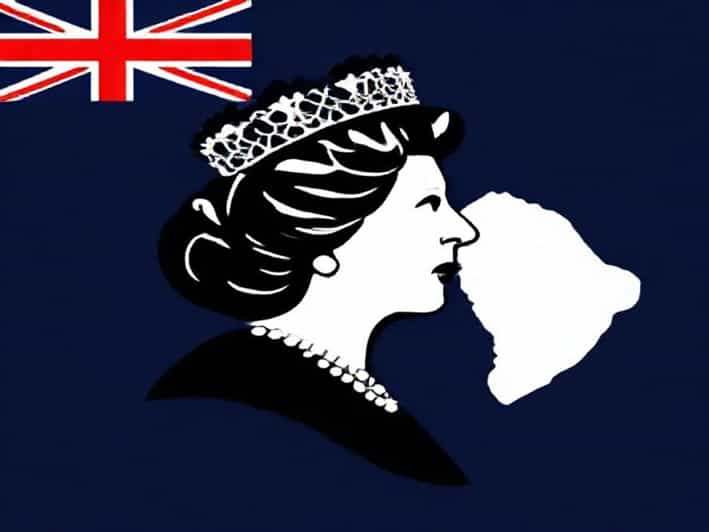
The Falklands War of 1982 was one of the most significant events in modern British history, testing the resolve and unity of the United Kingdom under the reign of Queen Elizabeth II. While the war was primarily a political and military conflict between Britain and Argentina over the sovereignty of the Falkland Islands, Queen Elizabeth played a vital symbolic and emotional role as the head of state. Her steady presence, measured communication, and dedication to supporting the armed forces helped maintain national morale during a time of crisis. Understanding the connection between Queen Elizabeth and the Falklands War offers valuable insight into how monarchy, leadership, and duty intertwine during moments of national tension.
Background of the Falklands War
The Falklands War began on April 2, 1982, when Argentine forces invaded the Falkland Islands, a British Overseas Territory located in the South Atlantic Ocean. Argentina had long claimed sovereignty over the islands, known to them as the Islas Malvinas, while the United Kingdom maintained its control and defended the right of the islanders to remain British. The invasion prompted the British government, led by Prime Minister Margaret Thatcher, to send a naval task force to reclaim the territory.
The conflict lasted for approximately ten weeks, ending on June 14, 1982, when Argentine forces surrendered. Britain’s victory reaffirmed its authority over the islands and strengthened national pride. However, the war came at a human cost, with 255 British and 649 Argentine lives lost.
Queen Elizabeth’s Constitutional Role During the War
As a constitutional monarch, Queen Elizabeth II did not take an active role in political or military decision-making. Those responsibilities rested with the elected government. However, her position as head of state and head of the Armed Forces gave her an important symbolic influence. Throughout the Falklands War, she remained a figure of unity and stability for the British people.
The Queen maintained regular communication with Prime Minister Margaret Thatcher during the conflict, as was customary in times of national crisis. Although their discussions were private, it is known that the Queen expressed deep concern for the welfare of the troops and the families affected by the war. Her consistent composure helped reinforce the image of Britain as determined, disciplined, and steadfast in its values.
Support for the Armed Forces
Queen Elizabeth’s long-standing commitment to the military was particularly evident during the Falklands War. As the mother of two sons serving in the Royal Navy Prince Andrew and Prince Charles she understood the personal risk faced by service members. Prince Andrew, then 22 years old, served as a helicopter pilot aboard HMS Invincible, one of the British aircraft carriers deployed to the South Atlantic. The Queen, like any parent, felt the anxiety of having her child in a combat zone but remained composed in public, setting an example of dignity and courage for the nation.
Her steady demeanor reassured the public and the families of servicemen and women. She frequently expressed gratitude and admiration for the courage of the armed forces, recognizing their commitment to defending British interests and the rights of the Falkland Islanders.
The Royal Family and Public Sentiment
During the Falklands War, the British public looked to the royal family for a sense of continuity and reassurance. Queen Elizabeth’s calm leadership, combined with visible support from other members of the royal family, helped boost morale at home. Prince Philip, a Royal Navy veteran of World War II, was also deeply engaged, following military developments closely and offering insights based on his own naval experience.
The Queen’s messages to the nation and her presence at memorial services after the war carried emotional significance. Her words acknowledged both the bravery of those who fought and the sorrow of families who had lost loved ones. This compassionate balance between pride in victory and mourning for the fallen helped the country begin to heal after the conflict.
National Unity and Monarchical Stability
The Falklands War took place during a period of political and economic strain in the United Kingdom. Industrial unrest, high unemployment, and social divisions had weakened public confidence in national leadership. In this context, Queen Elizabeth’s role as a neutral and unifying figure was crucial. Her enduring popularity and reputation for impartiality transcended political debates, allowing her to act as a moral anchor for the nation.
Her conduct during the conflict reinforced the idea of the monarchy as a steady institution that could weather even the most turbulent times. The Queen’s dedication to duty and her unwavering support for the country’s military helped strengthen public faith in both the monarchy and the government’s efforts abroad.
International Perception of Queen Elizabeth During the War
The Falklands War drew global attention, and Queen Elizabeth’s image as a dignified and steadfast leader played an important role in shaping international perceptions of Britain. While she did not engage in direct diplomacy, her global stature lent moral weight to the British position. As a respected figure across the Commonwealth and beyond, her presence reminded the world that the United Kingdom was not merely fighting over territory but standing up for the principle of self-determination and the protection of its citizens.
Her position also highlighted the continuity of British values discipline, duty, and resolve embodied by the monarchy. This continuity was particularly important at a time when Britain’s role on the world stage was being questioned. Queen Elizabeth’s calm authority projected an image of resilience that complemented the government’s military response.
Queen Elizabeth’s Personal Connection to the Conflict
Behind the formality of her role, the Falklands War had a deeply personal aspect for Queen Elizabeth. Prince Andrew’s deployment brought the conflict closer to the royal household than most national events during her reign. Despite the public pressure, she refused to request special treatment for her son, emphasizing that he should serve like any other officer. This decision was widely respected by both the military and the public, reinforcing the Queen’s reputation for fairness and integrity.
Reports from those close to the royal family indicated that the Queen followed news of the conflict closely and shared the nation’s relief when the British forces successfully reclaimed the islands. Her private pride in the courage of the troops was evident during later ceremonies and public appearances honoring veterans of the war.
Post-War Reflections and Honors
Following the British victory, Queen Elizabeth participated in numerous commemorative events and ceremonies to honor the sacrifices made during the Falklands War. She awarded medals to servicemen and women who had participated in the campaign and hosted receptions for their families. Her involvement underscored her deep respect for those who served and for the principles they defended.
In speeches delivered in the years that followed, the Queen often referred to the courage and determination shown during the Falklands campaign as a reflection of Britain’s enduring spirit. These remarks continued to resonate with veterans and the general public, reinforcing the emotional bond between the monarchy and the armed forces.
Legacy of Queen Elizabeth’s Role in the Falklands War
The Queen’s conduct during the Falklands War remains a defining example of her leadership style calm, composed, and rooted in duty. While she avoided political involvement, her symbolic presence provided a moral compass for the nation. She embodied the values of courage, unity, and perseverance that became associated with Britain’s success in the conflict.
The war also reinforced the monarchy’s relevance in modern times. In an age of increasing political polarization, Queen Elizabeth’s nonpartisan and compassionate leadership helped maintain public trust. Her steady hand during the Falklands War foreshadowed the way she would continue to guide the nation through later challenges, from economic downturns to global crises.
Impact on the Relationship Between Monarchy and Military
The Falklands War further strengthened the traditional bond between the British monarchy and the armed forces. The Queen’s visible support and deep personal connection to military life helped reaffirm the sense of honor and loyalty that underpins this relationship. Veterans of the war often spoke of their pride in receiving recognition from the Queen, viewing it as the highest expression of national gratitude.
For Queen Elizabeth, the conflict reaffirmed the enduring importance of service a theme that defined her entire reign. Her words and actions during and after the war reflected her lifelong belief that leadership is measured not by power or politics, but by commitment to duty and compassion for others.
Queen Elizabeth II’s role in the Falklands War exemplified her quiet strength and unwavering sense of responsibility. Though she did not direct military strategy or policy, her presence gave meaning and continuity to a nation at war. She stood as a symbol of unity when the country faced uncertainty, offering reassurance and dignity at every stage of the conflict. Her personal connection through Prince Andrew’s service deepened her understanding of the sacrifices made by Britain’s armed forces, while her public grace reinforced her position as a figure above politics devoted solely to the well-being of her people. The Queen Elizabeth Falklands War legacy endures as a powerful example of leadership grounded in duty, resilience, and compassion qualities that defined her reign and continue to inspire generations.