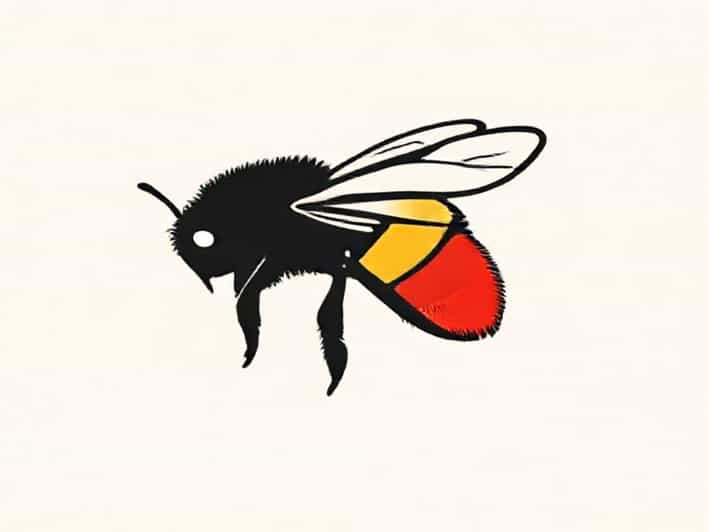
The queen red-tailed bumblebee is a fascinating and vital species in ecosystems, known for its distinctive red tail and impressive role in pollination. This bumblebee is the leader of the colony, responsible for reproduction and establishing new nests each season. Unlike worker bees, the queen is larger, more robust, and capable of surviving the winter to start a fresh colony in spring. Observing the queen red-tailed bumblebee provides insight into the complex social structure of bumblebee colonies and highlights the essential role these insects play in maintaining biodiversity. From gardens to wildflowers, their pollination work supports both natural ecosystems and agricultural production, making them critical for environmental health and food security.
Identification and Physical Characteristics
The queen red-tailed bumblebee is notable for its large size and vibrant coloring. Her body is covered in dense black fur with a distinctive red or orange tail, which distinguishes her from other bumblebee species. She also has yellow bands across the thorax and sometimes on the abdomen, making her easily recognizable for anyone studying pollinators in the wild. The queen’s robust physique enables her to fly long distances while searching for suitable nesting sites and foraging for nectar and pollen. These visual characteristics are important not only for identification but also for understanding her ecological role as the colony’s primary reproductive individual.
Life Cycle and Colony Structure
The life cycle of the queen red-tailed bumblebee begins in early spring, when she emerges from hibernation. After finding a suitable nesting site, often in abandoned rodent burrows or dense vegetation, she lays the first eggs that will become worker bees. These workers then take over the foraging and maintenance duties of the colony, allowing the queen to focus solely on reproduction. By late summer, the colony reaches its peak, producing new queens and male bees. The old queen and many workers die as winter approaches, while the new queens hibernate to start the cycle again the following year. This lifecycle highlights the queen’s central role in the survival and expansion of the species.
Habitat and Distribution
Queen red-tailed bumblebees are primarily found across Europe and parts of Asia, thriving in meadows, grasslands, gardens, and hedgerows. They prefer areas with a rich diversity of flowering plants, which provide nectar and pollen to sustain the colony. Urban gardens, farmland edges, and wildflower patches are all suitable habitats, illustrating the species’ adaptability. Conserving these habitats is crucial, as the queen’s choice of nesting site directly impacts colony survival. Additionally, environmental changes and habitat loss have made it increasingly important to monitor the presence and health of queen red-tailed bumblebees in various regions.
Feeding and Foraging Behavior
The queen red-tailed bumblebee is an effective forager, feeding on nectar for energy and collecting pollen to nourish her developing colony. She visits a variety of flowering plants, including clover, thistles, lavender, and wildflowers, demonstrating the species’ versatility in foraging. During early spring, before workers emerge, the queen is solely responsible for gathering food, making her efficiency essential for the colony’s survival. This feeding behavior not only sustains the bumblebee colony but also contributes significantly to pollination, which benefits ecosystems and agricultural crops alike.
Ecological Importance
The queen red-tailed bumblebee plays a vital role in pollination, supporting both wild plants and crops. By transferring pollen between flowers, she ensures plant reproduction and genetic diversity. This process is crucial for maintaining healthy ecosystems and sustaining food production. Additionally, the queen’s work lays the foundation for a robust colony, which in turn amplifies pollination efforts throughout the season. The presence of red-tailed bumblebees in a habitat is often an indicator of ecological health, reflecting the availability of flowering plants and a balanced environment.
Threats and Conservation
Despite their importance, queen red-tailed bumblebees face several threats, including habitat loss, pesticide exposure, climate change, and disease. Agricultural practices that reduce wildflower availability, urban development, and intensive land use all impact the availability of nesting and foraging sites. Conservation efforts focus on preserving natural habitats, planting pollinator-friendly gardens, and reducing pesticide use. Encouraging public awareness of the queen red-tailed bumblebee’s role and promoting sustainable practices can help ensure that these essential pollinators continue to thrive.
Behavior and Social Structure
The queen red-tailed bumblebee is central to the colony’s social structure. She is responsible for laying eggs and establishing the colony hierarchy, while worker bees maintain the nest and care for the young. This division of labor allows the colony to function efficiently, with the queen focusing on reproduction while workers manage food collection, nest defense, and temperature regulation. Understanding the queen’s behavior provides insight into bumblebee societies, which are highly organized and rely on cooperation to survive. Observing these dynamics can help researchers and gardeners support healthy bumblebee populations.
Reproduction and Mating
Mating occurs in late summer, when new queens leave the colony to mate with males from other colonies. After mating, the queens hibernate through the winter in safe, hidden locations. The survival of the queen during hibernation is critical for establishing the next generation of colonies. The reproductive strategy of the queen red-tailed bumblebee, including selective mating and seasonal hibernation, ensures genetic diversity and the resilience of the species. Protecting queens during this vulnerable period is essential for population sustainability.
Tips for Supporting Queen Red-Tailed Bumblebees
- Plant a diverse range of nectar-rich flowers that bloom throughout the season.
- Provide safe nesting areas, such as undisturbed garden patches or wildflower meadows.
- Avoid using pesticides and herbicides that can harm bumblebees and other pollinators.
- Encourage natural habitats near urban or agricultural areas to maintain biodiversity.
- Support conservation programs focused on pollinator protection and habitat restoration.
The queen red-tailed bumblebee is a remarkable species, essential for pollination, ecosystem health, and biodiversity. Her large size, vibrant red tail, and role as the colony’s reproductive leader make her a fascinating subject for study and observation. By understanding her life cycle, habitat needs, foraging behavior, and social structure, we can better appreciate her ecological importance and take steps to support her survival. Conservation efforts, habitat preservation, and public awareness are key to ensuring that the queen red-tailed bumblebee continues to thrive, benefiting both natural ecosystems and agricultural productivity. Observing and protecting this species not only helps maintain pollination services but also preserves the beauty and balance of the environment for future generations.