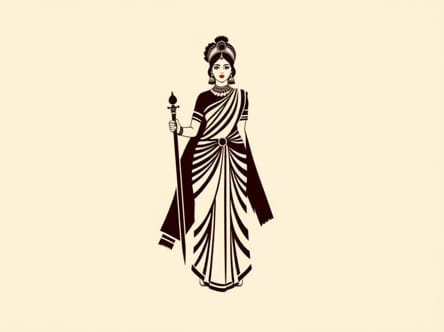
Rani Lakshmi Bai, the Queen of Jhansi, remains one of the most iconic figures in Indian history. Her fierce spirit, bravery in battle, and striking appearance continue to inspire people across generations. One of the most visually powerful aspects of her legacy is her getup the traditional warrior attire she wore, which has become symbolic of resistance, patriotism, and woman empowerment. Understanding the details of Rani Lakshmi Bai’s appearance offers more than aesthetic appreciation; it reflects her identity, her cultural roots, and the role she played in the fight against colonial rule.
The Historical Background of Rani Lakshmi Bai
Born as Manikarnika Tambe in 1828, Rani Lakshmi Bai was married to the Maharaja of Jhansi and later became the queen. During the 1857 revolt against British rule, she emerged as a fearless leader and became a central figure in India’s First War of Independence. Her appearance during this time, often remembered through illustrations, paintings, and reenactments, was that of a warrior queen, not only royal but battle-ready and determined.
The Elements of Rani Lakshmi Bai’s Warrior Attire
Rani Lakshmi Bai’s getup was more than just traditional Indian clothing. It was a blend of utility, dignity, and symbolism. Each component of her attire reflected her readiness to fight while maintaining her royal identity. Here are the main elements:
- Saree Draped in a Dhoti Style: Unlike the standard way women wore sarees at the time, she adopted a dhoti-style drape that allowed for freer movement, especially during combat.
- Armor and Breastplate: She wore protective gear made of metal to shield her chest and back in battle, signifying her preparedness for warfare.
- Turban with Feathers: Her headgear often included a turban, sometimes adorned with feathers or jewelry, symbolizing both regality and valor.
- Sword and Shield: Always seen with a sword and shield, Rani Lakshmi Bai mastered swordsmanship and horse riding, vital for her guerrilla warfare tactics.
- Boots or Riding Shoes: Practical footwear suited for horse riding completed her look, further establishing her as a warrior rather than just a queen.
The Cultural and Political Significance of Her Appearance
Rani Lakshmi Bai’s getup was not only functional but deeply symbolic. It challenged traditional gender norms of the 19th century. At a time when women were expected to remain in the private sphere, she stepped into battlefields, dressed as a warrior, commanding respect and fear alike. Her attire conveyed a message that women could be leaders, strategists, and freedom fighters.
Influence on Indian Freedom Fighters and Popular Culture
Throughout the freedom movement and even in modern times, her image has been used to inspire resistance and pride. From school plays to films and national commemorations, the depiction of Rani Lakshmi Bai’s getup is consistently used to evoke patriotic emotions. Costumes worn by actors portraying her follow the historical template of her warrior attire, reinforcing her cultural image.
Her getup also became a reference point for women in various resistance movements across India. It encouraged the idea that femininity and strength are not mutually exclusive, and one can be both graceful and formidable.
Creating the Rani Lakshmi Bai Look Today
Many cultural events, history-themed functions, and patriotic celebrations include tributes to Rani Lakshmi Bai. Replicating her appearance has become a way to honor her legacy. Here’s how the look can be recreated:
- Costume: Use a cotton or silk saree in bold colors like red or orange, draped in a dhoti style.
- Accessories: Metallic breastplate or decorative armor elements, traditional gold jewelry, and a waistband (kamarbandh) can enhance authenticity.
- Turban: A cloth tied in a turban style, preferably with embellishments or plume, is essential for the headpiece.
- Props: Wooden or plastic replicas of a sword and shield can be included for dramatic effect.
- Footwear: Brown or black boots resembling riding shoes will complete the look.
This portrayal is not just about appearance but about embodying the values of courage, determination, and resistance that Rani Lakshmi Bai represents.
Why the Getup Still Resonates Today
In modern India and across the globe, visual symbols remain powerful communicators of identity and values. Rani Lakshmi Bai’s getup serves as a strong visual symbol of women’s empowerment and defiance against injustice. It’s no surprise that she is considered one of the earliest feminist figures in Indian history. Her attire, once seen in the context of 19th-century India, now finds relevance in conversations around gender roles, national pride, and social justice.
Educational Value and Historical Reenactments
Teachers and educators use her image and getup to teach children about India’s history. Wearing the costume during dramatizations helps students connect emotionally to the story. Schools, history museums, and cultural organizations use her appearance as an anchor to tell the story of India’s struggle for independence.
Through these reenactments, children and adults alike learn that history is not just about dates and events but about people, identities, and expressions of resistance all of which are powerfully captured in how a figure like Rani Lakshmi Bai presented herself.
A Getup That Tells a Story
The Rani Lakshmi Bai getup is much more than a historical costume. It tells the story of a young woman who rose to become a symbol of India’s resistance against colonial rule. Each element of her attire from the dhoti-style saree to the gleaming sword conveys a message of bravery, leadership, and sacrifice. In honoring her appearance, we also honor her spirit and the values she stood for. Today, her getup continues to influence cultural representations, educational narratives, and the broader discourse on women’s roles in history and society.