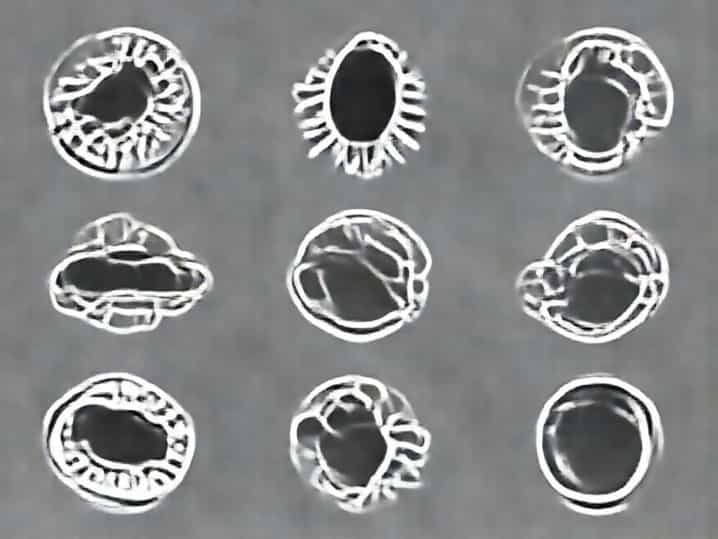
Protozoa are fascinating single-celled organisms that exhibit remarkable diversity in their biological processes. Among the most interesting aspects of their life cycle is reproduction. Unlike more complex organisms, reproduction in protozoa involves both simple and sophisticated mechanisms, depending on the species and environmental conditions. Understanding how protozoa reproduce is important for biology, medicine, and ecology because many protozoa play roles in nutrient cycles, food chains, and even human diseases. Their reproductive strategies ensure survival, adaptation, and genetic variation, making them resilient across a wide range of environments.
Asexual Reproduction in Protozoa
The most common method of reproduction in protozoa involves asexual processes. Asexual reproduction is efficient, allowing a single organism to quickly multiply and colonize an environment without the need for a partner. Several key methods fall under this category
Binary Fission
Binary fission is the simplest and most widespread form of reproduction in protozoa. In this process, the protozoan cell divides into two identical daughter cells. Each new cell contains a complete set of genetic material and has the ability to grow and divide again. Binary fission ensures rapid population growth, particularly when conditions are favorable, such as adequate food and stable temperature.
Multiple Fission
In some protozoa, reproduction involves multiple fission, also known as schizogony. Instead of dividing into just two cells, the nucleus undergoes repeated divisions before the cytoplasm splits, producing many daughter cells at once. This process is especially common in parasitic protozoa, such as Plasmodium, the organism responsible for malaria. Multiple fission allows for explosive increases in population size within a host, which can have major implications for disease progression.
Budding
Another form of asexual reproduction in protozoa involves budding. In this process, a small outgrowth forms on the parent cell, gradually enlarges, and eventually detaches to become a new individual. Budding is less common in protozoa compared to binary fission, but it still plays a role in certain groups where adaptation to specific environments is necessary.
Sexual Reproduction in Protozoa
Although asexual reproduction dominates, reproduction in protozoa also involves sexual processes in many species. Sexual reproduction introduces genetic variation, which is vital for adaptation and survival in changing environments. There are several forms of sexual reproduction observed in protozoa
Conjugation
Conjugation is a well-studied process in ciliate protozoa such as Paramecium. During conjugation, two protozoa come together and exchange genetic material through a temporary cytoplasmic bridge. This process does not result in an immediate increase in population size, but it enhances genetic diversity. Conjugation is crucial for ensuring that populations of protozoa remain adaptable and resistant to environmental stress.
Syngamy
Syngamy involves the fusion of gametes to form a zygote. In this process, specialized reproductive cells, called gametes, are produced and later unite. This type of reproduction is seen in many parasitic protozoa, including those that infect humans and animals. The formation of a zygote allows for the combination of genetic material from two individuals, promoting variation.
Autogamy
Autogamy is a form of self-fertilization that occurs within a single protozoan cell. The nucleus undergoes meiosis, and then fusion occurs between the resulting nuclei within the same organism. This process still allows for genetic recombination, even though it does not require another organism. Autogamy is observed in certain ciliates and ensures that genetic diversity is maintained even when population density is low.
Alternation Between Asexual and Sexual Reproduction
One of the unique aspects of protozoan life cycles is the ability to alternate between asexual and sexual reproduction. This flexibility allows them to maximize survival. For example, when conditions are favorable, protozoa often rely on rapid asexual reproduction to multiply quickly. When conditions become stressful, such as scarcity of resources, sexual reproduction is triggered to produce more genetically diverse offspring that can better adapt to the changing environment. This strategy highlights how reproduction in protozoa involves both efficiency and adaptability.
Role of Reproduction in Parasitic Protozoa
Parasitic protozoa have complex reproductive strategies that often involve multiple hosts. Their survival depends on the ability to reproduce efficiently within hosts and to transmit successfully to new ones. For instance
- Plasmodium speciesReproduction involves both asexual multiplication in human hosts and sexual reproduction in mosquito vectors, making the life cycle highly adapted to transmission.
- Trypanosoma speciesThese parasites reproduce asexually within their hosts but also rely on genetic recombination processes that enhance diversity.
- Giardia speciesThese protozoa primarily reproduce through binary fission but are also capable of genetic exchange under certain conditions.
Such strategies ensure that parasitic protozoa can persist despite host immune responses and environmental challenges.
Environmental Influence on Reproduction
The type of reproduction in protozoa often depends on environmental factors. Nutrient availability, temperature, pH, and population density can all influence whether protozoa rely on asexual or sexual reproduction. In favorable conditions, asexual methods dominate due to their efficiency. However, when stress occurs, sexual reproduction introduces variation that increases the chances of long-term survival. This adaptability demonstrates why protozoa thrive in diverse ecosystems, from freshwater ponds to animal intestines.
Reproductive Adaptations for Survival
Beyond simple multiplication, reproduction in protozoa involves strategies for survival. Some protozoa form cysts as part of their reproductive cycle. Cyst formation allows them to withstand harsh conditions such as drying, lack of food, or extreme temperatures. When conditions improve, cysts excyst to release active protozoa that can continue reproducing. This adaptation makes protozoa highly resilient and capable of surviving in fluctuating environments.
Importance of Studying Protozoan Reproduction
Understanding reproduction in protozoa is important for several reasons. In medicine, it helps scientists develop strategies to combat parasitic infections that affect millions worldwide. In ecology, it provides insight into how protozoa contribute to nutrient cycling and food webs. In basic biology, protozoa serve as models for studying cellular processes, genetic recombination, and evolutionary strategies. By learning how reproduction in protozoa involves both asexual and sexual mechanisms, we gain a deeper appreciation of their complexity and adaptability.
Reproduction in protozoa involves a wide range of processes, from simple binary fission to complex sexual mechanisms like conjugation and syngamy. These strategies not only allow protozoa to multiply efficiently but also ensure genetic diversity and adaptability in challenging environments. Whether free-living in aquatic ecosystems or parasitic within human hosts, protozoa demonstrate extraordinary reproductive versatility. Their ability to alternate between asexual and sexual reproduction, form protective cysts, and adapt to multiple hosts makes them some of the most resilient microorganisms on Earth. Studying these processes continues to be essential for advancing science, medicine, and ecology.