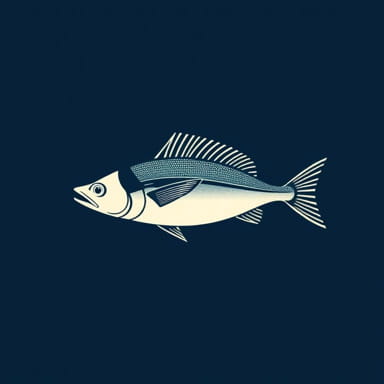
Targeting mackerel with garfish as bait is a time-tested technique favored by many saltwater anglers. Mackerel are aggressive, fast-swimming predators that respond well to natural baits, and garfish due to their slender profile and shimmering skin are especially effective in mimicking the fish these predators often chase. Properly rigging garfish for mackerel fishing can make the difference between a slow day on the water and a full cooler. Whether you are trolling, drifting, or casting, understanding the best ways to rig garfish is essential to increasing your catch rate and making the most of your fishing trip.
Why Garfish is Effective for Mackerel
Natural Appearance and Movement
Garfish, with their long and narrow body, closely resemble many of the small baitfish that mackerel naturally feed on. Their natural silver shine reflects light in the water, making them an irresistible target. When rigged correctly, garfish swim with an enticing, life-like motion that triggers strikes even from wary fish.
Scent and Texture Advantage
Unlike artificial lures, fresh or freshly frozen garfish carry a natural scent and feel that can convince hesitant mackerel to commit to a strike. The soft body and organic texture give an added edge when fish are being selective or cautious, especially in clearer waters or under heavy fishing pressure.
Choosing the Right Garfish for Rigging
Before rigging, selecting high-quality bait is crucial. The fresher the garfish, the more effective it will be in the water. Here are some tips for choosing the right garfish:
- Freshness: Look for clear eyes, a firm body, and natural coloration. Avoid garfish that appear dull, soft, or have sunken eyes.
- Size: Match the size of the garfish to the target mackerel species. For larger Spanish or king mackerel, use garfish 812 inches long. For smaller species like school mackerel, 58 inches is ideal.
- Condition: Ensure the bait is not bent or damaged. Straight, whole-bodied garfish rig better and swim more naturally.
Essential Gear for Rigging Garfish
Proper equipment is necessary to secure the bait and withstand the power and teeth of mackerel. Here’s what you’ll need for an effective garfish rig:
- Wire trace: Mackerel have sharp teeth, so monofilament or fluorocarbon alone will not suffice. Use a 3050 lb wire trace.
- Treble and single hooks: Commonly used in combination for secure hookups. Size depends on the bait size but typically ranges from 2/0 to 5/0.
- Swivels: Use strong barrel swivels to prevent line twist.
- Bait thread or elastic: Helps to secure the garfish to the rig without cutting into the flesh.
- Crimping tool or pliers: Essential for securing wire and making tight, safe connections.
Popular Garfish Rigging Methods
Slow-Trolled Dead Garfish Rig
This method is ideal for slow trolling behind a boat in calm to moderate waters. The goal is to create a realistic swimming motion as the bait moves through the water.
Steps to Rig:
- Start with a length of wire trace, about 1824 inches long.
- Attach a swivel to one end and a treble hook to the other using crimps or twist connections.
- Add a second treble hook on a short dropper (34 inches) midway down the wire to pin the back of the bait.
- Insert the front treble into the garfish’s mouth and out through the top of the head. This secures the front of the bait.
- Place the rear hook into the body or flank of the garfish, ensuring it lies naturally and doesn’t twist.
- Use bait thread to tightly wrap around the mouth and head to keep the bait firm and aligned for trolling.
This setup allows the garfish to swim smoothly with minimal spin. It’s highly effective for Spanish and king mackerel.
Drifting or Float Rig for Garfish
When mackerel are feeding near the surface or are scattered throughout the water column, a float rig with a suspended garfish can be highly productive.
Steps to Rig:
- Use a float stop and sliding float on your mainline, followed by a swivel to connect your wire leader.
- Attach a wire leader of 1830 inches, ending with a single hook or a tandem hook rig.
- Insert the hook through the garfish’s back just behind the head or through the nostrils for a natural presentation.
- Adjust the float stop to set your desired depth, typically between 4 and 12 feet depending on conditions.
This rig allows the bait to drift naturally with the current, attracting nearby mackerel. It’s perfect for pier fishing or calm offshore waters.
Spinning Rig with Garfish
If you prefer casting and retrieving, you can use a weighted rig to launch your bait and retrieve it with a lifelike swimming motion.
Steps to Rig:
- Use a jig head or lead insert that fits snugly into the garfish’s mouth.
- Secure the bait by threading wire or elastic around the head to keep it attached to the jig.
- Attach a stinger treble to the rear of the bait using a short wire dropper for better hook coverage.
- Cast and retrieve slowly with pauses to let the bait flutter. This mimics a wounded fish and often triggers aggressive strikes.
Tips for Successful Fishing with Rigged Garfish
- Keep bait cold: Store your garfish on ice before use to maintain firmness and prevent spoilage.
- Match the hatch: Choose garfish sizes and colors that resemble the natural baitfish in the area.
- Check local regulations: Make sure using natural bait and wire rigs complies with local fishing laws.
- Use fresh rigs: Re-rig your bait every few casts or after each strike to keep it looking natural.
- Adjust trolling speed: If the bait spins, slow down your speed or re-check your rig alignment.
Advantages of Using Garfish Over Artificial Lures
While many anglers swear by metal spoons or trolling lures, garfish often outperform them, especially when fish are being finicky. The natural scent, realistic feel, and swimming motion of garfish make them more convincing than synthetic options. Also, the versatility of how you can rig and present them from trolling to casting means you can cover a wider range of fishing scenarios.
Rigging garfish for mackerel is a skill that can greatly enhance your saltwater fishing success. From slow-trolled setups to float rigs, there are multiple ways to present this natural bait effectively. By understanding how to choose, rig, and fish with garfish, you’ll increase your chances of landing more mackerel, even when conditions are tough. With the right gear, careful rigging, and attention to detail, garfish can become your go-to bait for exciting and productive days on the water.