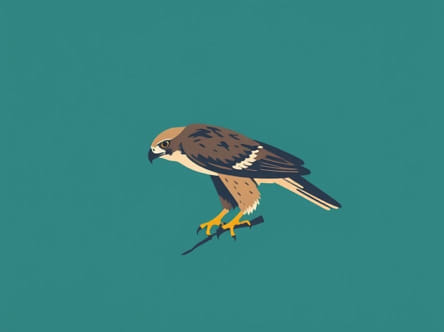
The Sharp-shinned Hawk is a small yet formidable raptor known for its agility, speed, and stealthy hunting behavior. Found across North America, these hawks are frequently seen darting through wooded areas or surprising prey at backyard bird feeders. One of the most fascinating aspects of this species is its diet, which is carefully adapted to its physical build and environment. Despite its relatively small size, the Sharp-shinned Hawk is an efficient predator, primarily feeding on birds but also occasionally consuming insects and small mammals. Understanding the Sharp-shinned Hawk’s diet provides insight into its ecological role and its adaptability in various habitats.
Main Components of the Sharp-shinned Hawk Diet
Birds: The Primary Prey
Birds make up the vast majority of the Sharp-shinned Hawk’s diet. These hawks are avian specialists and have evolved to capture birds mid-flight or while perched in shrubs and trees. Their preferred prey consists mainly of small songbirds, which are both abundant and nutritionally sufficient.
- American sparrows
- Finches (such as House Finches and Goldfinches)
- Warblers
- Wrens and chickadees
- Young starlings or blackbirds
They use their powerful talons and quick reflexes to snatch birds in midair or ambush them from cover. Their ability to navigate dense foliage at high speeds allows them to surprise their prey before it has a chance to escape.
Occasional Mammals
Although birds are the primary food source, Sharp-shinned Hawks will also take small mammals when the opportunity arises. This behavior is more common during the breeding season when extra food is required to feed chicks or when bird prey is scarce.
- Rodents such as mice and voles
- Small squirrels
- Bats (rarely)
These mammals are typically captured on the ground and are not as easily targeted as birds, so they form a much smaller portion of the hawk’s diet.
Insects and Other Prey
Insects occasionally make their way into the Sharp-shinned Hawk’s diet, particularly in warmer months or during migration. These include:
- Large beetles
- Grasshoppers
- Dragonflies
- Butterflies and moths
These insects are consumed more by juveniles learning to hunt or during periods when other prey is less accessible. While not a major food source, insects can offer a quick meal when birds or mammals are unavailable.
Hunting Techniques and Feeding Behavior
Ambush Hunting
Sharp-shinned Hawks are masters of ambush. They rely on cover and stealth to get close to their prey before launching a swift and direct attack. Unlike some larger raptors that soar and scan the ground, these hawks hunt from a concealed perch or by flying low through trees and shrubs.
High-Speed Pursuit
These hawks are incredibly agile and can change direction quickly in flight. When a prey bird takes off, the hawk is capable of following through tight spaces in forests or gardens, often catching the target mid-air. Their short wings and long tails give them exceptional maneuverability.
Feeding Sites
After capturing prey, a Sharp-shinned Hawk usually carries it to a hidden perch to feed. They pluck the feathers before eating and may take larger prey back to a nest during the breeding season. You might find feather piles or bird remains in a quiet corner of a forest a sign of their presence.
Impact on Songbird Populations
Natural Balance
Despite targeting songbirds, Sharp-shinned Hawks are not a major threat to overall bird populations. Predation is a natural part of ecosystem regulation. In fact, hawks often focus on weak, young, or sick individuals, which can help maintain healthy populations of prey species.
Effect on Bird Feeders
In suburban or urban areas, Sharp-shinned Hawks are known to patrol backyard feeders where birds gather. This has led some bird lovers to view them negatively, but it’s important to remember they are acting on natural instinct.
- Hawks do not hunt out of malice but survival
- Temporarily removing bird feeders can deter hawks
- Dense vegetation nearby offers songbirds better cover
Seasonal Diet Variation
Breeding Season
During the nesting period, parents must provide ample food for their chicks. This often results in a broader range of prey being targeted, including slightly larger birds or more frequent hunts. The demand for protein increases dramatically during this time.
Migration Period
Sharp-shinned Hawks migrate long distances from breeding grounds in northern forests to warmer southern climates. During this time, their diet may shift depending on availability. Opportunistic feeding on insects and unfamiliar bird species is common during migration.
Winter Feeding
In colder months, these hawks often hunt near human habitation where prey may gather in greater numbers. Feeders can unintentionally provide a rich hunting ground, and urban-adapted individuals may become more visible during this time.
Sharp-shinned Hawk vs Cooper’s Hawk Diet
The Sharp-shinned Hawk is often confused with the larger Cooper’s Hawk, especially since both species share similar habitats and appearances. However, their diets have subtle differences:
- Sharp-shinned Hawksfocus more on small birds, such as sparrows and finches.
- Cooper’s Hawkscan take larger birds like doves and even small chickens.
- Both species occasionally eat mammals, but this is more typical in Cooper’s Hawks.
Understanding these distinctions is helpful for birdwatchers and researchers studying local raptor populations.
Adaptability and Urban Survival
Diet Flexibility
The Sharp-shinned Hawk’s ability to adapt its diet based on availability is one of the reasons it has survived in a wide range of environments. Whether in remote forests, farmlands, or city parks, these hawks continue to find prey and adapt to human-altered landscapes.
Predator Role in Ecosystems
As mid-level predators, Sharp-shinned Hawks help maintain balance among smaller bird and rodent populations. Their presence indicates a healthy, functioning ecosystem. Their diet links them to both prey and predator chains, highlighting their importance in the food web.
The diet of the Sharp-shinned Hawk is a testament to its efficiency as a predator and its adaptability to different environments. Primarily feeding on small birds, with occasional supplements of mammals and insects, this hawk plays a critical role in regulating prey populations across its range. Its stealthy hunting techniques, seasonal flexibility, and ability to thrive in both wild and urban settings make the Sharp-shinned Hawk one of North America’s most intriguing birds of prey. Whether soaring through a forest canopy or darting through suburban hedges, this hawk is a reminder of nature’s precision and balance, perfectly reflected in its diet and behavior.