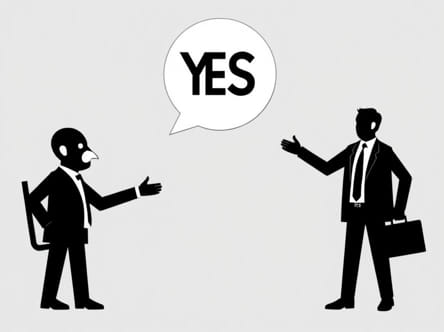
In professional and social environments, it is not uncommon to encounter individuals who go out of their way to please others, especially those in power. While it may seem flattering at first glance, there is a fine line between respectful agreement and manipulative flattery. Two terms often used to describe such behavior are sycophant and yes man. Though these words are sometimes used interchangeably, they have distinct meanings and implications. Understanding the difference between a sycophant and a yes man can help people navigate relationships more effectively and protect themselves from unhealthy influence.
Understanding the Term Sycophant
Definition and Origin
The word sycophant refers to someone who acts overly flattering toward someone important, usually for personal gain. A sycophant is someone who uses deceitful praise, often insincere, to gain favor, promotion, or protection. The term has its roots in ancient Greece, originally referring to informers or accusers, but over time it evolved to denote someone who flatters for self-serving purposes.
Key Characteristics of a Sycophant
- Excessive and often insincere flattery
- Manipulative intentions behind the praise
- Obsession with gaining favor or advantage
- May sabotage others to rise in ranks
- Lacks honesty and genuine concern
A sycophant might agree with every idea a boss has, praise trivial things just to stand out, or constantly seek to be noticed, not out of admiration but out of desire for personal benefit.
Who Is a Yes Man?
Definition and Usage
A yes man is someone who agrees with everything that a superior or authority figure says or does, often out of fear, loyalty, or lack of confidence in their own opinions. Unlike a sycophant, a yes man might not necessarily flatter, but simply avoids conflict by always saying yes, regardless of their true thoughts or the consequences.
Key Characteristics of a Yes Man
- Always agrees, even when they disagree internally
- Avoids confrontation or expressing dissent
- Seeks safety in agreement
- Often lacks initiative or courage to speak up
- Does not challenge bad decisions
While yes men may appear loyal and agreeable, they can be dangerous in team environments because their silence can allow poor decisions to go unchallenged, leading to larger problems down the line.
Comparing Sycophant and Yes Man
Motivations Behind the Behavior
One of the main differences between a sycophant and a yes man lies in their motivation. A sycophant is often driven by self-interest. They deliberately flatter and manipulate to gain something in return. Their behavior is strategic and calculated. In contrast, a yes man may simply lack confidence or fear the consequences of dissent. Their motivation is more passive, often rooted in insecurity rather than manipulation.
Impact on the Organization
Both sycophants and yes men can have a negative effect on a workplace. A sycophant can create an environment of distrust, where people feel they must flatter rather than perform. They may also disrupt team harmony by undermining others. Yes men, on the other hand, can hinder innovation and progress. By failing to challenge bad ideas or suggest better ones, they contribute to stagnation and poor decision-making.
Authenticity and Integrity
Sycophants typically lack authenticity. Their praise is insincere, and they often have hidden agendas. They are willing to say or do whatever benefits them, even if it means betraying colleagues. Yes men may not be dishonest, but they compromise their integrity by not standing up for what they truly believe. In both cases, the absence of honesty is a concern, but the intentions behind it differ.
Real-Life Examples of Sycophants and Yes Men
Example of a Sycophant
Imagine a corporate employee who constantly flatters their manager, takes credit for others’ work, and reports minor infractions of coworkers to appear more competent. Their primary goal is to be promoted or to gain favor, regardless of how their behavior affects others.
Example of a Yes Man
Consider a team member in a meeting who always nods in agreement with the boss, even when the proposed strategy is clearly flawed. The employee may disagree internally but says nothing out of fear of retaliation or because they want to be seen as loyal. This passive agreement can lead to poor outcomes if no one voices their concerns.
How to Identify and Deal with Sycophants and Yes Men
Warning Signs
- Never offers constructive criticism
- Always agrees with people in authority
- Constantly praises superiors with exaggerated compliments
- Rarely contributes original ideas
- Avoids confrontation at all costs
Strategies for Leaders
For those in leadership roles, it is important to create a culture that discourages sycophancy and passive agreement. Encourage honest feedback and reward those who speak up with ideas or concerns. Make it clear that blind agreement is not a sign of loyalty, and that healthy dissent is necessary for growth and innovation.
Healthy Alternatives to Sycophantic and Passive Behavior
Being a Constructive Team Player
Instead of being a sycophant or a yes man, individuals should aim to be respectful but assertive. A constructive team player offers genuine praise when deserved, expresses concerns with tact, and values collaboration over manipulation. They are not afraid to voice different opinions but do so with professionalism.
Developing Confidence
For those who find themselves slipping into yes man tendencies, developing confidence is key. Learning how to express opinions respectfully and to disagree diplomatically can empower individuals to be more honest and effective contributors. Leaders can help by encouraging an open environment where everyone feels safe to speak their mind.
Choosing Integrity Over Flattery
Understanding the difference between a sycophant and a yes man is important for anyone working in a team or organization. While both may seem harmless at first, their behavior can erode trust, hinder productivity, and create toxic environments. A sycophant seeks to manipulate, while a yes man seeks to avoid conflict. Neither approach serves long-term success. The healthiest workplaces are built on honesty, constructive feedback, and mutual respect. Rather than falling into the traps of flattery or compliance, strive to be authentic, principled, and brave enough to say what truly matters.