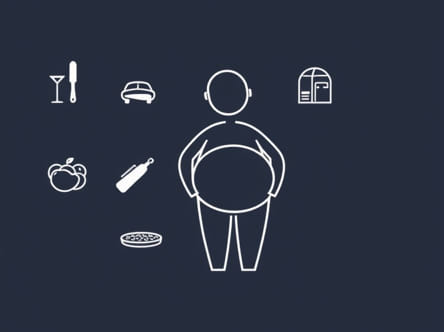
Obesity has become a global health crisis, with rising prevalence affecting millions of people across all age groups. Its multifactorial nature makes it a complex public health challenge, influenced by biological, environmental, behavioral, and societal factors. Understanding the contributors to obesity is essential for developing effective prevention and intervention strategies. While no single cause explains the epidemic, researchers have identified multiple putative contributors that interact in intricate ways to promote weight gain and metabolic dysfunction. By examining these factors, we can gain a clearer picture of why obesity has escalated so dramatically in recent decades.
1. Energy-Dense Diets
The modern diet has shifted toward high-calorie, energy-dense foods that are rich in sugars, refined carbohydrates, and unhealthy fats. Fast food, processed snacks, sugary beverages, and convenience foods are widely available and affordable, contributing to excessive caloric intake. Consuming energy-dense diets regularly leads to positive energy balance, where calorie intake exceeds energy expenditure, resulting in weight gain over time.
2. Sedentary Lifestyle
Physical inactivity is a major factor contributing to the obesity epidemic. Sedentary behaviors, including prolonged screen time, office work, and reduced participation in recreational physical activity, lower daily energy expenditure. Modern urban environments often discourage walking or cycling, and reliance on cars for transportation further limits opportunities for natural physical activity, creating conditions favorable for weight gain.
3. Genetic Predisposition
Genetic factors play a significant role in individual susceptibility to obesity. Variations in genes related to appetite regulation, metabolism, fat storage, and energy expenditure can increase the likelihood of weight gain. While genetics alone cannot account for the epidemic, they interact with environmental and lifestyle factors to influence the risk of developing obesity, making some individuals more vulnerable than others.
4. Hormonal and Metabolic Factors
Hormones such as leptin, ghrelin, insulin, and cortisol regulate appetite, satiety, and energy metabolism. Dysregulation of these hormonal systems can lead to increased hunger, reduced satiety, and altered fat storage. Metabolic adaptations, including lower resting energy expenditure in response to caloric restriction, can further complicate weight management, creating a biological environment conducive to obesity.
5. Sleep Deprivation
Insufficient or poor-quality sleep has been linked to obesity through multiple mechanisms. Sleep deprivation alters the balance of appetite-regulating hormones, increases cravings for high-calorie foods, reduces energy expenditure, and affects glucose metabolism. Chronic sleep restriction is common in modern society, particularly among individuals with demanding work schedules, contributing to the prevalence of obesity.
6. Psychological and Behavioral Factors
Mental health conditions, stress, emotional eating, and certain behavioral patterns can contribute to weight gain. High stress levels and depression may lead to overeating or preference for comfort foods, often high in fat and sugar. Additionally, reward-based eating and habits developed in early childhood can reinforce behaviors that promote excessive caloric intake over a lifetime.
7. Environmental and Societal Influences
The environment in which people live significantly impacts their risk for obesity. Urban design, food availability, marketing of unhealthy foods, socioeconomic factors, and cultural norms all shape dietary and physical activity behaviors. Food deserts, neighborhoods with limited access to fresh produce, and pervasive advertising of calorie-dense products create environments that encourage weight gain.
8. Microbiome Alterations
Emerging research suggests that the gut microbiome may influence energy balance and fat storage. Differences in gut microbial composition can affect digestion, nutrient absorption, and metabolic signaling. Dysbiosis, or imbalance of gut bacteria, may promote inflammation and alter metabolism, potentially contributing to the development and maintenance of obesity.
9. Medications and Medical Conditions
Certain medications, such as corticosteroids, antipsychotics, antidepressants, and insulin, can contribute to weight gain as a side effect. Additionally, medical conditions like hypothyroidism, polycystic ovary syndrome (PCOS), and Cushing’s syndrome can predispose individuals to obesity through hormonal and metabolic disruptions. These factors, when combined with lifestyle and environmental influences, can exacerbate weight gain.
10. Early Life Factors
Events during fetal development, infancy, and early childhood can have lasting impacts on weight regulation. Maternal nutrition, gestational diabetes, low birth weight, formula feeding, and early exposure to high-calorie diets can program metabolism and appetite control in ways that increase obesity risk later in life. Early life interventions are therefore critical to preventing obesity across the lifespan.
Integrating the Contributors
The obesity epidemic is not driven by a single factor but by the complex interaction of these ten contributors. Energy-dense diets, sedentary lifestyles, and genetic predispositions often interact with hormonal, metabolic, and psychological factors to create sustained positive energy balance. Environmental influences, early life exposures, and medical conditions further amplify these effects, making obesity a multifaceted challenge that requires comprehensive strategies to prevent and manage.
Addressing the Obesity Epidemic
Effective interventions require a multi-pronged approach that addresses both individual behaviors and broader societal factors. Strategies include promoting healthier dietary patterns, increasing physical activity opportunities, designing supportive urban environments, implementing public health campaigns, providing access to preventive healthcare, and tailoring interventions for high-risk populations. Education and early intervention are particularly important to counteract early life and behavioral contributors.
Obesity is a complex and growing public health concern with multiple contributing factors. Ten putative contributors, including diet, physical inactivity, genetics, hormonal imbalances, sleep deprivation, psychological influences, environmental conditions, gut microbiome alterations, medication use, and early life factors, interact to create an epidemic that affects millions worldwide. Addressing obesity requires comprehensive, evidence-based strategies that target these diverse contributors while fostering sustainable lifestyle changes. By understanding the interplay of these factors, healthcare providers, policymakers, and communities can better design interventions to reduce obesity prevalence and improve overall population health.