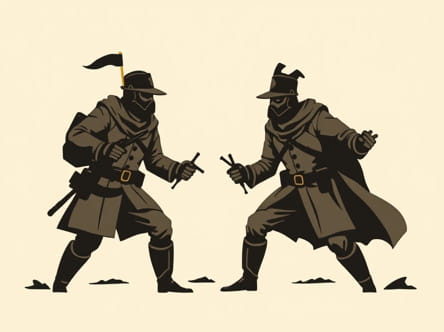
The relationship between colonial administrators and indigenous populations often reveals the imbalance of power and manipulation that characterized the era of imperial expansion. One such instance is found in the narrative involving the District Commissioner, a figure emblematic of colonial authority, and the clansmen in Chinua Achebe’s novel Things Fall Apart. The commissioner uses deceitful tactics cloaked in diplomacy to trick the clan leaders, an act that encapsulates the broader strategies of colonial domination. This event not only marks a pivotal turning point in the novel but also exposes the psychological and structural tools employed by colonizers to undermine traditional societies.
Background of the Story
The novel Things Fall Apart by Chinua Achebe centers around Okonkwo, a respected leader in the Igbo community of Umuofia. The story documents the cultural richness of the Igbo people and how it begins to unravel with the arrival of European missionaries and colonial administrators. As European influence grows, traditional authority is weakened and displaced.
Among the colonial figures, the District Commissioner plays a symbolic role in representing British rule. His interactions with the Igbo people are shaped by a fundamental lack of respect for their customs, governance, and autonomy. The commissioner’s trickery towards the clansmen becomes a clear example of how colonial power was often exercised through betrayal rather than brute force alone.
The Incident of Deception
The Invitation to Dialogue
One of the most manipulative moments in the story is when the District Commissioner invites six leaders of Umuofia, including Okonkwo, to a meeting under the guise of peaceful discussion. The context surrounding this invitation is important. The Igbo leaders had gone to protest the actions of the missionaries and to assert their authority. Rather than meeting them with genuine openness, the commissioner uses their trust against them.
He promises a civilized dialogue but instead uses the opportunity to arrest and humiliate them. They are handcuffed and thrown in jail without any meaningful conversation. This act of deceit is not just a personal betrayal, but a political maneuver designed to demoralize and control the community.
Purpose Behind the Trick
The goal of the commissioner’s trick is clear to demonstrate colonial dominance and to discourage further resistance from the Igbo people. By luring the leaders under false pretenses, he aims to discredit them in the eyes of their followers and to break the spirit of the village. It is a psychological tactic not just punishing, but humiliating.
Furthermore, the commissioner uses the situation to impose fines, further asserting financial and legal control. The arrest was followed by physical abuse and verbal degradation, showing that the colonizers were willing to go beyond deception into overt cruelty when necessary.
The Clansmen’s Reaction
When news of the leaders’ capture spreads, the people of Umuofia are outraged but remain hesitant. The presence of guns, the fear of death, and the deep confusion about the colonizers’ intentions paralyze the villagers. This moment captures the internal conflict among the clansmen should they resist, or try to coexist with an increasingly dominant power?
After the leaders are released, Okonkwo pushes for rebellion, but the earlier betrayal has left the people fearful and unsure. The psychological impact of the District Commissioner’s trick is significant; it illustrates how colonial tactics often relied on breaking the unity and confidence of indigenous communities from within.
Symbolism of the Trickery
A Broader Reflection of Colonial Tactics
The District Commissioner’s actions are emblematic of the larger strategies used during colonial rule. Deceit, manipulation, and strategic use of dialogue’ were common tools in weakening local authority. Colonizers often presented themselves as civilizers and negotiators while enacting policies that undermined and disempowered the very people they claimed to help.
The false invitation to dialogue represents a broader pattern where colonial powers used diplomacy as a cover for control. Agreements were frequently one-sided, made under pressure, or broken when convenient to the colonizers. The trick played on the clansmen is thus not isolated it is part of a systemic method of conquest.
The District Commissioner as a Literary Device
Chinua Achebe uses the commissioner to symbolize colonial arrogance and superficial understanding of African culture. At the end of the novel, the commissioner considers writing a book titledThe Pacification of the Primitive Tribes of the Lower Niger. This reflects how colonizers reduced complex societies to stereotypes and viewed their destructive actions as noble missions.
By showing the commissioner’s perspective, Achebe allows readers to understand the depth of colonial ignorance and the damage it caused. The trick on the clansmen is not just a plot event it is a microcosm of colonial history.
Consequences of the Deception
- Loss of TrustThe clansmen realize that they cannot expect honesty or fairness from the colonial administration.
- Psychological TraumaThe public humiliation of respected elders damages the collective pride of the village.
- Resistance UnderminedThe villagers’ will to fight back weakens due to fear and uncertainty.
- Strengthened Colonial RuleThe commissioner’s successful deception furthers his control over the region.
Impact on Okonkwo and the Tragedy That Follows
For Okonkwo, the betrayal represents the final proof that traditional ways are no longer respected or viable. His personal identity is deeply rooted in Igbo customs and honor. When he realizes that his people are no longer willing to fight, and that the colonial administration has succeeded in manipulating them, he is overcome with despair.
This leads to the novel’s tragic Okonkwo’s suicide. His death is symbolic of the death of a way of life. It is not only a personal loss but a cultural and communal tragedy, highlighting how deeply the colonial betrayal has affected the society.
The story of the District Commissioner tricking the clansmen is a powerful moment in Things Fall Apart. It illustrates how colonialism operated through psychological manipulation, false diplomacy, and strategic humiliation. By focusing on this event, Chinua Achebe sheds light on the broader tactics of imperial rule and their devastating effects on traditional communities.
Through this lens, the novel becomes not just a narrative of cultural conflict but a detailed account of how power, deception, and fear were used to dismantle indigenous leadership. The legacy of this manipulation lives on in historical memory, and Achebe’s storytelling ensures that such moments of betrayal are not forgotten.