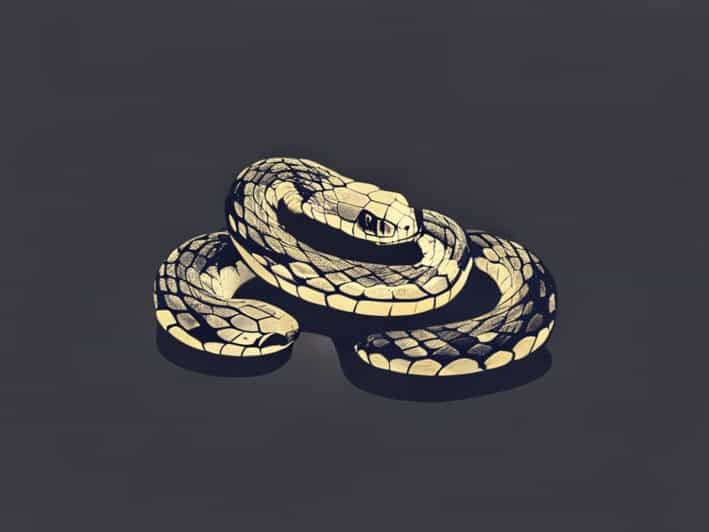
The dusky pygmy rattlesnake is one of the smallest and most fascinating venomous snakes in North America. Known for its modest size yet potent venom, this species inhabits a variety of habitats across the southeastern United States. Despite its small stature, the dusky pygmy rattlesnake plays a vital role in controlling populations of small mammals, amphibians, and insects. Its elusive nature, cryptic coloration, and secretive behavior make it a challenge for researchers and enthusiasts to study, but understanding its habits and ecology is essential for conservation and public awareness. This topic provides an in-depth look at the dusky pygmy rattlesnake, covering its identification, habitat, behavior, diet, reproduction, and conservation status.
Identification and Physical Characteristics
The dusky pygmy rattlesnake (Sistrurus miliarius barbouri) is distinguished by its small size, typically ranging from 12 to 20 inches in length. Its body is stout and covered with keeled scales, giving it a rough texture. The coloration of this rattlesnake is highly variable but generally includes shades of gray, brown, or reddish tones with darker blotches or crossbands along the back. A key identifying feature is its tiny, functional rattle, which produces a subtle buzzing sound rather than the loud rattling associated with larger rattlesnakes. The head is broad and triangular, and the eyes feature vertical, elliptical pupils, a common trait of venomous snakes.
Sexual Dimorphism
Males and females of the species are similar in appearance, but males are often slightly longer and more slender, while females have a bulkier body, especially during the breeding season. Understanding these subtle differences is useful for researchers monitoring population dynamics and reproductive health in the wild.
Habitat and Distribution
The dusky pygmy rattlesnake is primarily found in the southeastern United States, including states such as Florida, Georgia, Alabama, and the Carolinas. It prefers habitats with ample cover and moderate humidity, such as pine flatwoods, hardwood forests, wetlands, and scrublands. These snakes often seek shelter under leaf litter, logs, or rocks, which helps them avoid predators and extreme temperatures. They are also known to inhabit areas near swamps, marshes, and seasonal wetlands, where prey availability is high.
Microhabitat Preferences
This species shows a strong preference for areas with dense ground cover, which provides both camouflage and protection. The presence of small mammal burrows and fallen logs is particularly important, as these structures serve as hunting grounds and shelters. By selecting microhabitats carefully, the dusky pygmy rattlesnake reduces exposure to predators and increases hunting efficiency.
Behavior and Activity Patterns
The dusky pygmy rattlesnake is primarily a terrestrial species, although it can occasionally climb low vegetation. It is known for being secretive and elusive, often remaining motionless to avoid detection. These snakes are more active during warmer months, with peak activity in spring and early summer. They are most active during early morning and late afternoon, although in hot climates, they may adopt crepuscular or nocturnal habits to avoid excessive heat.
Defensive Behavior
When threatened, the dusky pygmy rattlesnake relies on camouflage to avoid detection. If approached too closely, it may coil, vibrate its rattle, and strike in defense. Despite its small size, the venom is potent and capable of causing significant localized effects in humans, though fatalities are extremely rare. Bites usually occur when the snake is accidentally stepped on or handled improperly.
Diet and Hunting
The dusky pygmy rattlesnake primarily feeds on small vertebrates, including lizards, frogs, insects, and small rodents. It is an ambush predator, relying on stealth and camouflage to capture prey. The snake strikes quickly, injecting venom that immobilizes the prey, which is then swallowed whole. Its diet can vary based on habitat and prey availability, and juveniles often consume smaller prey such as insects and amphibians before progressing to larger animals.
Venom and Predatory Adaptations
The venom of the dusky pygmy rattlesnake is hemotoxic, affecting the blood and tissues of its prey. This adaptation allows the snake to subdue prey quickly and begin digestion efficiently. While venom plays a critical role in hunting, it also serves as a defense mechanism against predators, signaling potential danger to larger animals.
Reproduction and Lifespan
The dusky pygmy rattlesnake is ovoviviparous, meaning that females give birth to live young rather than laying eggs. Mating typically occurs in spring, and females give birth to litters ranging from 3 to 10 offspring in late summer. Neonates are fully independent at birth, equipped with venom and the ability to hunt small prey immediately. Lifespan in the wild is generally 8 to 12 years, depending on predation, habitat quality, and environmental conditions.
Breeding Behavior
Males engage in combat rituals during the breeding season, intertwining their bodies in a test of strength to gain access to receptive females. Courtship involves tactile and chemical communication, and successful mating ensures genetic diversity within local populations. Female dusky pygmy rattlesnakes often invest heavily in offspring survival by selecting safe birthing sites and providing protection from predators.
Conservation Status
The dusky pygmy rattlesnake is not currently listed as endangered, but habitat destruction, urban development, and road mortality pose threats to local populations. Conservation efforts focus on preserving natural habitats, mitigating human-wildlife conflict, and educating the public about the ecological importance of these snakes. Due to their small size and elusive behavior, populations may be underestimated, highlighting the need for continued research and monitoring.
Human Interaction
Encounters with humans are relatively rare due to the snake’s secretive nature. Education is crucial to prevent unnecessary killing of these snakes, as many people fear venomous snakes without understanding their ecological role. Promoting awareness about the dusky pygmy rattlesnake’s behavior, venom potency, and contribution to ecosystem balance helps reduce human-wildlife conflict.
Ecological Importance
As a predator of small mammals and amphibians, the dusky pygmy rattlesnake helps control populations that could otherwise become overabundant and disrupt ecosystem balance. It serves as both a predator and prey, supporting a complex food web. Protecting this species contributes to the overall health of southeastern U.S. ecosystems and biodiversity.
Interesting Facts
- Despite being a rattlesnake, its rattle is very small and often barely audible.
- It is one of the smallest venomous snakes in North America.
- The species is highly cryptic and relies on camouflage to avoid predators.
- Its venom is hemotoxic, effective for hunting but rarely fatal to humans.
- It gives birth to live young rather than laying eggs.
The dusky pygmy rattlesnake is a remarkable species that embodies the balance of danger, beauty, and ecological significance. Though small in size, it plays a crucial role in its environment, controlling prey populations and supporting ecosystem health. Understanding its habitat preferences, behavior, and reproductive strategies is essential for conservation and coexistence with humans. By appreciating and protecting the dusky pygmy rattlesnake, we ensure the preservation of a vital component of southeastern U.S. wildlife, highlighting the importance of every species, no matter how small, in maintaining ecological balance.