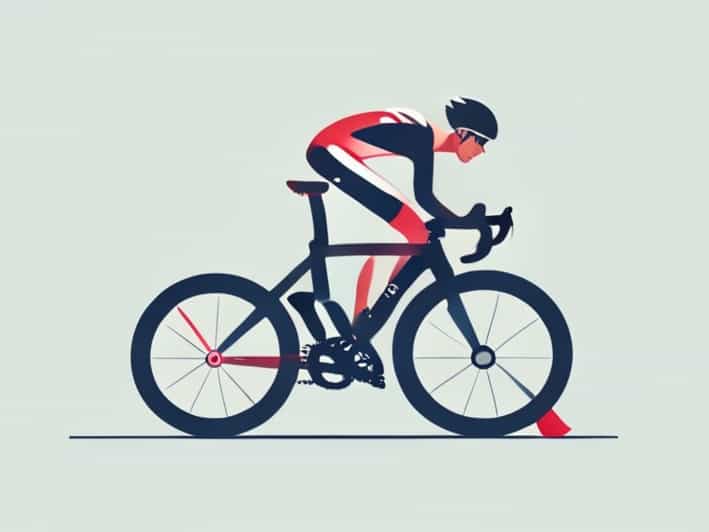
The world of cycling is filled with incredible athletes who push the limits of speed, endurance, and human potential. Among them, the title of the fastest cyclist in the world is reserved for those who have achieved remarkable feats on two wheels, whether in controlled track environments or on open roads. Speed in cycling is influenced by numerous factors, including aerodynamics, strength, technique, and equipment. Over the years, record-breaking cyclists have stunned audiences with their performances, breaking barriers once thought impossible. Understanding who holds this title, the types of speed records, and the methods used to achieve them provides insight into the dedication, skill, and innovation that define the sport of cycling.
Who Is the Fastest Cyclist?
The fastest cyclist in the world is often identified through various official records, including the top speed achieved on a flat surface, in a downhill sprint, or in a paced event such as motor-paced cycling. One of the most recognized records is the flying start speed, where a cyclist is assisted to reach maximum velocity. Historically, cyclists like Denise Mueller-Korenek and Fred Rompelberg have held notable speed records, demonstrating the extreme limits of human performance on a bicycle.
Denise Mueller-Korenek
Denise Mueller-Korenek is a prominent name in cycling history as she holds the record for the fastest speed ever achieved by a human on a bicycle. In 2018, she reached an astonishing speed of 183.932 mph (296.010 km/h) on the Bonneville Salt Flats in Utah, United States. This record was achieved under highly controlled conditions using a specially designed bicycle and drafting behind a high-speed vehicle to reduce air resistance. Mueller-Korenek’s achievement showcases the combination of human endurance, precision engineering, and strategic pacing required to reach such extraordinary speeds.
Fred Rompelberg
Before Mueller-Korenek, Fred Rompelberg, a Dutch cyclist, held the world speed record for cycling. In 1995, Rompelberg reached 167 mph (268 km/h) while drafting behind a motor vehicle on the Bonneville Salt Flats. His record stood for over two decades and highlighted the technical and physical demands of high-speed cycling, including the need for a specialized bike, protective gear, and a perfectly smooth surface.
Factors Affecting Cycling Speed
The speed a cyclist can achieve depends on multiple factors. These include physical strength, aerodynamics, bike technology, and environmental conditions. Elite cyclists train extensively to maximize their power output and efficiency, while engineers continuously innovate to reduce drag and enhance stability at high speeds. Additionally, terrain and weather conditions play a significant role, as flat surfaces, smooth tracks, and favorable wind conditions can help cyclists achieve record-breaking speeds.
Physical Strength and Training
- Muscular power and endurance are crucial for generating high speed over sustained periods.
- Specialized training programs focus on sprinting ability, leg strength, and cardiovascular fitness.
- Recovery and nutrition are essential to maintain peak performance during record attempts.
Aerodynamics and Technique
- Riders adopt a low, streamlined position to minimize air resistance.
- Drafting behind a vehicle or another cyclist reduces drag and allows higher speeds.
- Pedaling efficiency and body positioning are optimized through biomechanical analysis.
Equipment and Technology
- Specialized bicycles are designed for speed, with aerodynamic frames, disc wheels, and lightweight materials.
- Protective gear such as helmets and skinsuits enhance safety and reduce drag.
- Advanced engineering ensures stability at extremely high velocities.
Types of Cycling Speed Records
Cycling records are categorized based on conditions and methods, including flat-ground sprinting, downhill speeds, and paced records behind vehicles. Each category has its own challenges and requires unique preparation and techniques. For instance, track cycling records focus on maintaining high speeds in a controlled environment, while downhill or road speed records must account for terrain, wind, and safety.
Flat-Ground Speed
Flat-ground speed records are achieved on level surfaces where cyclists generate maximum power without relying on gravity. These attempts often involve drafting behind a vehicle to minimize air resistance. Denise Mueller-Korenek’s 183.932 mph record is an example of a flat-ground speed achievement using motor pacing.
Downhill Speed
Downhill cycling allows riders to reach extraordinary velocities due to gravity-assisted acceleration. Professional downhill cyclists have reached speeds exceeding 80 mph (128 km/h) on mountain courses. Safety equipment and precise control are essential in these attempts to prevent accidents at such high speeds.
Track Cycling Records
Track cycling involves controlled environments with banked velodromes. Riders compete in time trials or sprint events, achieving high speeds over short distances. Track records emphasize consistent pedaling, aerodynamics, and teamwork in paced events.
Training Regimens of Speed Cyclists
Elite cyclists aiming for speed records follow rigorous training schedules that balance strength, endurance, and technique. This includes interval training, resistance workouts, and simulation of racing conditions. Mental preparation is also critical, as cyclists must maintain focus and composure under extreme physical and psychological pressure. Nutrition, recovery, and sports science play significant roles in ensuring that cyclists can perform at their peak during record attempts.
Key Components of Training
- Strength training to build leg muscles and core stability.
- Cardiovascular conditioning to improve oxygen delivery and endurance.
- Technical drills to optimize pedaling efficiency and aerodynamics.
- Mental preparation to handle stress, fear, and focus during high-speed runs.
Legacy and Influence of Fastest Cyclists
The achievements of the fastest cyclists inspire athletes, engineers, and enthusiasts worldwide. Their records push the boundaries of what is physically and technically possible, driving innovation in bicycle design, safety gear, and training methods. These cyclists also highlight the importance of perseverance, precision, and courage, serving as role models for aspiring athletes across various sports disciplines.
Impact on Cycling and Sports
- Encourages technological innovation in bicycles and safety equipment.
- Inspires a new generation of cyclists to pursue speed records.
- Promotes awareness of the importance of training, nutrition, and mental preparation.
- Demonstrates the extreme capabilities of human performance.
The fastest cyclist in the world represents the pinnacle of speed, skill, and determination in the sport of cycling. Records set by athletes like Denise Mueller-Korenek and Fred Rompelberg showcase the extraordinary limits of human potential when combined with advanced technology and careful preparation. Achieving such speeds requires rigorous training, precise technique, and innovative equipment. These athletes not only break records but also inspire others to push boundaries and explore the full capabilities of the human body. As cycling continues to evolve, the pursuit of speed remains a symbol of dedication, courage, and the relentless quest for excellence.