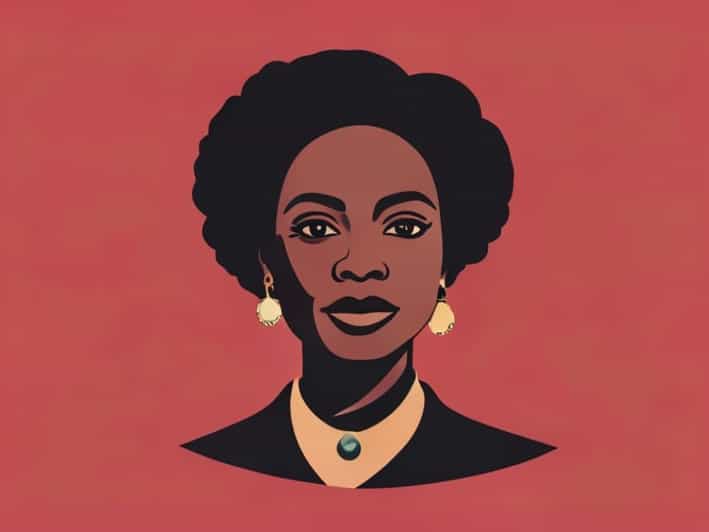
The election of the first Black congresswoman in the United States marked a historic milestone in American politics and civil rights. It was a moment that not only broke long-standing racial and gender barriers but also inspired generations of African Americans and women to engage in political leadership and public service. Her journey into Congress was emblematic of resilience, determination, and the broader struggle for equality and representation in a political system historically dominated by white men. Understanding the life, achievements, and significance of the first Black congresswoman provides insight into the evolution of American democracy, civil rights progress, and the continuing challenges of representation.
Who Was the First Black Congresswoman?
The first Black congresswoman in the United States was Shirley Chisholm. Born on November 30, 1924, in Brooklyn, New York, Chisholm became a pioneering figure in American politics. She was elected to the House of Representatives in 1968, representing New York’s 12th Congressional District. Her election was not only significant because of her race but also because she challenged gender norms, becoming a symbol of hope for women and minorities aspiring to leadership positions in government.
Early Life and Education
Shirley Chisholm was born to immigrant parents; her father was from Guyana, and her mother from Barbados. She grew up in a working-class neighborhood of Brooklyn, where she experienced firsthand the challenges of racial discrimination and economic inequality. Chisholm excelled academically and pursued higher education at Brooklyn College, earning a degree in sociology. She later earned a master’s degree from Columbia University. Her early experiences shaped her commitment to social justice, education, and community service, which became central themes in her political career.
Political Career and Achievements
Shirley Chisholm’s political career began in the New York State Assembly, where she served from 1965 to 1968. During her time in the State Assembly, she advocated for education reform, child welfare, and employment opportunities for women and minorities. Her dedication and visibility in the community helped her gain recognition as a progressive leader ready to challenge the status quo.
Election to Congress
In 1968, Shirley Chisholm made history by winning a seat in the U.S. House of Representatives. Her campaign emphasized the importance of equality, justice, and opportunity for all Americans. She became the first African American woman elected to Congress, breaking barriers that had existed since the founding of the nation. Her victory was a testament to her strategic political skills, community support, and the growing movement for civil rights across the country.
Legislative Focus
Once in Congress, Chisholm focused on issues affecting marginalized communities. She championed education, social welfare, and healthcare initiatives. She also advocated for gender equality, including workplace protections and support for women’s rights. Throughout her tenure, Chisholm worked tirelessly to amplify the voices of the underrepresented, demonstrating that political leadership should reflect the diversity of the American populace.
Presidential Campaign
Shirley Chisholm’s ambition and courage extended beyond Congress. In 1972, she made history again by becoming the first African American woman to seek the nomination for President of the United States from a major political party. Her campaign slogan, Unbought and Unbossed, emphasized her independence, integrity, and commitment to serving the people rather than political interests. While she did not win the nomination, her campaign broke new ground, inspiring future generations of women and minorities to pursue the highest offices in the nation.
Impact of Her Presidential Run
- Chisholm’s candidacy challenged traditional power structures in American politics.
- She highlighted the importance of diversity and inclusion in political leadership.
- Her campaign inspired increased political engagement among women and African Americans.
- She paved the way for future candidates of color and female presidential contenders.
Legacy and Influence
Shirley Chisholm’s legacy extends far beyond her electoral victories. She remains a symbol of perseverance, courage, and the ongoing struggle for equality in the United States. Her work in Congress set the stage for subsequent generations of African American and female legislators who continue to fight for civil rights, social justice, and political representation. Chisholm also influenced education and public policy, demonstrating that inclusive leadership strengthens democracy.
Honors and Recognition
- Chisholm was posthumously awarded the Presidential Medal of Freedom in recognition of her contributions to American society.
- Educational institutions and community centers have been named in her honor to inspire future leaders.
- Her life and work are frequently studied in courses on political science, African American history, and women’s studies.
- Books, documentaries, and films celebrate her achievements and legacy.
Lessons from Shirley Chisholm
The story of the first Black congresswoman provides important lessons about courage, leadership, and social change. Chisholm demonstrated that breaking barriers requires persistence, integrity, and a commitment to serving others. She emphasized that leadership is not solely about holding office but about using one’s position to advocate for justice and equality. Her life reminds us that meaningful political change is possible when individuals challenge systemic obstacles and inspire collective action.
Key Takeaways
- Representation matters Diverse voices in government lead to more inclusive policies.
- Courage and persistence can overcome social and institutional barriers.
- Advocacy for marginalized communities strengthens democracy.
- Political leadership requires integrity, independence, and a focus on public service.
The election of Shirley Chisholm as the first Black congresswoman in the United States was a watershed moment in American history. Her achievements in Congress, her groundbreaking presidential campaign, and her lifelong advocacy for equality and justice set a precedent for future generations of leaders. Chisholm’s story is not only a testament to her personal courage and vision but also a reflection of the ongoing struggle for representation and civil rights in America. Understanding her contributions helps us appreciate the importance of inclusive leadership, the power of perseverance, and the value of diversity in shaping a just and equitable society. Her legacy continues to inspire new generations to pursue public service, challenge systemic barriers, and work toward a more inclusive democracy for all.